Exploring Istanbul Traditional Crafts: A Glimpse into Vanishing Trades in 2026
In the bustling metropolis of Istanbul, a cultural tapestry woven over centuries is slowly, yet steadily, evolving. Amidst the modern skyscrapers and vibrant street life, the echoes of Istanbul traditional crafts whisper tales of a bygone era. These ancestral skills, once integral to daily life and commerce, now face the challenge of preservation in 2026. This article delves into the heart of Istanbul's artisanal traditions, documenting the resilience and beauty of these vanishing trades.
The Enduring Legacy of Istanbul Traditional Crafts
The history of Istanbul is inextricably linked with its artistic output. From the intricate calligraphy of the Ottoman Empire to the vibrant patterns of ceramic art, Istanbul traditional crafts have always reflected the city's diverse cultural influences and its status as a historical crossroad. Many of these crafts, passed down through generations, embody a profound understanding of materials and techniques.
Each craft tells a story, revealing insights into the social, economic, and religious life of Istanbul's past. Today, artisans continue to practice these trades, even as they contend with changing consumer preferences and the pressures of globalization. Their dedication ensures that a vital part of Istanbul's heritage remains alive, much like the commitment to preserving traditional Turkish storytelling and performance arts.
Calligraphy: The Art of Beautiful Writing
Known as "hüsn-i hat" in Turkish, Islamic calligraphy is more than just writing; it's a revered art form in Istanbul. Masters of this craft meticulously shape Arabic script into breathtaking designs, often adorning mosques, books, and even modern art pieces. The discipline and precision required for calligraphy are immense.
- Arabic script mastery
- Traditional ink and paper
- Deep spiritual connection
Ebru: The Dance of Colors on Water
Ebru, or paper marbling, is a mesmerizing art form where dyes are sprinkled and manipulated on a viscous solution, then transferred to paper. Each piece is unique, a spontaneous burst of color and pattern. This ancient art requires a delicate touch and an intuitive understanding of color and flow.
In 2026, a few dedicated artisans continue to practice Ebru, preserving its unique beauty and techniques. They often showcase their work in small galleries and workshops across Istanbul.
Guardians of Istanbul Traditional Crafts: Meet the Artisans
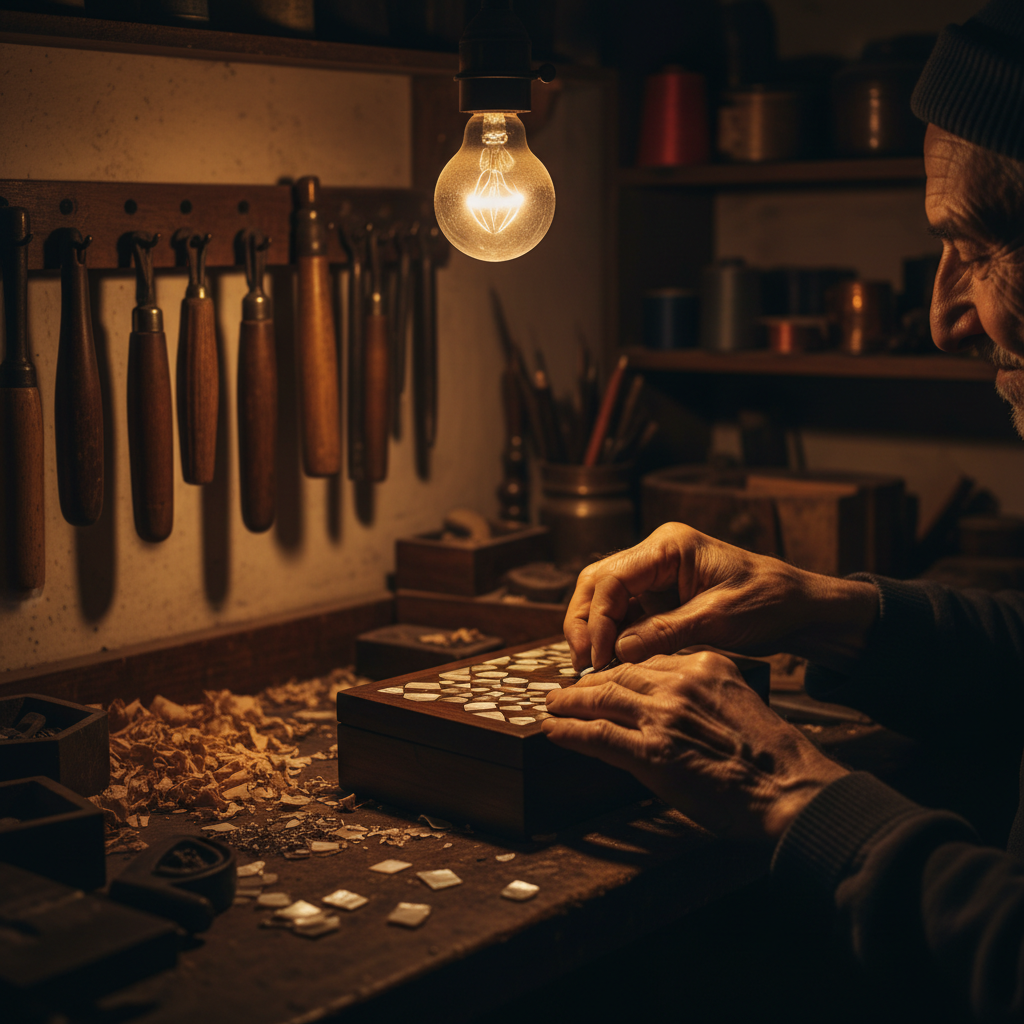
The survival of Istanbul traditional crafts rests squarely on the shoulders of its dedicated artisans. These men and women are not just craftspeople; they are living repositories of knowledge, skill, and cultural memory. Many started their apprenticeships as children, learning directly from family members or established masters.
Their workshops, often tucked away in less-traveled alleys or historical bazaars, are sanctuaries where time seems to slow down. Here, the rhythmic sounds of tools and the scent of raw materials create an atmosphere steeped in tradition. They meticulously create pieces that reflect centuries of artistic evolution.
Master Coppersmiths and Their Enduring Legacy
The clang of hammers on copper can still be heard in some parts of Istanbul, particularly in areas like Tahtakale. Coppersmiths, using age-old techniques, transform sheets of copper into exquisite pots, trays, and decorative items. These functional artworks are renowned for their durability and aesthetic appeal.
The process involves annealing, hammering, shaping, and intricate engraving. Each piece is a testament to the artisan's skill and patience.
The Skill of Traditional Textile Weavers
Turkish textiles are famous worldwide for their rich patterns and high quality. Traditional weaving, particularly of carpets (halı) and kilims, remains a significant craft. Artisans use hand-looms to create intricate designs using natural dyes and high-quality wool or silk.
The motifs often carry symbolic meanings, reflecting regional heritage and cultural beliefs. Keeping this tradition alive in 2026 is crucial for preserving a significant aspect of Turkish culture, much like the efforts to maintain Istanbul's traditional musical heritage.
Challenges and Opportunities for Istanbul Traditional Crafts in 2026
Despite their cultural significance, Istanbul traditional crafts face numerous challenges in the modern era. Globalization, mass production, and changing consumer demands pose significant threats. The younger generation often finds modern careers more appealing, leading to a decline in apprentices and new masters.
Government initiatives and non-governmental organizations are working to support these artisans. Efforts include providing training, marketing assistance, and creating platforms for craftspeople to showcase their work to a wider audience, including tourists.
Economic Pressures and Modern Markets
The cost of raw materials and the time-intensive nature of traditional crafts often make them more expensive than mass-produced alternatives. Artisans struggle to compete on price, leading to a diminished customer base. Marketing strategies need to highlight the unique value of handmade goods.
Online platforms and social media offer new avenues for artisans to reach global consumers directly, bypassing traditional retail intermediaries. For instance, platforms like Etsy's Turkish Artisan market provide vital exposure.
Succession Crisis and Knowledge Transfer
One of the most pressing issues is the lack of new apprentices. As master artisans age, there are fewer young people willing to commit to the long and often arduous journey of learning a traditional craft. This threatens the continuity of vital knowledge and skills.
Workshops and educational programs are essential for inspiring the next generation to take an interest in and pursue careers in traditional craftsmanship. Institutes like UNESCO also champion the preservation of intangible cultural heritage.
Preserving and Promoting Istanbul Traditional Crafts for Future Generations
The concerted efforts of various stakeholders are vital for the long-term survival of Istanbul traditional crafts. Tourists play an important role by seeking out authentic handmade products and visiting artisan workshops. This direct engagement provides economic support and encourages artisans to continue their work.
Cultural institutions are also stepping up, organizing exhibitions, workshops, and educational programs to raise awareness and appreciation for these invaluable crafts. Documenting the lives and techniques of these artisans is crucial for historical records.
Cultural Tourism and Artisan Workshops
Integrate visits to artisan workshops into tourism itineraries. This not only offers a unique cultural experience for visitors but also provides a direct source of income for craftspeople. Demonstrations and interactive sessions can enhance the visitor experience significantly.
Many tour operators in 2026 are adding artisan visits as a key feature of their cultural offerings in Istanbul, promoting local heritage, and offering a different perspective from typical Istanbul hidden gems tours.
Digital Archiving and Online Presence
Creating digital archives of traditional crafts, including videos of techniques and interviews with artisans, is crucial. An online presence allows these crafts to reach a global audience, fostering appreciation and potential sales. E-commerce platforms specifically for handmade goods are also gaining traction.
This digital strategy helps to bridge the gap between ancient traditions and modern technological advancements. It makes Istanbul traditional crafts accessible to enthusiasts worldwide. The Turkish Ministry of Culture and Tourism also plays a role in promoting these crafts.
Conclusion: The Future of Istanbul Traditional Crafts
As Istanbul continues its relentless march towards the future in 2026, the preservation of its traditional crafts remains a critical endeavor. These crafts are not merely objects; they are living expressions of the city's soul, history, and cultural identity. By supporting artisans, engaging with traditional techniques, and promoting their work, we ensure that the vibrant legacy of Istanbul traditional crafts continues to enrich the world for generations to come. Their beauty and stories deserve to be remembered, cherished, and passed on.