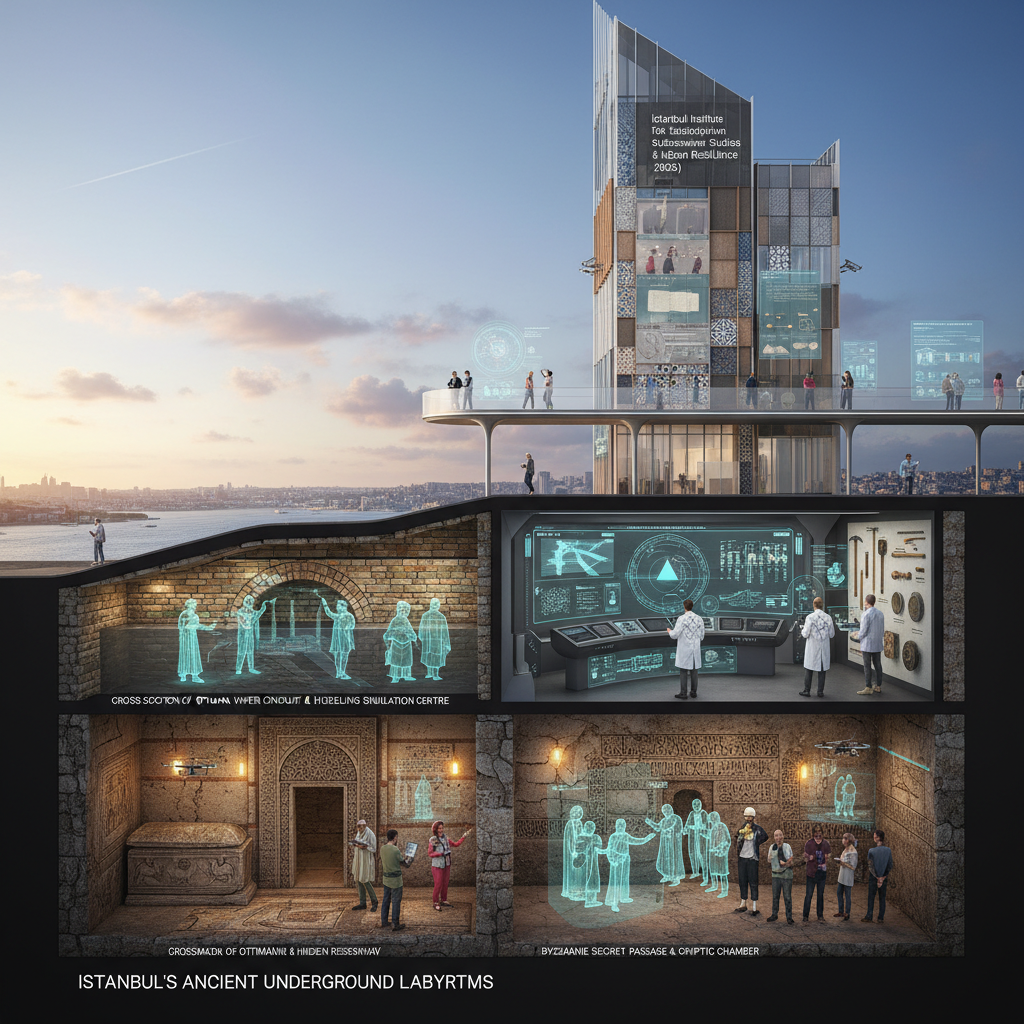
Istanbul Underground Secrets: Decoding Forgotten Tunnels & Subterranean Narratives in 2026
Beneath the bustling streets of Istanbul lies a world largely hidden from plain sight, a fascinating network of tunnels, cisterns, and forgotten chambers. Exploring these Istanbul underground secrets offers a unique perspective on the city's layered history, revealing tales of empires, survival, and engineering marvels. As we delve into 2026, the allure of these subterranean narratives continues to captivate historians and travelers alike, promising an unparalleled adventure into the past.
Delving into these depths provides an echo of the past, much like Istanbul's Ancient Acoustics: Unearthing Forgotten Sounds & Sonic Landscapes in 2026, where the city's lost auditory heritage comes alive.
Unearthing the Depths: The Origin of Istanbul Underground Secrets
The origins of Istanbul's underground structures can be traced back millennia, primarily driven by strategic needs and resource management. From Roman Byzantium to the Ottoman Empire, each civilization left indelible marks beneath the surface. These subterranean constructions served various purposes, from water storage to defense, and even as secret passages during times of war. Discovering these Istanbul underground secrets provides invaluable insights into the city's resilience.
Understanding the motivations behind their creation is key to appreciating their significance. The sheer scale and complexity of these hidden spaces speak volumes about the ingenuity of ancient engineers. Many of these structures remain remarkably well-preserved even today, offering a tangible link to bygone eras, much like the enduring mystery of Istanbul's Ancient Palimpsest: Unearthing Layers of Forgotten Cities Beneath the Modern Metropolis in 2026.
Byzantine Engineering Feats Below Ground
- The Byzantines were master builders, and their prowess extended deep beneath the city.
- Their primary focus was often water management, crucial for a large imperial capital.
- Many of the grandest cisterns are testaments to their advanced hydrological knowledge.
Ottoman Additions and Adaptations
The arrival of the Ottomans brought new architectural styles and continued the tradition of subterranean expansion. While some Byzantine structures were repurposed, new underground networks were also developed. These often served practical functions, such as supplying water to mosques and palaces, or providing secure storage.
The Ottomans respected the ingenuity of their predecessors, often integrating existing systems into their own infrastructure. This layering of history is one of the most compelling aspects of Istanbul's underground.
The Byzantine Cisterns: Watery Worlds and Istanbul Underground Secrets
Perhaps the most famous of Istanbul's subterranean wonders are its ancient cisterns. These vast, cavernous spaces were built to store water, providing a reliable supply for the city's inhabitants. The most renowned, the Basilica Cistern (Yerebatan Sarnıcı), is a breathtaking example of Byzantine engineering and an undeniable highlight of the Istanbul underground secrets.
Visiting these cisterns offers a truly ethereal experience, with their towering columns, reflective waters, and subdued lighting. They transport you to a different time, away from the modern hustle and bustle above ground. Many smaller, lesser-known cisterns also exist, each with its own story to tell, adding to the intrigue of Istanbul's underground.
The Basilica Cistern: Jewel of the Underworld
The Basilica Cistern, constructed in the 6th century, is an architectural marvel. Its 336 marble columns, reaching up to 9 meters in height, create a forest-like atmosphere. The famous Medusa heads, inverted and sideways, add an enigmatic touch, sparking countless legends among visitors.
Recent renovations in the 2020s have further enhanced the visitor experience, making it more accessible and visually stunning. It remains a must-see for anyone exploring Istanbul's hidden depths.
Binbirdirek Cistern: A Thousand and One Columns
Another impressive structure is the Binbirdirek Cistern, meaning "1001 Columns." While not actually containing 1001 columns, its 224 pillars still create an awe-inspiring space. This cistern predates the Basilica Cistern, reflecting an earlier period of Byzantine water management.
Unlike the Basilica Cistern, Binbirdirek often hosts cultural events and art exhibitions, offering a contemporary twist to its ancient charm. It's a fantastic example of adapting historical sites for modern use.
Beyond Cisterns: Other Fascinating Istanbul Underground Secrets
While cisterns dominate the narrative of Istanbul's underground, there are many other fascinating subterranean sites waiting to be explored. These include forgotten tunnels, secret passages under historical landmarks, and even parts of ancient sewerage systems. Each discovery adds another piece to the puzzle of Istanbul's complex past, revealing more Istanbul underground secrets.
Archaeological digs continue to unearth new sections of these buried networks, constantly expanding our understanding. These ongoing discoveries promise even more intriguing Istanbul underground secrets for future generations to uncover.
Hidden Paths beneath Topkapi Palace
Legend speaks of secret tunnels beneath Topkapi Palace, designed for royal escape or covert movements. While many remain unconfirmed or inaccessible, the idea itself fuels the city's mystique. These rumored passages are a testament to the strategic importance of secrecy in imperial life.
Historians continue to research and explore these possibilities, often finding remnants of older structures below the current palace grounds. The layers of history here are truly profound. For deeper insights into similar grand structures, explore Istanbul's Ancient Palaces: Beyond Topkapi, Unveiling Hidden Sanctuaries of Power & Prestige in 2026.
Ancient Aqueducts and Waterways
Beyond the cisterns, an extensive network of aqueducts transported water into the city, much of it subterranean. Sections of these ancient channels can still be found today, a testament to Roman and Byzantine engineering prowess. They are a critical part of understanding Istanbul's resilience.
These aqueducts were vital lifelines, ensuring the survival and prosperity of one of the world's greatest cities for centuries. Their remnants offer a glimpse into the sophisticated urban planning of the past.
Exploring Istanbul Underground Secrets Responsibly in 2026
As interest in Istanbul's subterranean world grows, responsible tourism becomes paramount. Many sites are protected heritage locations, requiring careful preservation and limited access. In 2026, tours are increasingly focusing on sustainable exploration, ensuring these historical treasures remain intact for future generations. Discovering Istanbul underground secrets should always be done with respect for their historical significance.
Always seek guided tours from reputable agencies when venturing into less-known underground areas. Not only will this ensure your safety, but it will also provide invaluable historical context from expert guides. For a broader understanding of responsible tourism and cultural immersion, you might find valuable resources from the UNESCO World Heritage Centre, which lists many of Istanbul's protected sites.
Tips for Subterranean Exploration
- Wear comfortable shoes: Surfaces can be uneven and wet.
- Bring a light jacket: Underground areas are often cooler than above ground.
- Respect the sites: Do not touch or disturb historical elements.
- Stay with your guide: Especially in less-lit or unfamiliar passages.
- Check accessibility: Some sites might have limited access for individuals with mobility challenges.
The Future of Istanbul Underground Secrets and Tourism
The fascination with Istanbul's subterranean world shows no signs of waning. As we move further into the 2020s, there's a growing emphasis on technological integration for documentation and enhanced visitor experiences. Virtual reality tours and interactive exhibits are becoming more common, allowing a deeper dive into these hidden histories even for those who cannot physically descend.
Archaeological teams, equipped with cutting-edge scanning technology, continue their work, promising further revelations beneath Istanbul. These ongoing efforts will undoubtedly bring more Istanbul underground secrets to light, enriching our understanding of this iconic city. For more on cutting-edge archaeological techniques, the Archaeological Institute of America offers excellent insights.
The journey into Istanbul's underground is more than just a historical exploration; it's an immersive experience that connects visitors directly to the city's ancient soul. It reminds us that beneath every modern metropolis lies a tapestry of forgotten stories, waiting patiently to be rediscovered. For an even broader look at the city's historical mapping and transformation over time, explore resources like the Library of Congress Map Collections.