Istanbul Ancient Street Sounds: Unearthing Lost Audio Landscapes & Modern Urban Rhythms
Step back in time and imagine the bustling soundscape of one of the world's most historic cities. This blog post delves into the fascinating world of Istanbul ancient street sounds, exploring the auditory tapestry that once defined this magnificent metropolis. From the calls of ancient vendors to the clatter of horse-drawn carriages, we'll journey through the echoes of the past and connect them to the vibrant urban rhythms of Istanbul in 2026. Understanding these lost soundscapes offers a unique perspective on daily life, commerce, and culture in eras long past.
The Echoes of Empire: Reconstructing Istanbul Ancient Street Sounds
To truly appreciate the present, one must understand the past. The sounds of ancient Istanbul were a symphony of diverse cultures and activities. Imagine the cacophony of the Grand Bazaar centuries ago, a stark contrast to its modern-day hum. These Istanbul ancient street sounds painted a vivid picture of daily life.
Historians and audiologists alike are making significant strides in reconstructing these auditory experiences. Through careful analysis of historical texts, travelogues, and even archaeological findings, we can begin to piece together the sonic environment that shaped Byzantine and Ottoman Istanbul. For more on how the city’s environment has changed, consider unearthing layers of forgotten cities beneath the modern metropolis.
Vendor Calls and Market Cries
One of the most defining characteristics of Istanbul ancient street sounds was undoubtedly the vibrant chorus of street vendors. Each peddler had their unique call, a melodic shout designed to attract customers to their wares. These calls were not merely functional; they were an integral part of the city's identity.
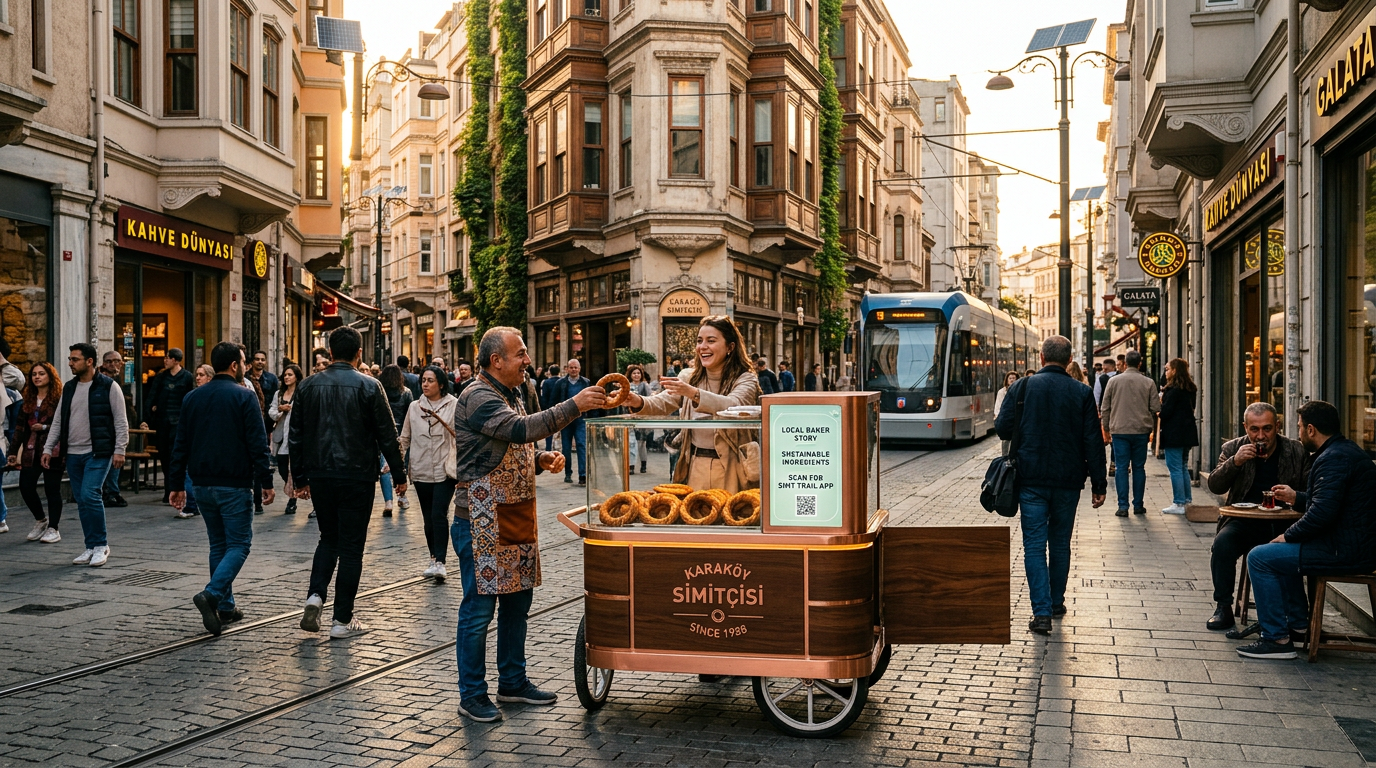
- Simit sellers: Their rhythmic cries, often accompanied by the clatter of their trays, announced fresh bread.
- Water sellers: The distinctive clang of their brass cups and their sonorous calls for "Su! Su!" (Water! Water!) were essential during hot days.
- Spice merchants: Though less audibly distinct, the chatter of bargaining and the rustle of sacks would have filled the air near spice stalls.
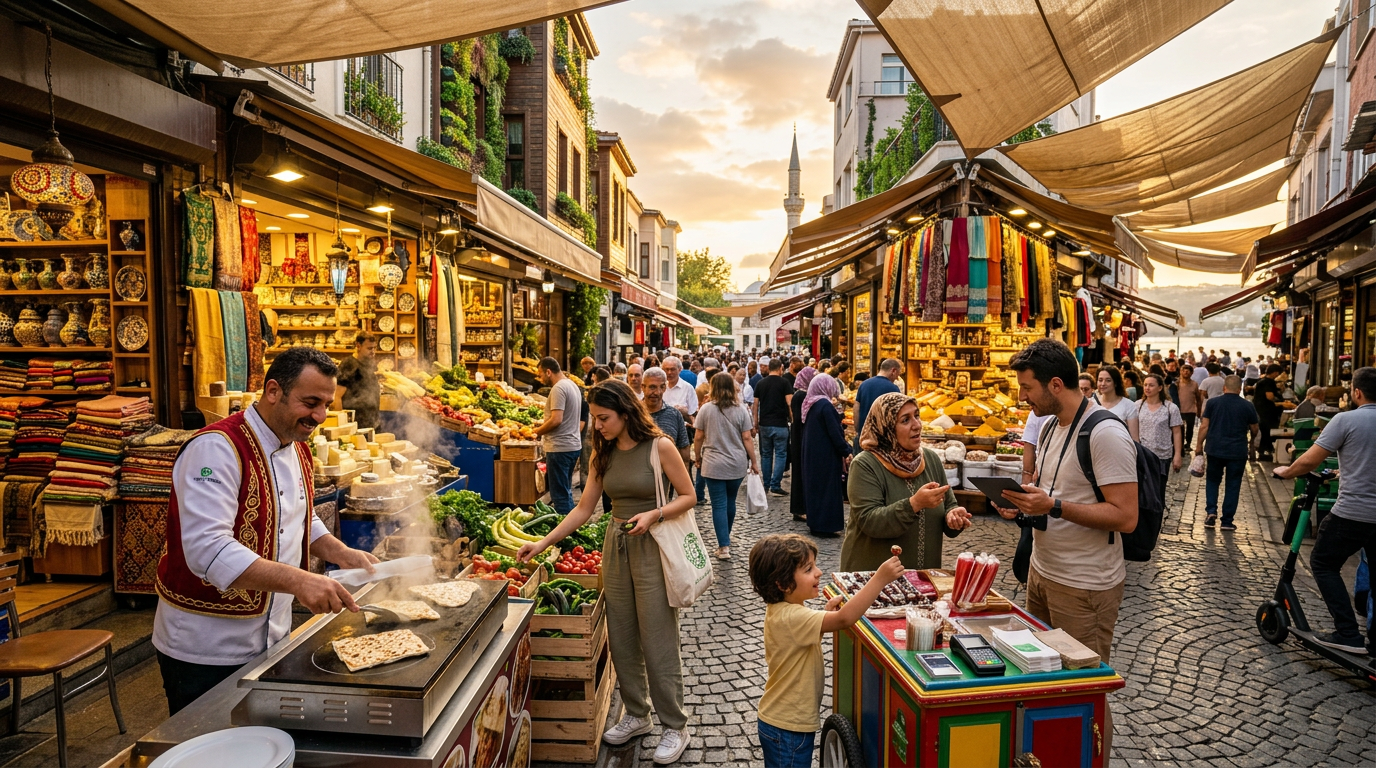
These sounds weren't just transactional; they were social cues, marking the time of day and the flow of city life. The absence of modern vehicle noise meant these human vocalizations carried much further, creating a densely layered sonic experience. You can still experience a version of this today in Istanbul's ancient markets and modern bazaars, where echoes of Istanbul ancient street sounds persist.
Transportation and Animal Sounds
Before the advent of motorized vehicles, transportation sounds were dramatically different. The clip-clop of horses and donkeys, the creak of wooden carts, and the occasional bray became key elements of Istanbul ancient street sounds.
Animals played a central role in urban life, from beasts of burden to stray cats and dogs. Their presence contributed significantly to the background noise, a constant, organic hum that is largely absent in many modern metropolises.
- The gentle jingle of bells on horses pulling carriages.
- The distinctive calls for animals being herded through city gates.
- The ever-present meows of Istanbul's beloved stray cats, a sound that has truly transcended centuries.
Architectural Acoustics and the Whispers of History
The very architecture of ancient Istanbul played a crucial role in shaping its soundscape. Narrow, winding streets, grand mosques, and bustling hammams each had their own acoustic properties, amplifying or dampening specific sounds. These architectural elements contributed significantly to the unique Istanbul ancient street sounds.
Consider the reverberating acoustics within a grand Byzantine basilica or an Ottoman mosque. The spoken word, the call to prayer, and the murmurs of congregants would have filled these spaces with a profound and resonant quality. The physics of sound, combined with human activity, created unique sonic identities for different parts of the city. You might also be interested in how Istanbul's ancient acoustics unveiled forgotten sounds and sonic landscapes.
The Call to Prayer (Adhan) Through the Ages
The Adhan, the Islamic call to prayer, has been a constant in Istanbul's soundscape for centuries. In ancient times, without loudspeakers, the muezzin's powerful voice would echo across neighborhoods, a truly human sound carrying the message.
While the method of amplification has changed over time, the inherent purpose and spiritual impact of the Adhan remain deeply rooted in the city's auditory identity. It serves as a powerful connection point between the past and the present, a timeless element of Istanbul ancient street sounds that continues to resonate today. Learn more about Istanbul's ancient bells and the call to prayer's evolution.
From Ancient Echoes to Modern Rhythms: Istanbul's 2026 Soundscape
Fast-forward to 2026, and Istanbul's soundscape is a captivating blend of its rich history and contemporary life. While the clatter of carts has largely been replaced by the hum of traffic, elements of the past persist, allowing glimpses of Istanbul ancient street sounds.
The call of the simit seller can still be heard, albeit sometimes through a speaker. The ferries still hoot on the Bosphorus, and the melodic Adhan continues to punctuate the day, radiating from countless minarets. Istanbul in 2026 is a city where tradition and modernity coexist, often in fascinating auditory harmony.
Preserving the Sonic Heritage of Istanbul
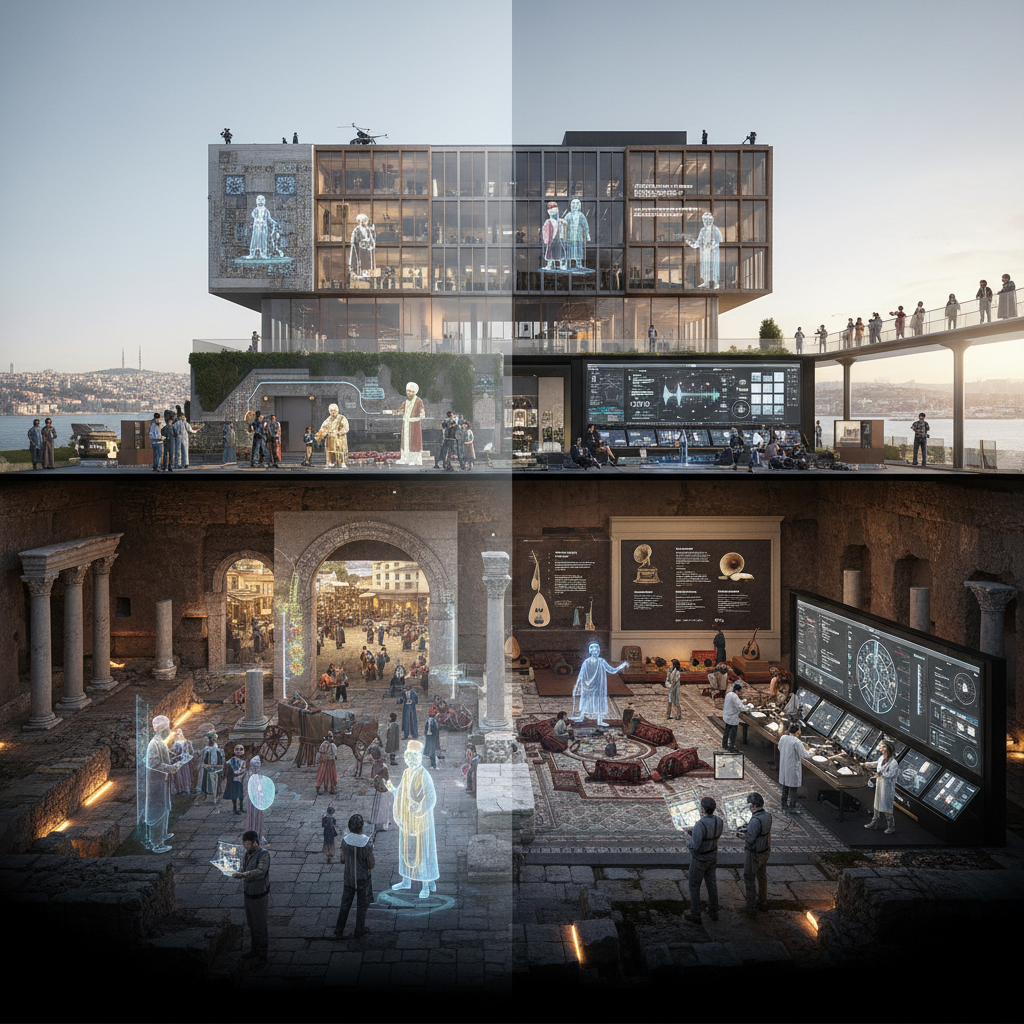
There's a growing interest in preserving and documenting the sonic heritage of cities like Istanbul. Researchers are using advanced recording techniques and historical data to create immersive sound installations and digital archives that allow people to experience these lost soundscapes. For instance, the British Museum has explored ancient soundscapes, offering insights into this emerging field.
Imagine visiting a museum dedicated to the Istanbul ancient street sounds, where you can walk through reconstructed environments and hear the city as it once was. This effort is crucial for understanding urban evolution and appreciating the sensory richness of historical life. Initiatives like the Soundscape of Byzantium project are actively working to digitally recreate the auditory past of this region.
Experiencing Istanbul's Auditory Journey Today
Even in 2026, you can still catch glimpses of Istanbul ancient street sounds. Wander through the back streets of the Grand Bazaar or the Spice Market early in the morning, and you might hear echoes of the past – the murmurs of merchants, the clinking of metal, the vibrant chatter of a living, breathing marketplace that has endured for centuries.
Take a ferry across the Bosphorus, and the unique blend of lapping waves, distant calls, and the drone of the city creates a sound tapestry that is both ancient and modern. Istanbul offers a truly multi-sensory experience, where the sounds tell stories of empires, trade, and countless generations who have called this incredible city home. Further research into urban sound studies, such as those presented by the Journal of Urban History, can provide deeper context on how city sounds evolve.
The Future of Istanbul Ancient Street Sounds in a Modern World
As Istanbul continues to evolve, the challenge lies in preserving its unique auditory heritage. Urban planners and cultural institutions are increasingly recognizing the importance of soundscapes in defining a city's character. Efforts to integrate historical sound elements into modern urban design can help maintain a connection to the past. The study of Istanbul ancient street sounds offers valuable insights for future city planning.
Conclusion: A Symphony Through Time
From the bustling markets of Byzantium to the vibrant streets of modern-day Istanbul, the city's soundscape is a living testament to its rich history. Exploring Istanbul ancient street sounds allows us to connect with the past on a deeply sensory level, offering a unique window into the lives of those who came before us. This auditory journey reminds us that a city's true essence is not just seen, but also heard.