Istanbul's Ancient Flavors: Unearthing Gastronomic Roots & Heritage Ingredients in 2026
Embark on a culinary journey through time as we delve into the rich tapestry of Istanbul ancient food history. This magnificent city, once Constantinople and Byzantium, has been a melting pot of cultures, empires, and, consequently, flavors for millennia. In 2026, understanding this profound gastronomic past offers not just a glimpse into history but also a deeper appreciation for the modern Turkish cuisine enjoyed by millions of visitors.
To fully grasp Istanbul's vibrant identity beyond its culinary wonders, explore Istanbul's Ancient Maps & Modern Cartography: Navigating the City's Evolving Identity in 2026.
Tracing the Roots: The Beginnings of Istanbul Ancient Food History
The story of Istanbul’s culinary heritage begins long before the Ottoman Empire. From its earliest days as Byzantium, the strategic location connecting Europe and Asia facilitated a constant exchange of goods, ideas, and, crucially, food traditions. The fertile lands surrounding the city and access to the bountiful Bosphorus and Marmara Sea provided an abundance of fresh ingredients.
Evidence suggests early inhabitants enjoyed a diet rich in grains, legumes, fish, and locally sourced vegetables. The influence of neighboring regions, particularly Greece and the Near East, began to shape the nascent culinary landscape. This foundation laid the groundwork for the more complex and refined cuisines that would follow.
Byzantine Bashes: Food in the Eastern Roman Empire
Under the Byzantine Empire, Constantinople became a center of gastronomy, rivaling even Rome in its opulence and sophistication. Imperial feasts were legendary, featuring exotic spices imported from distant lands, a wide array of meats, and elaborate desserts. The city’s markets teemed with produce from across the empire.
- Common Ingredients: Olive oil, wine, bread, cheese, fish, various meats (lamb, goat, chicken), and seasonal vegetables.
- Spices: Pepper, cinnamon, nutmeg, cloves, and saffron were highly valued commodities.
- Culinary Techniques: Roasting, stewing, baking, and the art of preserving foods were well-practiced.
The influence of Byzantine culinary practices can still be subtly observed in some traditional dishes, especially in the use of certain herbs and slow-cooking methods. The continuity of Istanbul ancient food history is remarkable.
The Ottoman Empire's Culinary Zenith and Istanbul Ancient Food History
When the Ottomans conquered Constantinople in 1453, they inherited a city with an already sophisticated palate. However, they elevated its cuisine to an entirely new level, synthesizing influences from Central Asia, the Middle East, and the Balkans into what became known as Ottoman Palace Cuisine. The Sultan’s kitchens, known as the Enderûn, were massive operations employing hundreds of chefs specializing in various dishes.
The sheer scale and diversity of dishes prepared for the imperial court were astounding. From delicate pastries to rich stews and elaborate pilafs, the aim was to create a harmonious balance of flavors and textures. This period is undeniably a golden age in the Istanbul ancient food history timeline.
The Palace Kitchens: A Culinary Ecosystem
The Topkapi Palace kitchens were not just places for cooking; they were grand institutions that fostered innovation and perfected culinary techniques. Each section had specialized chefs:
- Helvacılar (Confectioners): Masters of sweets, baklava, and halva.
- Aşçılar (Main Cooks): Responsible for meat dishes, stews, and pilafs.
- Börekçiler (Pastry Makers): Experts in various forms of börek (savory pastries).
- Şerbetçiler (Sherbet Makers): Crafted refreshing fruit drinks and sorbets.
Ingredients were sourced from all corners of the vast empire, ensuring an unparalleled variety. This meticulous approach to food preparation significantly shaped the culinary identity that endures to this day. For a glimpse into the imperial life that enjoyed such feasts, see Istanbul's Ancient Palaces & Hidden Harem Whispers: A Glimpse into Imperial Life, 2026.
Impact of Trade Routes on Ottoman Cuisine
Istanbul's position at the crossroads of major trade routes, including the Silk Road, brought a wealth of ingredients and culinary ideas to the city. Spices from India, rice from Persia, and coffee from Yemen all found their way into Ottoman kitchens, enriching the local diet and creating new culinary traditions. This constant influx of new elements is a defining characteristic of Istanbul ancient food history.
The bustling trade routes also shaped the city's economic landscape, as explored in Istanbul's Ancient 'Gates of Opportunity': Unveiling Historic Bazaars, Caravanserais & Modern Entrepreneurship in 2026.
Heritage Ingredients and Their Enduring Legacy in 2026
Many of the ingredients that formed the backbone of ancient Istanbul's diet are still central to modern Turkish cuisine. Understanding their origins and historical significance adds a flavorful layer to any meal enjoyed in Istanbul today. Several initiatives in 2026 are focusing on preserving and promoting these heritage ingredients.
From the robust olive oils produced in the Aegean region to the aromatic spices of Anatolia, these staples continue to define the taste of Turkey. The Bosphorus still provides fresh seafood, a legacy stretching back to Byzantium.
Key Heritage Ingredients from Istanbul's Ancient Food History
- Olives and Olive Oil: Cultivated since antiquity, a fundamental component of the Mediterranean diet and Turkish cuisine.
- Wheat: The basis for various breads, simit, börek, and pasta, a staple crop for thousands of years.
- Legumes: Lentils, chickpeas, and beans have provided essential protein throughout history.
- Yogurt: A Central Asian contribution adapted and perfected over centuries, used in countless dishes and as a beverage.
- Spices: Cumin, paprika, mint, and sumac – many of which traveled the Silk Road to Istanbul.
- Fish and Seafood: From the Bosphorus, Marmara, and Black Seas, a constant source of fresh protein.
The commitment to these heritage ingredients underscores a culinary philosophy deeply rooted in sustainability and tradition.
From Ancient Recipes to Modern Tables: The Evolution of Istanbul's Cuisine
While the lavish palace banquets of the Ottomans are largely history, their gastronomical principles and many specific dishes have seamlessly transitioned into contemporary Turkish cooking. What was once the exclusive domain of the elite is now accessible to everyone, albeit often in simpler forms.
Restaurants across Istanbul, from high-end establishments to humble eateries, often draw inspiration from this rich past. Modern chefs are reinterpreting old recipes, blending ancient techniques with contemporary flair, and proving that Istanbul ancient food history is not just a relic but a living, breathing tradition.
Iconic Dishes with Ancient Roots
- Kebabs: Evolved from Central Asian nomadic cooking, perfected in Anatolia and the Ottoman Empire.
- Mezes: Small plates, many with roots in Byzantine and Middle Eastern traditions, designed for sharing.
- Pilafs: Rice dishes, influenced by Persian cuisine, became an art form in Ottoman kitchens.
- Dolma and Sarma: Stuffed vegetables and vine leaves, a testament to efficiency and flavor, with a history spanning centuries.
- Baklava: A layered pastry with nuts and syrup, tracing its lineage back to Byzantine and Central Asian desserts.
These dishes are more than just food; they are edible narratives of Istanbul’s diverse cultural journey, connecting us directly to its vibrant past.
Experiencing Ancient Flavors in 2026 Istanbul
For visitors to Istanbul in 2026, exploring its ancient food history isn't confined to museums or history books; it’s an immersive experience. Numerous food tours, culinary workshops, and specialized restaurants are dedicated to showcasing the authenticity and depth of this heritage. From exploring the Spice Bazaar's enduring legacy to dining in establishments that revive Ottoman recipes, the past is palpable.
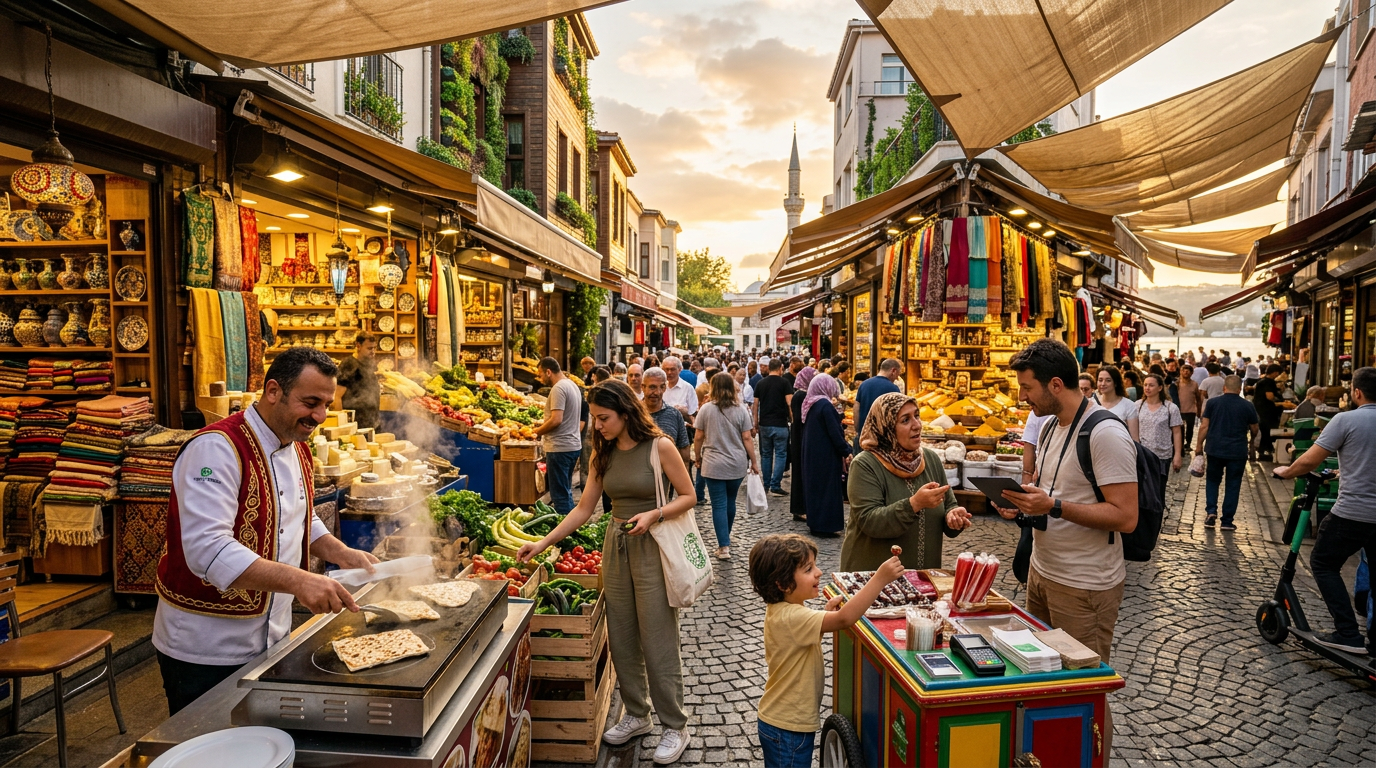
Even a simple stroll through a local market can reveal traces of ancient flavors, in the seasonal produce, the artisanal cheeses, and the traditional sweets. The enduring presence of these flavors is a powerful reminder of the city's continuous culinary evolution.
Engaging with the local food scene means engaging with history. Each bite offers a connection to the empires, trade routes, and countless generations of cooks who contributed to this extraordinary gastronomic legacy. For a deeper dive into the scientific and societal impact of food throughout history, you can explore resources like the Journal of Gastronomy and Culinary Science. The soul of Istanbul truly lies in its food. To learn more about the ongoing efforts to categorize and preserve cultural heritage in food, consider visiting the Slow Food Ark of Taste for global initiatives. Additionally, for a scientific perspective on the health benefits of spices often found in ancient cuisines, the National Library of Medicine offers valuable research.