Istanbul Underground Secrets: Unearthing the City's Subterranean Wonders
Step beneath the bustling streets of one of the world's most historic cities and discover the forgotten passages, ancient reservoirs, and hidden chambers that form the captivating Istanbul underground secrets. This ancient metropolis, layered with centuries of diverse civilizations, holds more than just visible monuments; a truly remarkable world awaits those curious enough to delve into its subterranean past. From Byzantine cisterns to rumored tunnels, Istanbul offers an unparalleled journey into its shadowy depths, revealing its many Istanbul underground secrets.
Exploring the Fascinating Istanbul Underground Secrets
Istanbul, formerly Constantinople, was a city built on strategic foundations, and many of these were below ground. The Romans and Byzantines were masters of hydraulic engineering and defensive architecture, leading to an extensive network of subterranean structures. These sites provide not just a glimpse but a profound understanding of the engineering prowess and daily life of past empires. For more hidden treasures, explore some of Istanbul's Hidden Gems: Beyond the Grand Bazaar & Blue Mosque. These Istanbul underground secrets are truly captivating.
The sheer scale of these underground constructions is astonishing. They served various purposes, from providing vital water supplies to offering refuge during sieges. Every tunnel and chamber tells a story of survival, innovation, and sometimes, mystery, making up the rich tapestry of Istanbul underground secrets.
The Jewel of the Deep: Basilica Cistern
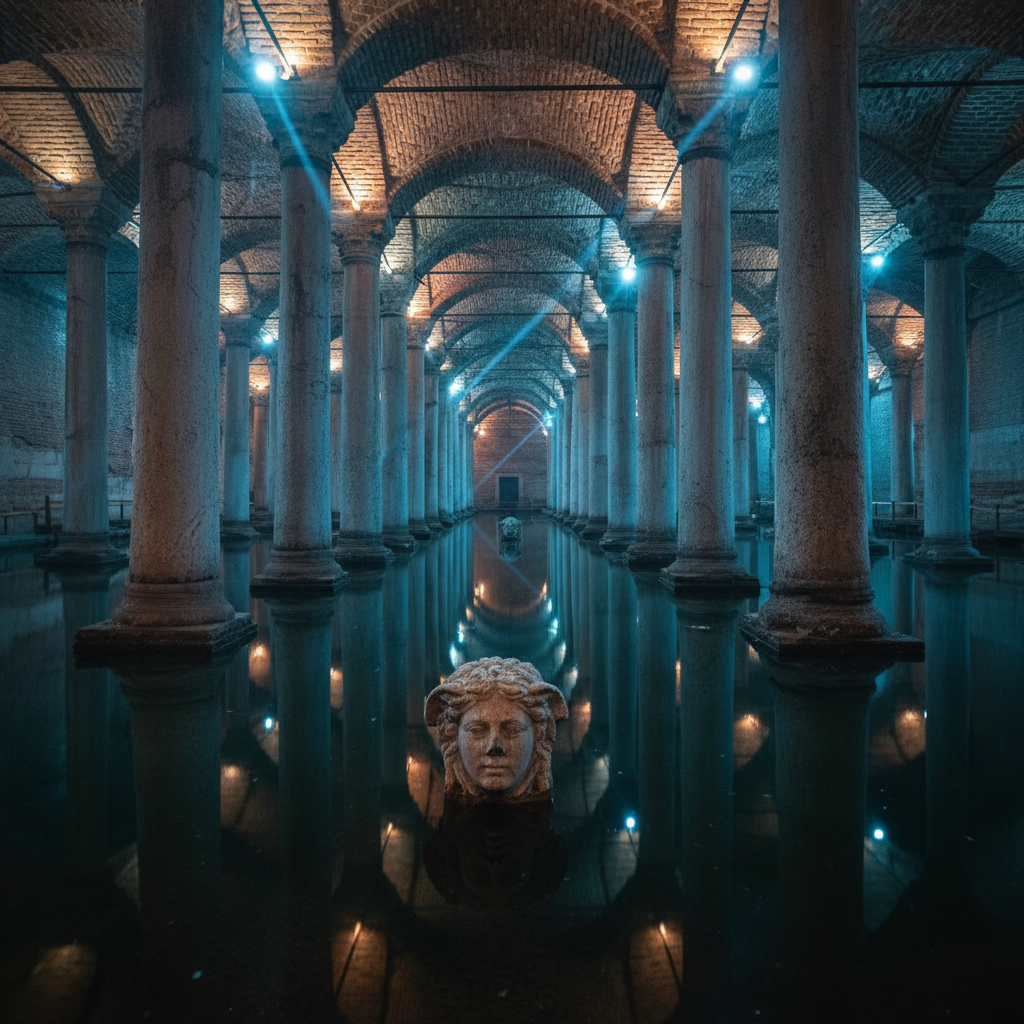
- Undoubtedly the most famous of Istanbul's subterranean sites, the Basilica Cistern (Yerebatan Sarnıcı) is a must-visit. Built in the 6th century by Emperor Justinian I, it once supplied water to the Great Palace.
- Its dimly lit, cavernous space is supported by 336 marble columns, many repurposed from older temples.
- Highlights include the upside-down Medusa heads at the base of two columns, shrouded in myth and mystery. These evoke a sense of awe and intrigue, making them popular photo spots. Discovering these elements is part of exploring the Istanbul underground secrets.
Binbirdirek Cistern: The Cistern of 1001 Columns
Less crowded but equally impressive is the Binbirdirek Cistern (Şerefiye Sarnıcı), also known as the Cistern of Philoxenos. This structure dates back to the 4th century and is celebrated for its intricate brickwork and numerous columns. It offers a more intimate and perhaps, more atmospheric experience than its famous cousin.
Today, parts of it are used for cultural events and exhibitions, showcasing its versatility even millennia after its construction. It’s another prime example of Istanbul underground secrets. For unique experiences beyond the typical tourist trails, discover more of Istanbul's Hidden Gems: Uncovering Unique Experiences.
Beyond the Visible: Unearthing Lesser-Known Subterranean Sites
While the major cisterns are well-documented, Istanbul has numerous other underground wonders that offer a different perspective on its history. These less-traveled paths provide a deeper sense of discovery for the intrepid explorer, revealing more Istanbul underground secrets.
Many of these sites are either partially excavated or remain hidden beneath modern buildings, waiting for their stories to be fully told. Their existence serves as a constant reminder that Istanbul's past is still very much alive, just beneath our feet, holding countless Istanbul underground secrets.
The Theodosius Cistern (Şerefiye Sarnıcı): A Recent Revelation
After extensive restoration, the Theodosius Cistern reopened to the public, offering another stunning example of Byzantine engineering. Built between 428 and 443 AD, this cistern predates the Basilica Cistern.
- It boasts elegant arches and sturdy columns, illuminated to highlight its ancient grandeur.
- Special light and sound shows add a modern artistic touch to the ancient structure, enhancing the visitor experience and bringing these Istanbul underground secrets to life.
Hidden Passages and Tunnels: Legends and Reality
Rumors and historical accounts suggest a network of secret tunnels connecting various palaces, churches, and strategic points across ancient Constantinople. While many remain unverified or inaccessible, tales of these passages add to the mystique of the city’s underground, contributing to the allure of Istanbul underground secrets.
Archeological excavations occasionally unearth segments of these hypothetical tunnels, fueling further interest in the complex subterranean landscape of Istanbul. These discoveries continue to rewrite our understanding of early Byzantine urban planning. You can learn more about Istanbul's rich history and hidden spots on the UNESCO World Heritage Centre website.
The Engineering Marvels of Istanbul's Subterranean World
The construction of these vast underground reservoirs and channels required an incredible understanding of hydraulics and civil engineering. The Byzantines meticulously planned these systems to ensure a steady water supply for a burgeoning imperial city, especially crucial during sieges. These marvels are key to understanding Istanbul underground secrets.
The use of robust materials and innovative construction techniques allowed these structures to withstand centuries of earthquakes, wars, and urban development. They stand as testaments to human ingenuity and perseverance, and are integral to the Istanbul underground secrets.
Water Management Systems: An Ancient Lifeline
Istanbul's cisterns were fed by an extensive aqueduct system that brought water from forests on the outskirts of the city. These aqueducts, some still visible today like the Valens Aqueduct, were integral to the city's survival and growth.
The cisterns itself acted as giant reservoirs, storing water for distribution to fountains, baths, and palaces. This sophisticated water management was a cornerstone of Constantinople's success as a capital, and a fascinating aspect of Istanbul underground secrets.
Tips for Exploring Istanbul's Underground Secrets
Visiting these subterranean wonders requires a shift in perspective. Here are some tips to make your exploration more enjoyable and insightful into the Istanbul underground secrets:
- Wear comfortable shoes: You'll be walking on uneven surfaces in dimly lit areas.
- Bring a good camera: The atmospheric lighting in these sites creates fantastic photo opportunities.
- Hire a guide: A knowledgeable local guide can bring these historical sites to life with stories and historical context.
- Visit during off-peak hours: To avoid crowds, especially at the Basilica Cistern, try to go early in the morning or late in the afternoon.
Taking the time to discover these subterranean realms offers a unique and memorable facet to any Istanbul itinerary. The Istanbul underground secrets are waiting to be unveiled. For more unique attractions beyond the usual, check out Istanbul's Hidden Gems: Beyond the Grand Bazaar & Hagia Sophia.
Conclusion: The Enduring Allure of Istanbul's Subterranean Realm
The Istanbul underground secrets reveal a city that is as rich beneath its surface as it is above. These ancient cisterns, rumored tunnels, and hidden chambers are not just historical sites; they are windows into the daily lives, strategic thinking, and engineering brilliance of past civilizations.
From the grandeur of the Basilica Cistern to the quiet majesty of lesser-known subterranean spaces, each offers a unique narrative of Istanbul's enduring legacy. Exploring these depths is an essential part of understanding the complex tapestry that makes up this incredible city. It’s an adventure waiting for those willing to venture below the surface and immerse themselves in a truly ancient world. To gain a deeper understanding of the city's overall history, consider consulting the Encyclopaedia Britannica entry on Istanbul.