Istanbul Storytelling: Unveiling Traditional Storytellers & Modern Oral Histories in 2026
In the vibrant tapestry of one of the world's oldest and most captivating cities, Istanbul storytelling continues to be a living, breathing art form. From the ancient bazaars to the bustling contemporary cafes, the tradition of sharing narratives weaves through the city's very soul. As we navigate 2026, understanding the evolution of this phenomenon, from its deeply rooted historical origins to its modern manifestations, offers a unique lens through which to experience Istanbul. This comprehensive guide will explore how stories have shaped, and continue to shape, the identity of this magnificent metropolis, enticing both visitors and locals alike into its narrative embrace.
The Enduring Legacy of Traditional Istanbul Storytelling
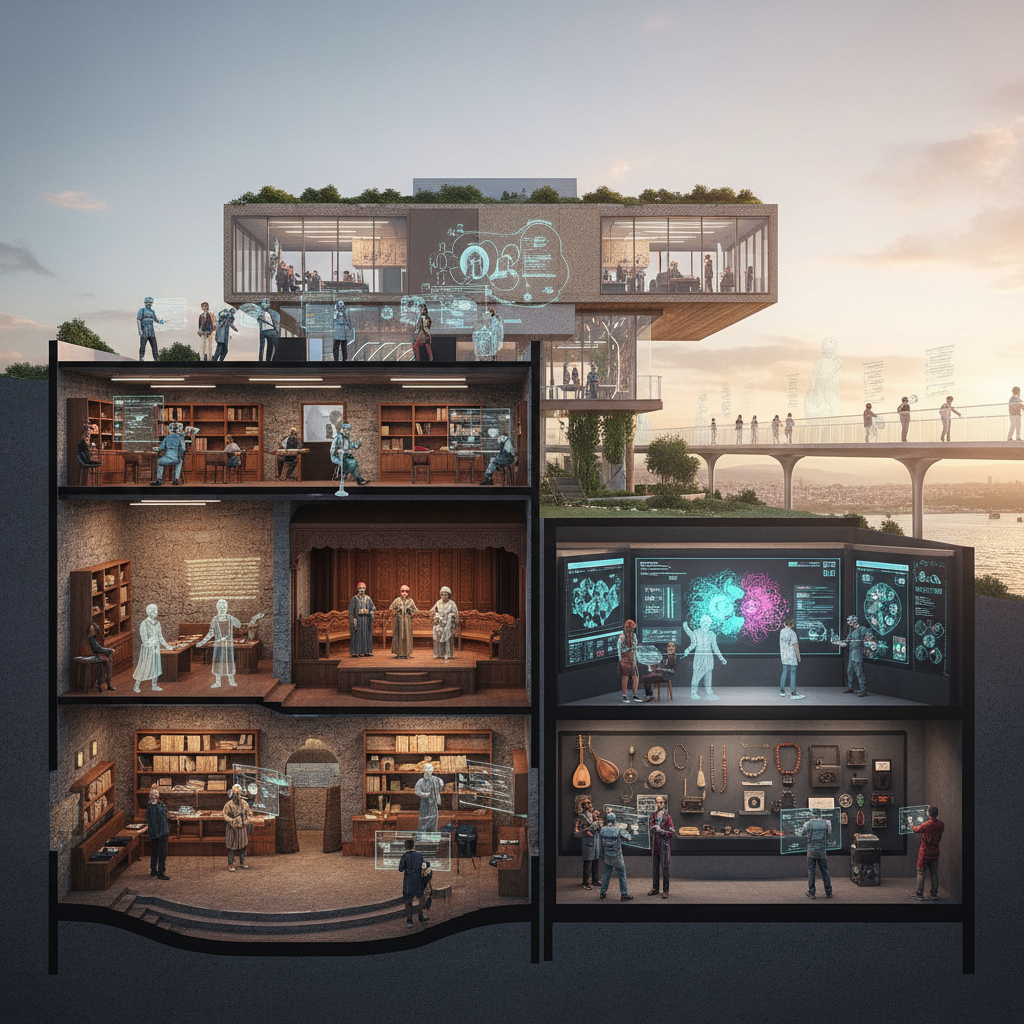
The history of Istanbul storytelling stretches back centuries, with roots firmly planted in the Ottoman Empire and even earlier Byzantine traditions. These were not just tales; they were the primary means of transmitting history, culture, and moral lessons across generations. Travel through time and discover the figures who kept this legacy alive, much like the ancient libraries of Istanbul preserved forgotten lore.
Meddah: The Ottoman Public Storytellers
The meddah, or public storyteller, was a revered figure in Ottoman society. Often found in coffee houses or bazaars, these master performers captivated audiences with dramatic recitations, employing vivid vocal and physical impersonations. Their stories, ranging from heroic epics to humorous anecdotes, provided both entertainment and social commentary. The skill of a meddah lay in their ability to adapt stories to current events, making each performance unique and engaging. Much like the time-traveling tea houses of Istanbul, these spaces were central to social interaction.
Karagöz and Hacivat: Shadow Play Narrators
Beyond the individual performer, the tradition of Karagöz and Hacivat shadow puppet theatre provided another rich avenue for Istanbul storytelling. These comedic figures, representing different social classes, engaged in witty banter and satirical plots, often reflecting contemporary issues. Even today, echoes of their influence can be found in modern Turkish humor and dramatic arts.
Modern Expressions of Istanbul Storytelling in 2026
While traditional forms may have evolved, the spirit of Istanbul storytelling is far from diminished. In 2026, new platforms and approaches are giving fresh life to ancient narratives and creating brand new ones. The city pulsates with a creative energy that continually reinvents how stories are told and shared.
Digital Chronicles and Online Narratives
The digital age has opened up unprecedented avenues for storytelling. Blogs, podcasts, YouTube channels, and social media platforms are now vibrant spaces where individuals share personal anecdotes, historical insights, and cultural observations about Istanbul. These online narratives provide accessible and diverse perspectives, reaching global audiences and fostering a new generation of storytellers.
- Podcast Series: Exploring hidden alleyways and ancient legends.
- Instagram Accounts: Visual narratives of daily life and historical sites.
- Travel Blogs: Personal journeys and detailed guides, often infused with rich storytelling.
Cafes and Cultural Hubs: New Stages for Oral Histories
Traditional coffee houses may have given way to more modern cafes, but these venues remain vital gathering points for oral storytelling. Open mic nights, poetry readings, and informal discussion groups keep the tradition of spoken word alive. Cultural centers throughout Istanbul regularly host events dedicated to preserving and promoting local stories, often focusing on oral histories from different neighborhoods or communities. These spaces are often among Istanbul's 'third space' sanctuaries, fostering community and creativity.
These modern spaces demonstrate a continuous thread of human connection through shared narratives. Whether discussing the city's complex political landscape or simply reminiscing about childhood memories, the act of speaking and listening remains central to Istanbul's social fabric.
The Role of Istanbul Storytelling in Preserving Cultural Heritage
Istanbul storytelling is not merely entertainment; it is a critical tool for cultural preservation. By recounting tales of historical events, legendary figures, and everyday life, storytellers ensure that the city's rich heritage is passed down, interpreted, and understood by future generations. This oral tradition complements written records, offering a more nuanced and often more personal perspective on the past. For instance, the culinary quests of Istanbul also hold many stories of forgotten ingredients and traditions.
Architectural Narratives: Buildings That Speak
Every ancient building, mosque, church, and palace in Istanbul holds a myriad of stories. Guided tours, particularly those led by knowledgeable locals, often transform historical sites into living narratives. Visitors aren't just seeing structures; they are experiencing the lives, loves, triumphs, and tragedies that unfolded within their walls. This immersive approach to history brings the past to life, demonstrating how architecture itself is a form of storytelling. Much like understanding personal stories through archaeology, buildings offer a window into history.
Culinary Tales: Flavors and Memories
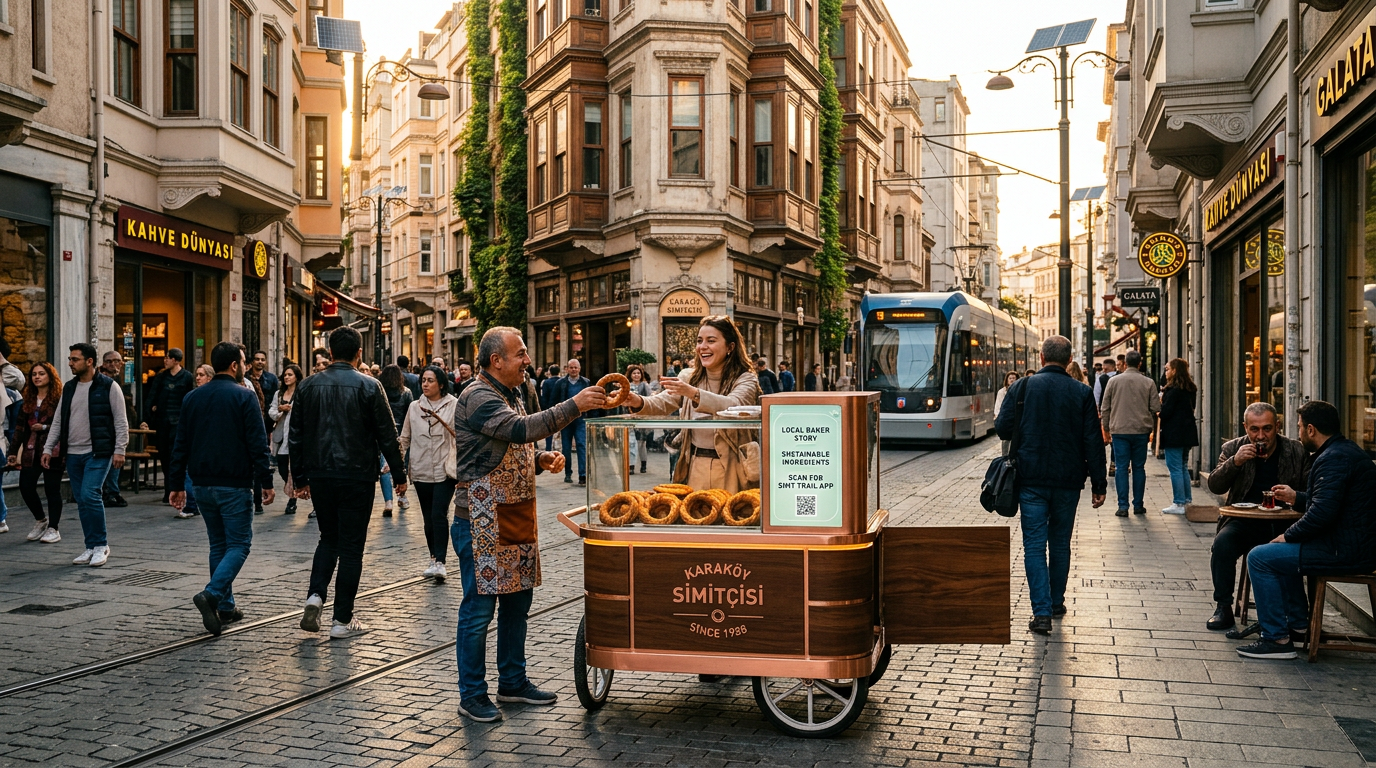
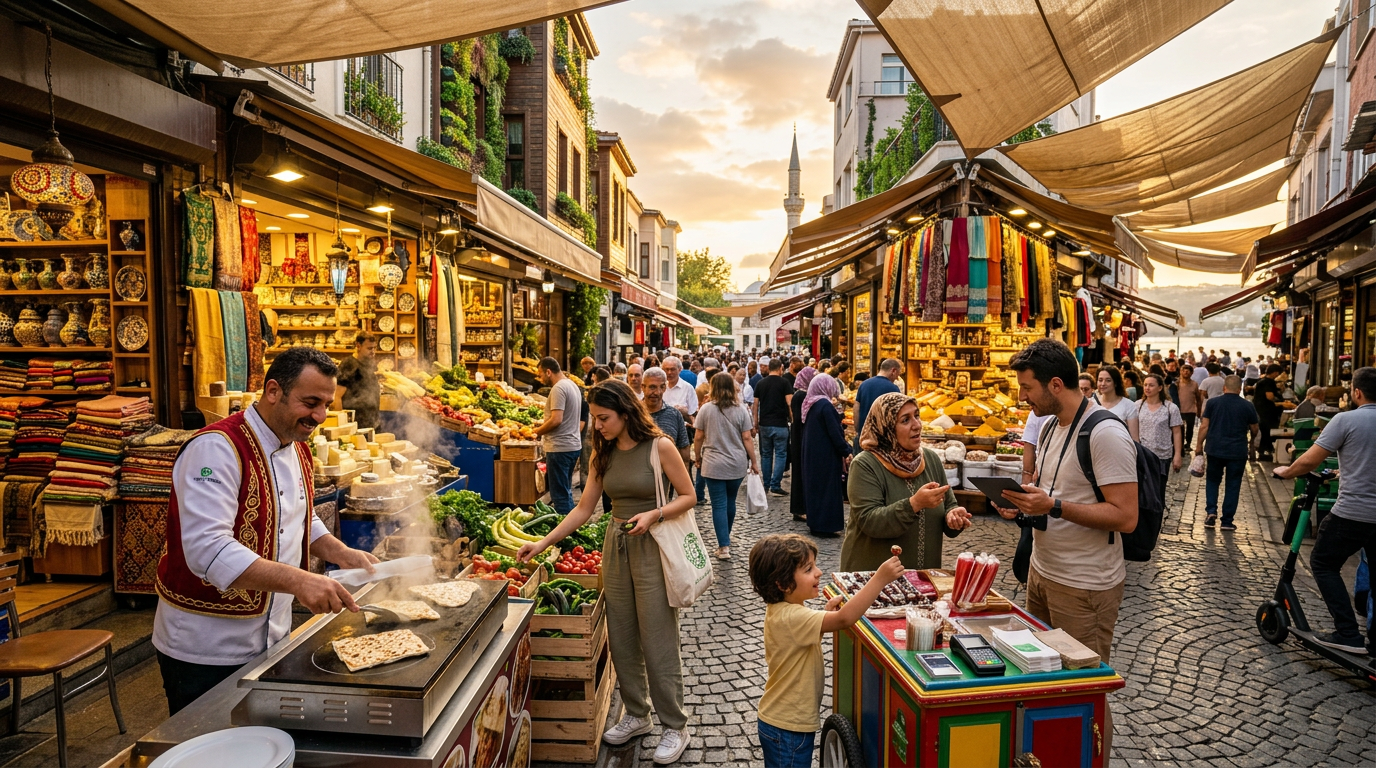
Food is inextricably linked to culture and history in Istanbul. The culinary traditions of the city are rich with narratives, from the origins of specific dishes to the stories of the families who perfected them. Exploring Istanbul's food markets and traditional restaurants often involves listening to tales from vendors and chefs, who recount how their recipes have evolved over generations, each bite telling a story of migration, adaptation, and enduring taste. The Culinary Backstreets Istanbul tours offer a fantastic way to immerse yourself in these narratives.
Engaging with Istanbul Storytelling: A Visitor's Guide for 2026
For those visiting Istanbul in 2026, actively engaging with its storytelling traditions offers an unparalleled way to connect with the city's heart. Beyond the well-trodden tourist paths, lie opportunities for authentic narrative experiences.
Seek Out Local Guides and Workshops
Opt for guided tours led by local residents who are passionate about sharing their city's stories. Many cultural organizations also offer workshops on traditional Turkish arts, often incorporating storytelling elements into the learning process. This direct interaction provides a deeply personal insight into Istanbul's soul. Check out the Go Türkiye culture and arts section for events and workshops.
Look for experiences such as:
- Walking tours focusing on specific neighborhoods and their unique histories.
- Storytelling events or performance nights at local cultural centers.
- Workshops on traditional crafts like marbling (Ebru) or calligraphy, often accompanied by historical narratives.
Explore Hidden Gems and Lesser-Known Narratives
While the Hagia Sophia and Blue Mosque are iconic, venturing into less famous districts can uncover fascinating local tales. Strike up conversations with shopkeepers, artisans, and elderly residents in neighborhoods like Balat, Fener, or Kuzguncuk. These interactions often reveal personal anecdotes and historical perspectives not found in guidebooks, enriching your understanding of the city's layered past and present. The Istanbul Tourist Pass blog highlights some of these lesser-known spots.
The true essence of Istanbul storytelling lies in its accessibility and its vibrant continuity. It’s a tradition that lives on in every corner, every conversation, and every shared moment within this magnificent city. Embrace the opportunity to listen, learn, and perhaps even contribute to Istanbul’s never-ending narrative.