Istanbul's Ancient Apothecaries: Unearthing Forgotten Remedies and Holistic Wellness
Step back in time as we explore the fascinating world of Istanbul ancient apothecaries. These forgotten havens of healing, once vibrant centers of knowledge and wellness, offer a unique glimpse into the historical medical practices of this legendary city. The allure of Istanbul's rich past continues to captivate, and understanding its ancient pharmacies provides a deeper appreciation for the evolution of medicine and holistic health. From herbal concoctions to sophisticated remedies, these Istanbul ancient apothecaries were at the heart of daily life, playing an essential role in safeguarding health. Much like the ancient libraries of Istanbul preserved literary treasures, apothecaries safeguarded medical wisdom.
The Golden Age of Healing: Istanbul Ancient Apothecaries and Islamic Medicine
The history of medicine in Istanbul, particularly during the Byzantine and Ottoman eras, is profoundly rich. Indeed, Istanbul ancient apothecaries were not just shops but critical institutions where knowledge was preserved, new remedies were formulated, and treatments were dispensed. The city, strategically located at the crossroads of East and West, became a melting pot of medical traditions, integrating Greek, Roman, Persian, Indian, and Chinese influences.
Islamic medicine, in particular, made monumental contributions. Scholars like Ibn Sina (Avicenna) and Al-Razi (Rhazes) penned encyclopedic works that became cornerstones of medical education for centuries. Consequently, these texts detailed thousands of medicinal plants, their properties, and methods of preparation, forming the backbone of practices in Istanbul ancient apothecaries. For more on the city's intellectual heritage, delve into Istanbul's Ancient Philosophers & Modern Thought.
Herbalism and Botanical Knowledge in Istanbul Ancient Apothecaries
Herbalism was central to the remedies offered by these ancient pharmacies. Istanbul ancient apothecaries maintained extensive knowledge of local and imported botanicals. They understood which plants possessed analgesic, anti-inflammatory, digestive, or antiseptic properties. Sourcing these herbs, furthermore, involved vast networks, bringing ingredients from across the Ottoman Empire and beyond. This botanical expertise was often cultivated in spaces akin to Istanbul's Ancient Gardens.
- Rosemary: Used for memory and pain relief.
- Chamomile: Known for its calming and anti-inflammatory effects.
- Opium Poppy: Utilized for its potent pain-relieving properties, albeit with careful management.
- Saffron: Valued for its mood-enhancing and antioxidant qualities.
The Art of Compounding and Dispensing Remedies in Ancient Istanbul
Each apothecary was a master of compounding. They carefully weighed, ground, mixed, and prepared remedies according to precise formulas. This art required not only scientific understanding but also a keen sense of precision and quality control. Patients often received personalized preparations tailored to their specific ailments and constitutions.
The practice of dispensing also extended to providing dietary advice, hygiene recommendations, and even rudimentary surgical instruments. Therefore, the holistic approach embraced by Istanbul ancient apothecaries considered the patient's entire well-being. This meticulous approach to health extended to other aspects of daily life, such as the preservation of ancient crafts.
Architectural Marvels: Traces of Istanbul Ancient Apothecaries in Modern-Day Istanbul
While many of the original structures of Istanbul ancient apothecaries have faded with time, remnants and historical records give us clues about their location and design. Often found near hospitals, religious complexes, or busy market streets, these establishments were integral to the urban fabric.
Some historical buildings in areas like the Spice Bazaar (Egyptian Bazaar) and around the Süleymaniye Mosque complex hint at the locations of former apothecaries. These areas were, in fact, hubs for trade in spices, herbs, and exotic ingredients—the very raw materials that fueled a thriving pharmaceutical industry.
The Grand Bazaar and Spice Bazaar: Historical Hubs of Medicinal Trade
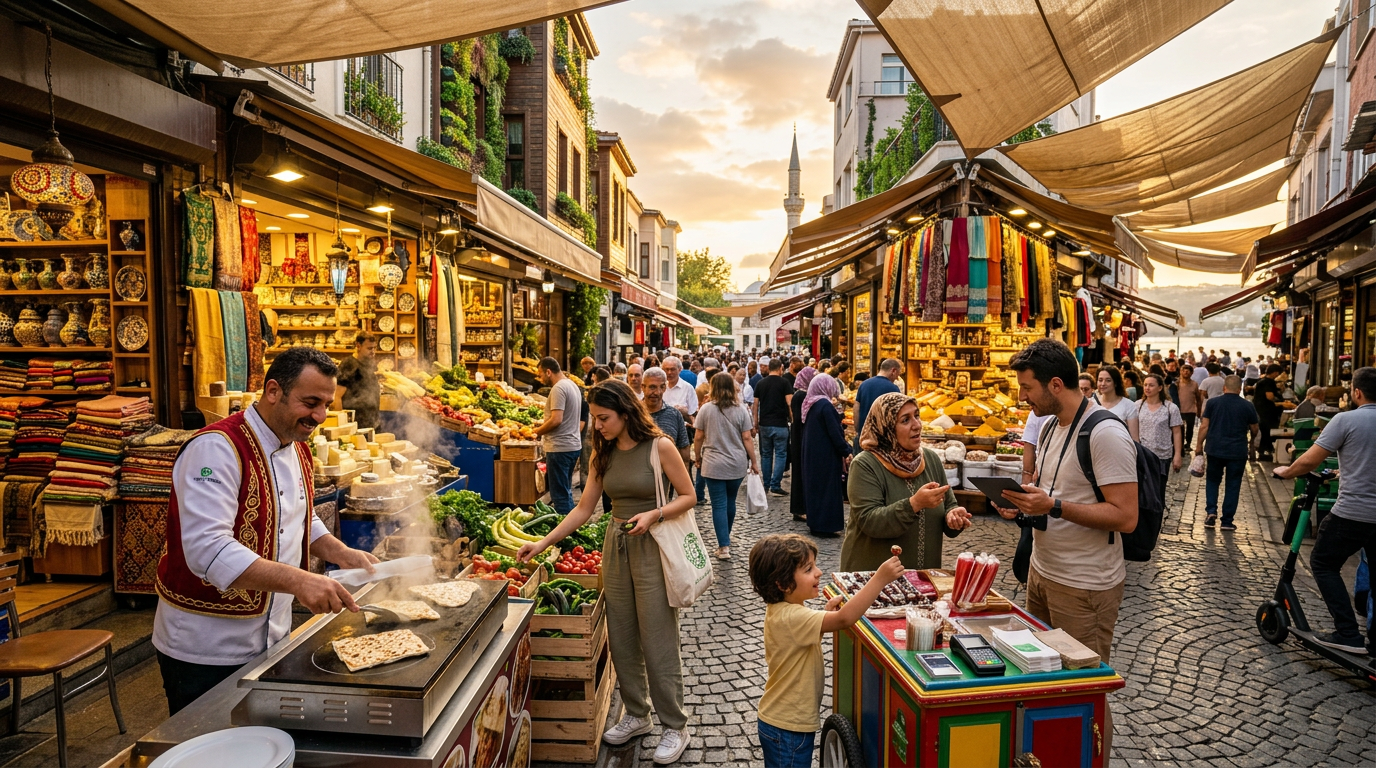
Even today, a visit to the Grand Bazaar and especially the Spice Bazaar provides a sensorial experience that connects directly to the past of Istanbul ancient apothecaries. Stalls overflow with aromatic spices, dried herbs, traditional remedies, and natural oils, echoing the goods that would have been sold centuries ago.
While not functioning as traditional apothecaries, many vendors in these vibrant markets continue to sell traditional Turkish remedies, herbal teas, and natural health products. This continuation, undoubtedly, carries on a legacy that dates back through generations. For a broader view of ancient trade, consider the city's historic harbors and maritime tales.
Museum Collections and Historical Documentation of Ancient Apothecaries
Museums across Istanbul, such as the Istanbul Health Museum or various university archives, house fascinating artifacts related to ancient medicine and pharmacy. These collections, for example, include old medical instruments, elaborate ceramic and glass containers for remedies, illuminated manuscripts detailing medical recipes, and even detailed inventory lists from historical Istanbul ancient apothecaries. These treasures allow historians and enthusiasts to piece together the daily operations and significance of these vital institutions. To learn more about medical history resources, the Istanbul Chamber of Commerce website offers insights into the city's health museums.
The Legacy of Istanbul Ancient Apothecaries: Holistic Wellness and Modern Applications
The principles practiced by Istanbul ancient apothecaries resonate strongly with the growing interest in holistic wellness and natural remedies today. The emphasis on prevention, individualized care, and the power of natural ingredients is experiencing a resurgence globally. Many modern pharmacists and health practitioners, moreover, look to historical practices for inspiration from Istanbul ancient apothecaries.
The scientific community, furthermore, is increasingly studying traditional herbal remedies, often validating their efficacy through modern research. This fusion of ancient wisdom and contemporary science offers exciting avenues for future healthcare. Organizations like the World Health Organization (WHO) champion the integration of traditional and complementary medicine.
Integrating Traditional and Modern Medicine
There's a significant movement towards integrating traditional medicine, including herbalism, with conventional medical practices. This approach seeks to harness the best of both worlds, providing patients with comprehensive and personalized treatment plans. The legacy of Istanbul ancient apothecaries serves as a powerful reminder of how effective natural remedies can be when understood and applied correctly.
For individuals visiting Istanbul today, exploring the modern interpretations of ancient remedies can be a unique experience. From specialty herbal shops to wellness centers offering traditional Ottoman therapies, the spirit of ancient healing endures. The Anatolia Journal often features research on Turkish folk medicine and historical health practices.
The Enduring Influence of Istanbul Ancient Apothecaries on Global Pharmacy and Medicine
The contributions of Istanbul ancient apothecaries and the broader Islamic medical tradition extended far beyond the city's walls. Their sophisticated understanding of pharmacology, clinical observation, and patient care laid crucial foundations for the development of modern medicine in Europe and around the world.
The comprehensive curricula taught in madrasahs and hospitals of the Ottoman era produced highly skilled practitioners who influenced medical education for centuries. The meticulous documentation and translation efforts made by scholars in Istanbul, therefore, ensured that valuable knowledge from various cultures was preserved and disseminated.
In conclusion, the story of Istanbul ancient apothecaries is a vibrant tapestry woven with scientific discovery, cultural exchange, and an enduring commitment to healing. As we navigate the complexities of health and wellness, looking back at these historical roots provides not only fascinating insights but also valuable perspectives on holistic care and the profound impact of natural remedies.