Istanbul's Silk Road Secrets: Tracing Ancient Trade Routes and Modern Marvels
Delving into the rich tapestry of history, the concept of the Istanbul Silk Road immediately evokes images of ancient caravans, exotic goods, and bustling marketplaces. This legendary network of trade routes, connecting the East and West, found one of its most pivotal crossroads in the magnificent city of Istanbul. Once known as Constantinople, this imperial city served as a crucial bridge, facilitating the exchange of not only silk and spices but also ideas, cultures, and religions across continents. Exploring the enduring legacy of the Istanbul Silk Road offers a unique perspective on the city's multifaceted identity, blending its storied past with its vibrant present. For more on Istanbul's historical depths, consider Istanbul's Time-Traveling Trails. Istanbul's Cultural Canvas: Art, Literature, and Traditions
The Historical Significance of the Istanbul Silk Road
The Silk Road was not a single path but a complex web of routes, and its westernmost extensions famously led to the gates of Constantinople. Positioned strategically between Europe and Asia, Istanbul became an indispensable hub for merchants traveling along these routes. Its natural harbor, the Golden Horn, provided a safe haven for ships, while its land fortifications offered protection for overland caravans. This unique geographical advantage solidified Istanbul's role as a major trading power for centuries.
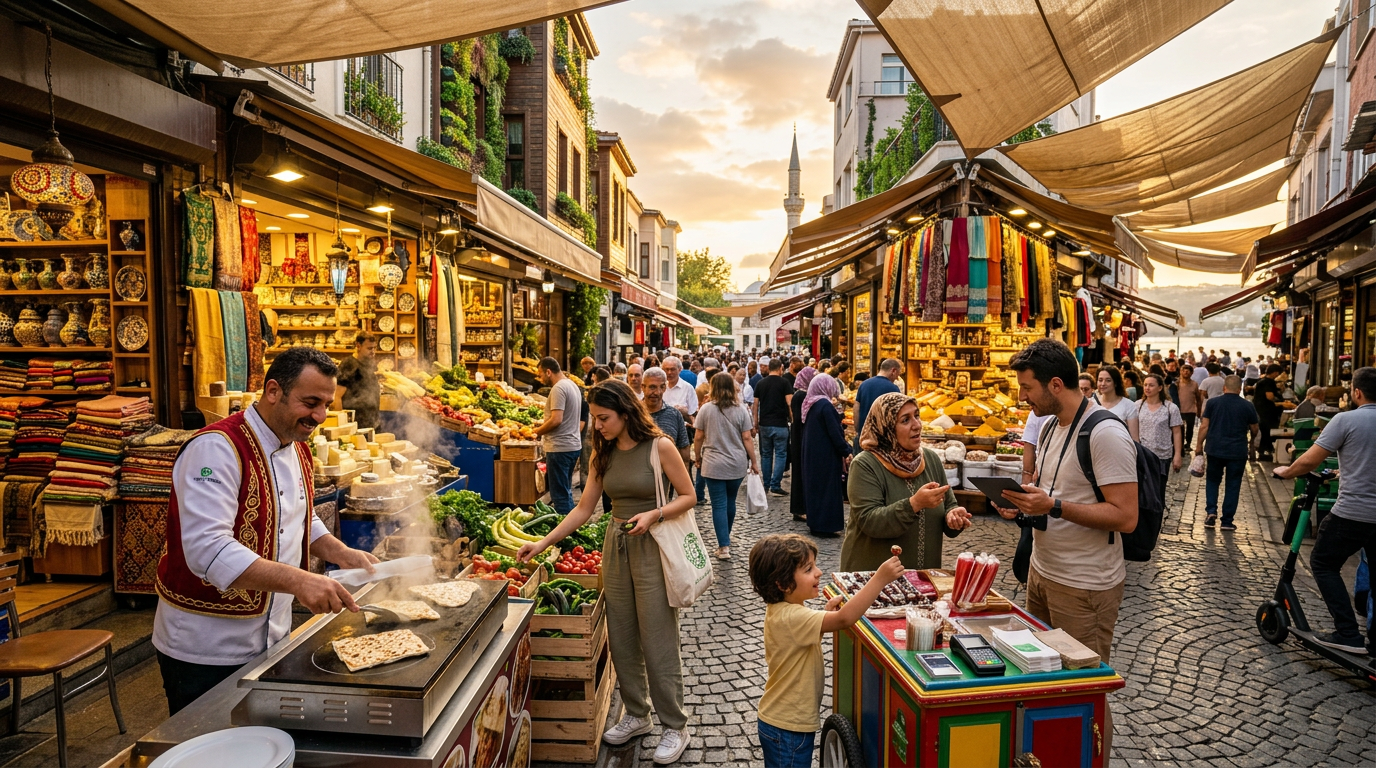
The city's vibrant markets, such as the Grand Bazaar and the Spice Bazaar, are direct descendants of this ancient trading heritage. These places continue to echo with the sounds and smells of commerce that have permeated Istanbul for millennia. Understanding the historical context of the Istanbul Silk Road is essential to appreciating the city's development and its global influence. To delve further into the city's vibrant marketplaces, check out Hidden Gems Beyond the Grand Bazaar & Hagia Sophia.
Byzantine Era: A Gateway to Riches
During the Byzantine Empire, Constantinople thrived as the western terminus of the Silk Road. Emperors meticulously protected these trade routes, recognizing their economic and strategic importance. The city became a repository of wealth, attracting merchants from distant lands who brought silks from China, spices from India, and precious stones from Central Asia. In return, European goods, technologies, and artistic styles flowed eastward, creating a truly globalized exchange.
- Economic Powerhouse: Constantinople's control over key trade arteries led to immense prosperity.
- Cultural Kaleidoscope: The influx of diverse peoples and goods fostered a unique cultural blend.
- Strategic Importance: Maintaining peace and order along the routes was crucial for the empire's survival.
Ottoman Era: Expanding the Network
With the conquest of Constantinople by the Ottomans in 1453, the city's role as a Silk Road hub was not diminished; rather, it was revitalized and expanded. The Ottomans, skilled administrators and traders, further developed the infrastructure necessary for trade, including building numerous caravanserais and han (inns) across their vast empire. These structures provided safe lodging and storage for merchants and their precious cargo.
The Istanbul Silk Road continued to flourish under Ottoman rule, even as maritime routes gained prominence. The city adapted, becoming a center for both land-based and sea-based trade, further cementing its commercial dominance. The Grand Bazaar, in particular, grew into one of the world's largest and oldest covered markets, directly benefiting from the continuous flow of goods.
Traces of the Silk Road in Modern Istanbul
Even today, centuries after the heyday of the ancient trade routes, the legacy of the Istanbul Silk Road is deeply embedded in the city's fabric. From its architectural wonders to its bustling contemporary markets and its culinary traditions, Istanbul offers countless reflections of its status as a historical crossroads. Visitors can literally walk in the footsteps of ancient merchants and discover how their journeys shaped the city we see today.
Architectural Remnants: Caravanserais and Hans
Throughout Istanbul, particularly in the older districts, one can still find well-preserved or restored caravanserais and hans that once served as vital resting points for Silk Road merchants. These fortified inns offered secure courtyards for animals, storage facilities for goods, and living quarters for travelers. While many have been repurposed, they stand as tangible reminders of Istanbul's trading past.
- Büyük Valide Han: A sprawling Ottoman caravanserai offering panoramic views of the city.
- Çinili Han: Known for its intricate tile work, reflecting Eastern influences.
- Rüstem Paşa Medresesi: Though primarily a religious school, it also served as a hub for commercial activity.
Exploring these architectural gems provides a profound connection to the merchant convoys that once filled their courtyards, highlighting the enduring historical significance of the Istanbul Silk Road. Further explore Istanbul's Ancient Underground for more forgotten treasures.
Bazaars and Their Enduring Appeal
No discussion of the Istanbul Silk Road would be complete without mentioning its iconic bazaars. The Grand Bazaar (Kapalıçarşı) and the Spice Bazaar (Mısır Çarşısı) are living museums, testament to Istanbul's long history as a trading center. Here, one can still find goods from all corners of the world, much like centuries ago, albeit with a modern twist.
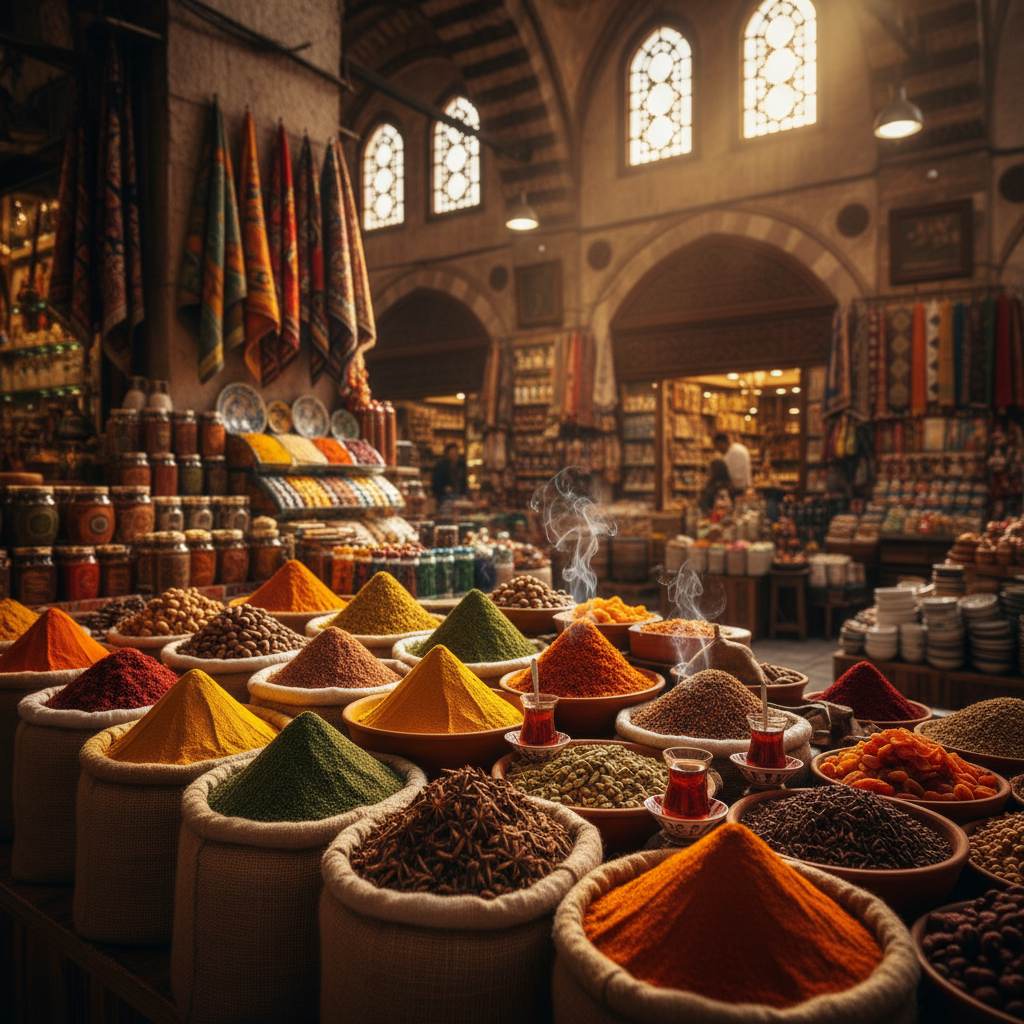
The Grand Bazaar, with its labyrinthine alleys and thousands of shops, continues to sell everything from intricate carpets and jewelry to leather goods and ceramics. The Spice Bazaar, on the other hand, is a sensory delight, overflowing with aromatic spices, exotic teas, traditional sweets, and medicinal herbs – ingredients that were once transported along the Silk Road.
These bazaars are not just shopping destinations; they are cultural institutions that carry the echo of ancient transactions and the spirit of global exchange that defines the Istanbul Silk Road.
The Cultural Exchange Along the Istanbul Silk Road
Beyond the trade of physical commodities, the Istanbul Silk Road was instrumental in fostering a profound cultural exchange. Ideas, religions, artistic styles, scientific knowledge, and culinary traditions flowed freely between East and West, enriching all societies involved. Istanbul, as the primary meeting point, became a melting pot where these diverse influences converged and intertwined.
The city's mosques, churches, and synagogues stand as testaments to the religious plurality that characterized the Silk Road era. Its cuisine, infused with flavors from Central Asia, the Middle East, and the Mediterranean, directly reflects the culinary fusion brought about by these ancient trade routes. Even the city's language and artistic expressions bear the indelible marks of this continuous cross-cultural dialogue.
Culinary Delights: A Taste of the Routes
The food of Istanbul is a direct reflection of its position on the Istanbul Silk Road. Spices like saffron, cumin, and cinnamon, once exotic imports, became staples of Ottoman cuisine. Ingredients such as rice, pistachios, and apricots, arriving from the East, seamlessly integrated into local dishes, creating a unique gastronomic identity.
- Turkish Coffee: A rich brew with origins connected to the Arabian Peninsula.
- Lokum (Turkish Delight): Sweet confections, perfected in Ottoman kitchens, using ingredients traversed along the Silk Road.
- Kebab varieties: Influenced by Central Asian cooking techniques and spices.
Dining in Istanbul is like embarking on a culinary journey across the ancient trade routes, offering a delicious insight into the city's interconnected past. For an in-depth guide to the city's flavors, see Istanbul's Culinary Crossroads.
Art and Craftsmanship: Echoes of the East
The journey along the Istanbul Silk Road brought with it not just goods, but also skilled artisans and their techniques. Chinese porcelain, Persian miniatures, and Central Asian textiles all influenced Ottoman art and craftsmanship. Conversely, Byzantine and European artistic styles found their way eastward, creating a fascinating synthesis of artistic expressions.
Today, in Istanbul's workshops and galleries, one can still observe traditional crafts that have been passed down through generations, many of which carry the stylistic hallmarks of this cross-cultural fertilization. From intricate tile work and calligraphy to carpet weaving and jewelry making, the artistic legacy of the Silk Road continues to thrive. Discover more about Istanbul's Artisanal Echoes.
Experiencing the Istanbul Silk Road Today
For travelers to Istanbul, experiencing the Silk Road is more than just learning history; it's about immersing oneself in the living legacy of these ancient connections. It's about wandering through the labyrinthine passages of the Grand Bazaar, savoring the aromatic spices of the Spice Bazaar, and imagining the caravans that once passed through historic hans. The Istanbul Silk Road isn't just a part of history; it's an intrinsic part of Istanbul's identity, endlessly fascinating and endlessly rewarding to explore. For broader historical context, you can also explore resources like the Encyclopaedia Britannica's entry on the Silk Road.
Whether you're a history enthusiast, a culinary adventurer, or a culture seeker, Istanbul offers a rich and tangible connection to this monumental historical network. The city stands as a vibrant testament to the enduring power of trade, cultural exchange, and human connection across vast distances. For those interested in the maritime aspects of trade and travel, the Bosphorus Strait also holds centuries of captivating history. Discovering the secrets of the Istanbul Silk Road is to discover the very heart and soul of this magnificent city.