Istanbul's 'Coastal Chronicles': Unveiling the Maritime History and Unseen Shorelines in 2026
As we navigate through 2026, the allure of Istanbul remains undimmed, particularly its profound connection to the sea. The city's very identity is interwoven with its waterways, making an exploration of Istanbul maritime history an essential pilgrimage for any curious traveler. From ancient empires dominating trade routes to modern-day ferries crisscrossing the Bosphorus, the sea has shaped Istanbul's destiny, culture, and architecture. This blog post delves into the rich past and present of Istanbul's coastal narratives, revealing both its celebrated maritime heritage and its often-overlooked shorelines.
The Strategic Significance of Istanbul's Maritime History
Istanbul's geographical position, straddling two continents and positioned at the confluence of the Black Sea and the Marmara Sea, preordained its maritime importance. For millennia, controlling these waters meant controlling global commerce and geopolitical power. The Bosphorus and the Golden Horn were not merely bodies of water; they were arteries of empire.
Byzantium: The Cradle of Seaborne Power
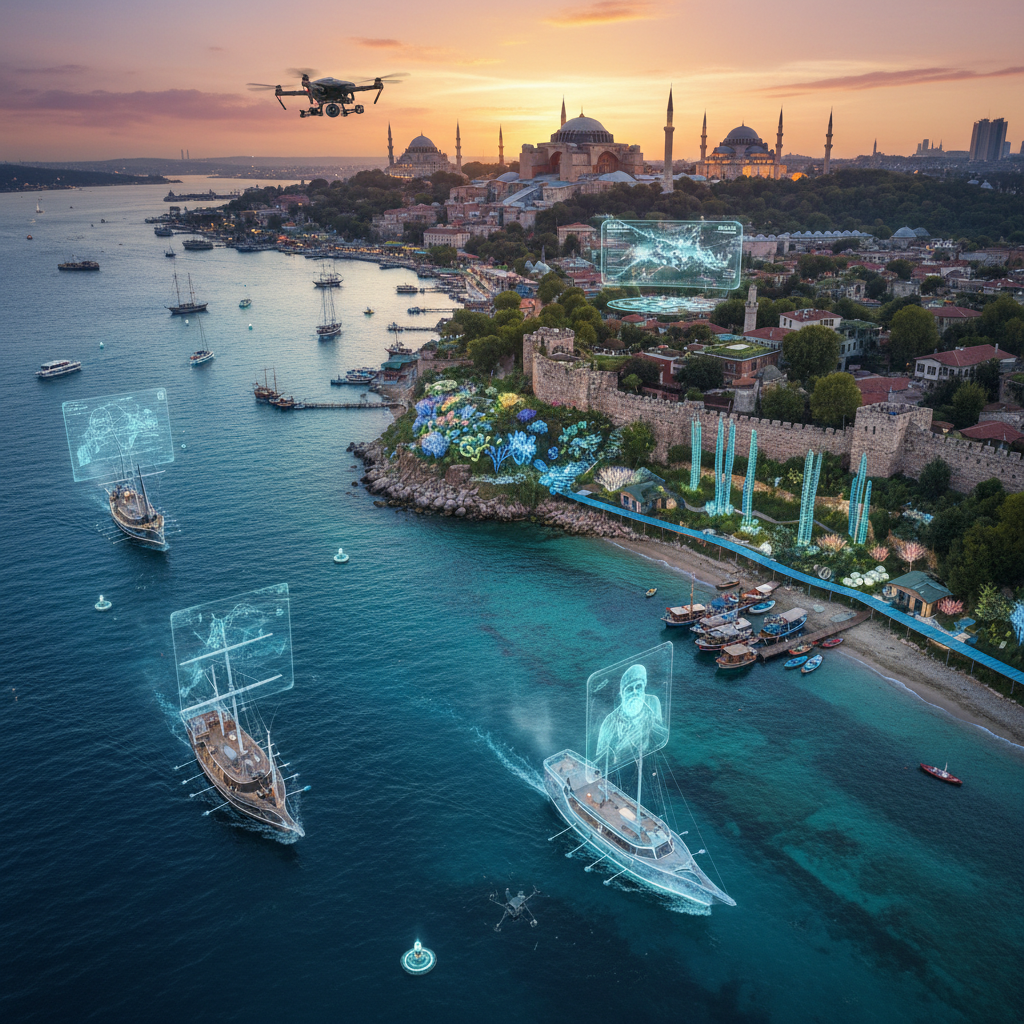
Before it was Istanbul, Byzantium flourished due to its defensible peninsula and excellent harbor. The Byzantine Empire leveraged its naval strength to protect its capital and project its influence across the Mediterranean and Black Seas. Their intricate system of sea walls and chains blocking the Golden Horn were marvels of engineering for their time.
- Naval Dominance: The Byzantines were masters of naval warfare, using Greek Fire to devastating effect against invading fleets.
- Trade Hub: Byzantium served as a crucial intermediary for trade between East and West, with goods arriving and departing via its bustling ports.
- Golden Horn: This natural harbor provided unparalleled protection and facilitated rapid naval deployment.
Ottoman Empire: Masters of the Seas
The Ottoman conquest of Constantinople in 1453 solidified its position as a global maritime power. The Ottomans rapidly built a formidable navy, extending their reach across vast swathes of the Mediterranean, the Black Sea, and even into the Indian Ocean. Understanding Istanbul maritime history during this period reveals a complex tapestry of conquest, trade, and cultural exchange.
- Galata Shipyard: This historic shipyard, operational since Byzantine times, became a central hub for constructing the Ottoman fleet.
- Trade Routes: The Ottomans controlled vital spice and silk routes, funneling immense wealth through Istanbul's ports.
- Naval Battles: Key engagements like the Battle of Lepanto, despite being a defeat, illustrate the scale and ambition of Ottoman naval power.
Uncovering Istanbul's Hidden Maritime History and Coastal Gems in 2026
While iconic landmarks like the Maiden's Tower are well-known, Istanbul's coastline hides numerous lesser-explored sites that whisper tales of its past. As we move into 2026, there's a growing interest in uncovering these more intimate connections to the sea. You might also be interested in exploring Istanbul's Abandoned Wonders for unique perspectives of the city's hidden facets.
Forgotten Fishing Villages and Ancient Harbors
Beyond the grand imperial ports, Istanbul's shores are dotted with former fishing villages, many of which still retain their charm. Neighborhoods like Kumkapı and Riva offer a glimpse into a simpler, more organic relationship with the sea, contrasting sharply with the city's bustling center. Many of these areas also harbor remnants of ancient, smaller harbors that predated the major imperial constructions. For more on the city's historic infrastructure, consider reading about Istanbul's Ancient Waterways.
Lighthouses and Shoreline Fortifications
Istanbul's lengthy coastline is punctuated by historic lighthouses, such as the Anadolu Feneri on the Asian side, which has guided countless ships over centuries. Along with these beacons, subtle ruins of ancient fortifications and watchtowers, often integrated into modern developments, hint at the city's constant need for coastal defense. These structures are silent sentinels of Istanbul maritime history.
- Anadolu Feneri: Standing proudly since 1834, it offers breathtaking views of the Black Sea.
- Rumeli Feneri: Its European counterpart, equally significant in guiding vessels through the Bosphorus entrance.
- Coastal Castles: Like Anadolu Hisarı and Rumeli Hisarı, they guard the narrowest point of the Bosphorus, testament to strategic maritime control.
The Bosphorus and Golden Horn: Living Arteries of Istanbul's Maritime Legacy
No discussion of Istanbul maritime history is complete without dedicating significant attention to the Bosphorus and the Golden Horn. These waterways are not just scenic backdrops but have been the lifeblood of the city for millennia, shaping its development and identity.
Ferries and Seabus: Modern Maritime Transportation
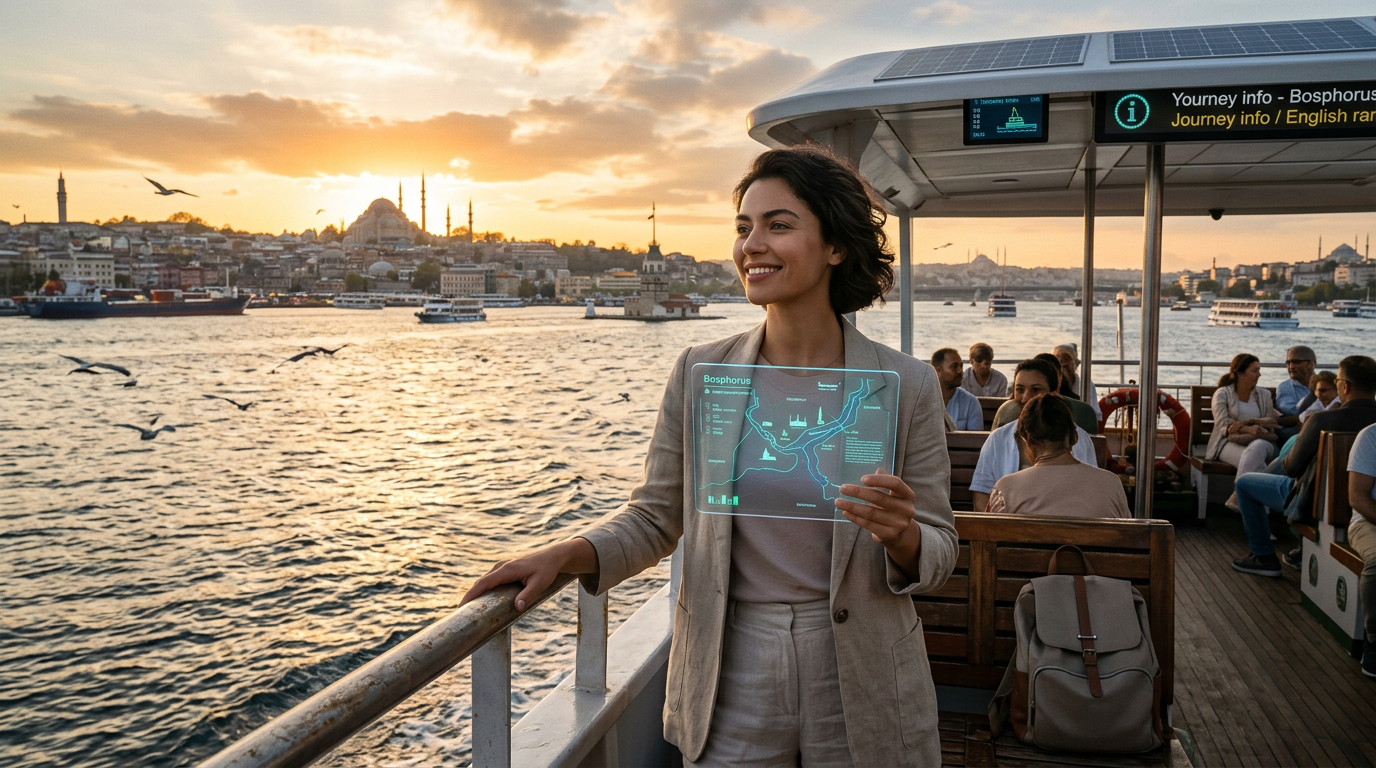
Even in 2026, ferries remain an indispensable mode of transport for millions of Istanbulites. They offer not just convenience but also a unique perspective of the city, gliding past palaces, historic mansions (yalı), and bustling neighborhoods. These journeys connect the various districts, much as they have done for centuries, albeit with modern vessels. For tips on navigating the city, check out Istanbul's Time-Warp Transit.
The Golden Horn's Evolving Waterfront
Once a thriving commercial port and industrial zone, the Golden Horn has undergone significant transformation in recent decades. While its shipbuilding past is still evident in some areas, efforts to revitalize its banks with parks, museums, and cultural centers are creating a new chapter in its maritime story. The Rahmi M. Koç Museum, dedicated to industry and transport, is a must-visit for enthusiasts of Istanbul maritime history. For more on the city's innovative spirit, see Istanbul's 'Future Echoes'.
Preserving and Promoting Istanbul's Maritime Heritage in 2026
In 2026, there's a strong emphasis on recognizing, preserving, and promoting Istanbul's vast maritime heritage. Institutions, local governments, and passionate individuals are working together to ensure these stories endure for future generations, enhancing the city's appeal as a cultural destination.
Museums and Exhibitions
Several museums are dedicated to showcasing Istanbul's connection to the sea. Beyond the Rahmi M. Koç Museum, the Istanbul Naval Museum (Deniz Müzesi) in Beşiktaş houses an impressive collection of Ottoman naval artifacts, including sultanate caiques and historical maps. These institutions play a vital role in educating both locals and tourists about the depth of Istanbul maritime history.
Sustainable Coastal Development
With increasing awareness of climate change and environmental protection, Istanbul is focusing on sustainable coastal development projects. These initiatives aim to protect marine ecosystems, improve water quality in the Bosphorus and Golden Horn, and create accessible, green spaces along the shoreline for public enjoyment. Such efforts ensure that the city's maritime future is as vibrant as its past. Learn more about Istanbul's Eco-Conscious Exploration for sustainable travel tips.
- Coastal Parks: New green spaces are being developed, offering recreational opportunities and improved public access to the sea.
- Water Quality Initiatives: Projects are underway to clean up the Golden Horn and Bosphorus, critical for both ecological health and aesthetic appeal.
- Historic Vessel Restoration: Efforts to restore traditional boats and vessels help keep tangible aspects of maritime history alive.
Experiencing Istanbul's Maritime Soul: Tips for Travelers in 2026
For visitors in 2026, immersing oneself in Istanbul's maritime world is an unforgettable experience. Here are some tips to get the most out of your exploration of Istanbul maritime history.
- Take a Bosphorus Cruise: Essential for understanding the city's layout and its relationship with the water. Opt for a public ferry for an authentic local experience. You can find more information on local ferry schedules on the official Şehir Hatları website.
- Visit the Naval Museum: Dive deep into the Ottoman maritime empire's story.
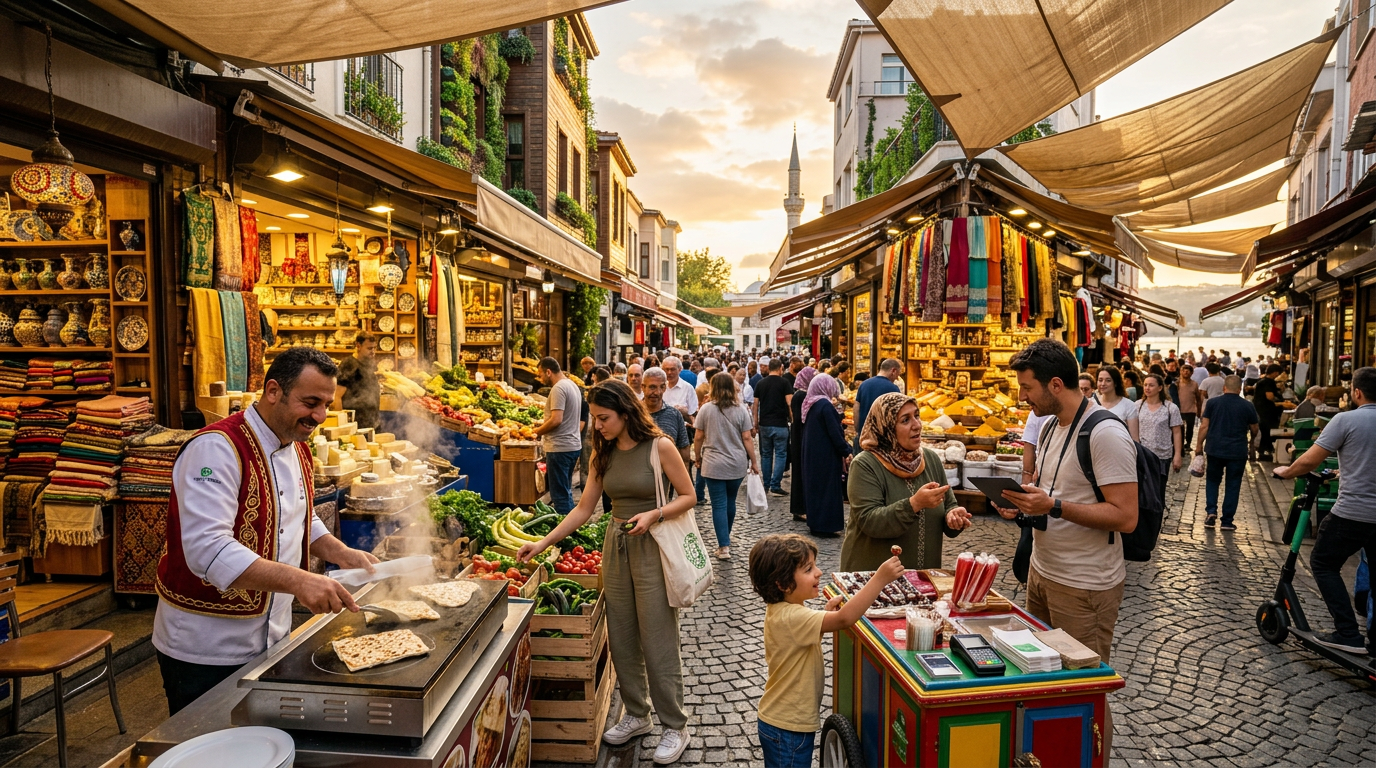
- Explore Coastal Neighborhoods: Wander through districts like Ortaköy, Arnavutköy, and Anadolu Kavağı to experience picturesque waterfront life.
- Indulge in Seafood: Taste the bounty of the sea at fish restaurants along the Bosphorus, offering fresh catches daily. For popular seafood spots, you can consult guides like Culture Trip's recommendations.
- Walk the Golden Horn Promenade: Enjoy the revitalized waterfront and its views of the historic peninsula. More details on the Golden Horn's transformation can often be found in urban development reports, such as those from the Istanbul Governorship.
In conclusion, Istanbul's identity is inextricably linked to its maritime heritage. From its ancient origins as Byzantium to its grandeur as the capital of the Ottoman Empire, and its ongoing evolution in 2026, the sea has been a constant companion and a defining force. Exploring its 'Coastal Chronicles' offers a profound insight into one of the world's most enduring and fascinating cities.