Istanbul's Ancient Guilds and Crafts: Unveiling the Economic Engine of a Metropolis in 2026
Diving into the rich tapestry of Istanbul's history reveals a fascinating world underpinned by its vibrant economic structures. Among the most influential and foundational elements were the Istanbul ancient guilds, organizations that shaped trade, craftsmanship, and social life for centuries. These powerful associations, often referred to as 'ahi' organizations or 'esnaf loncaları,' were far more than simple trade unions; they were the backbone of the city's commercial prowess, ensuring quality, regulating prices, and fostering a strong sense of community amongst their members. As we navigate 2026, understanding the legacy of these guilds provides invaluable insight into the enduring spirit of Istanbul's artisanal traditions.
The Genesis and Evolution of Istanbul Ancient Guilds
The origins of guilds in the region predate the Ottoman conquest of Constantinople. Byzantine economic life also featured organized trades, though the Ottoman system, particularly the 'ahi' order, brought a new level of integration between religious, social, and economic principles. These early associations laid the groundwork for the sophisticated guild system that flourished under Ottoman rule, becoming central to the urban fabric.
Following Sultan Mehmed the Conqueror's capture of the city in 1453, the Ottoman administration recognized the importance of organized labor and inherited many existing guild structures. They then actively supported and integrated them into the new imperial capital. This strategic move ensured economic stability and facilitated the swift repopulation and revitalization of the metropolis, turning it into a thriving center of commerce and craft.
From Byzantine Legacy to Ottoman Might: Early Guild Structures
- Byzantine Foundations: Evidence suggests organized trade groups existed in Constantinople long before 1453, regulating various professions and contributing to the city's economic life. For a deeper dive into the city's early history, explore Istanbul's 'Coastal Chronicles': Unveiling the Maritime History and Unseen Shorelines in 2026.
- Ahi Brotherhood: The Ahi tradition, emerging in Anatolia, provided a moral and ethical framework for craftsmanship, emphasizing honesty, integrity, and mutual support among members. This significantly influenced the character of Istanbul ancient guilds.
- Imperial Integration: The Ottoman state strategically leveraged existing structures and established new ones to organize production, distribution, and consumption efficiently across its vast empire.
The Structure and Power of Istanbul Ancient Guilds
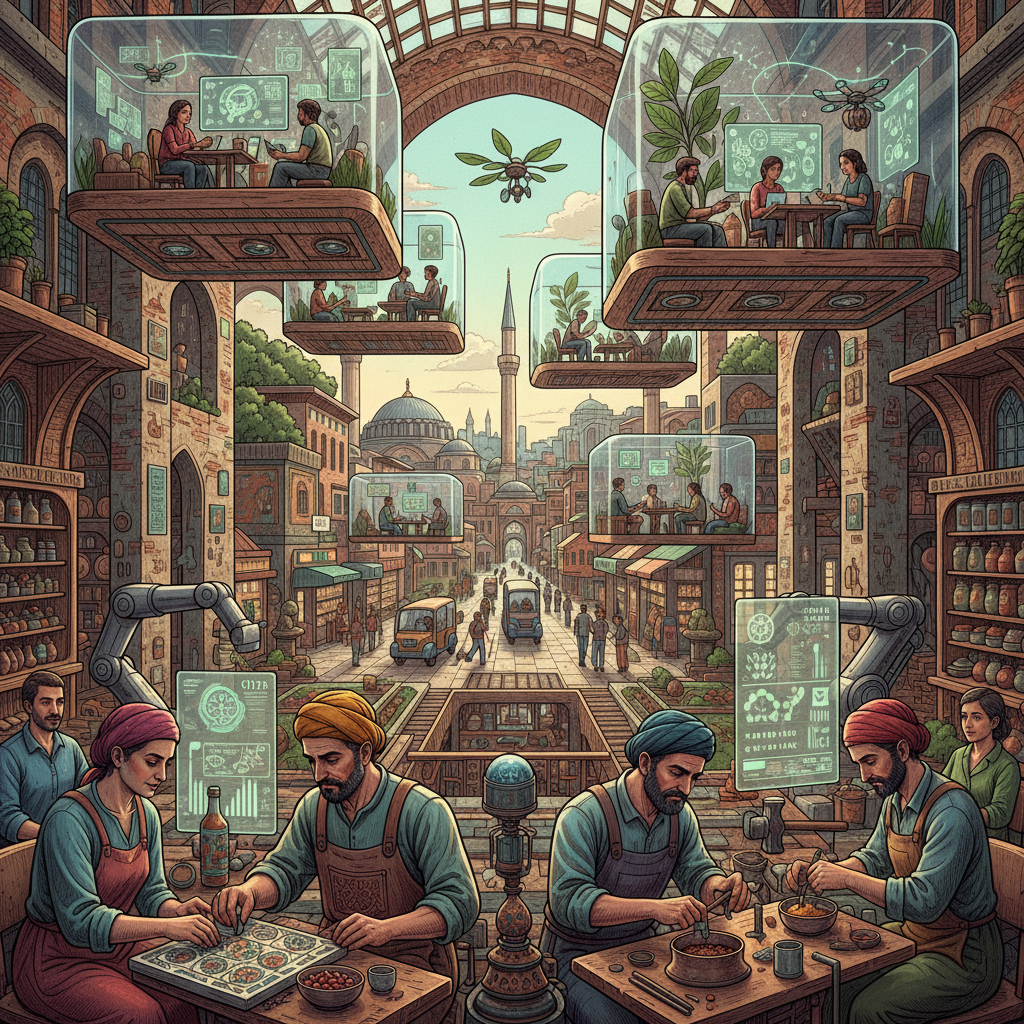
Each guild in Istanbul was a self-governing entity with its own internal rules, hierarchy, and traditions. They played a crucial role in maintaining order within their respective trades, from shoemakers and jewelers to bakers and boat builders. Membership offered protection, training, and a pathway for social mobility, creating a robust framework for skilled labor.
At the head of each guild was a 'kethüda' or 'lonca başı' (guild master), elected by members, who acted as a liaison between the guild and the state. These leaders were responsible for upholding quality standards, settling disputes, and ensuring fair practices. The guilds also had a significant social function, often providing welfare for their members and contributing to charitable endeavors within their communities.
Internal Governance and Apprenticeship
- Strict Hierarchy: Guilds operated with a clear hierarchy: apprentices (çırak), journeymen (kalfa), and masters (usta). Advancement through these ranks was rigorous, demanding years of dedicated training and skill development.
- Quality Control (İhtisâb Kanûnu): Guilds rigorously enforced quality standards and fair pricing, preventing fraud and protecting consumers. This commitment to quality is a hallmark of many enduring Turkish crafts even in 2026.
- Social Safety Net: Beyond trade, guilds served as a social safety net, offering aid to sick members, supporting widows and orphans, and fostering a strong sense of solidarity.
Crafts That Flourished Under Istanbul Ancient Guilds
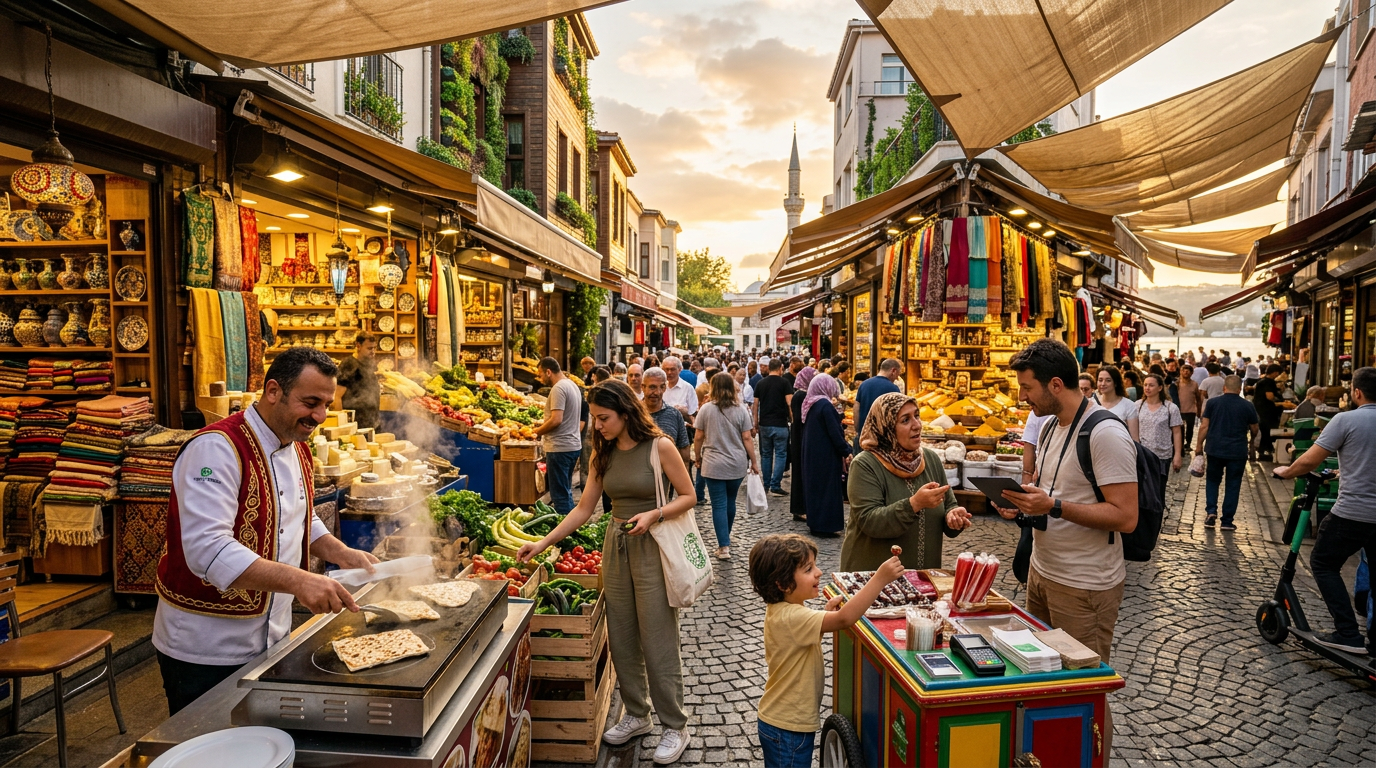
Virtually every craft imaginable found its place within the guild system. From the opulent workshops producing intricate jewelry and textiles for the imperial court to the bustling bakeries feeding the populace, the guilds defined the economic landscape. The Grand Bazaar and the Spice Bazaar, iconic landmarks of Istanbul even today in 2026, were once hubs regulated by numerous guilds, each specializing in distinct goods. The legacy of these crafts continues to draw tourists and admirers globally.
Metalworking, ceramics, calligraphy, leatherwork, and textile production were particularly renowed. The detailed regulations ensured that the quality of goods produced in Istanbul was consistently high, contributing to the city's reputation as a center of exquisite craftsmanship across the Ottoman world and beyond. The UNESCO website provides further insights into the importance of preserving traditional crafts globally.
Examples of Prominent Guilds and Their Contributions
- Goldsmiths (Kuyumcular Loncası): Produced stunning jewelry and intricate metalwork, often for the imperial treasury and elite.
- Leatherworkers (Saraçlar Loncası): Essential for saddles, boots, and various everyday goods. Their skills were crucial for trade and daily life.
- Textile Weavers (Dokumacılar Loncası): Famous for silk, wool, and cotton products, their fabric adorned homes and palaces. The exquisite patterns and dyes are still a source of inspiration, influencing even Istanbul's Time-Traveling Textiles: Weaving Stories from Byzantine Silks to 2026's Fashion Forward Designs.
- Bakers (Ekmekçiler Loncası): Provided daily bread, a staple of the city's diet, ensuring consistent quality and availability.
The Decline and Legacy of Istanbul Ancient Guilds
The 19th century brought significant changes that gradually led to the decline of the traditional guild system. Industrialization, coupled with reforms aiming to modernize the Ottoman state, began to erode the guilds' power. New economic policies favoring free trade and mass production challenged the guilds' protectionist practices and localized control. The Tanzimat reforms, in particular, sought to dismantle aspects of the old order, including the monopolies held by guilds.
However, the spirit and influence of the Istanbul ancient guilds did not simply vanish. Many of their traditions, craftsmanship, and even their organizational principles found new forms in modern associations and unions. The emphasis on quality, apprenticeship, and communal responsibility continues to resonate in Turkey's craft sectors. As of 2026, many artisans in Istanbul still uphold the high standards and dedication to their craft, echoing the legacy of their guild predecessors. To see how these traditions persist, consider visiting workshops highlighted in Istanbul's Vanishing Trades: Documenting the City's Last Traditional Artisans in 2026.
Factors Leading to Decline and Enduring Influence
- Industrial Revolution: Mass production made handmade goods less competitive, diminishing the guilds' economic stronghold. Information on the impact of industrialization on craft can be found on encyclopedic sites like Britannica's Industrial Revolution overview.
- Tanzimat Reforms: These 19th-century reforms aimed to centralize state power and liberalize the economy, undermining guild autonomy and monopolies.
- Modernization: The shift towards modern economic structures and labor laws eventually rendered the traditional guild system obsolete.
- Enduring Craftsmanship: Despite their formal dissolution, the ethos of quality, skill transfer, and community lives on in countless artisanal workshops throughout Istanbul, perpetuating the spirit of the Istanbul ancient guilds.
Rediscovering Guild Heritage in Modern Istanbul (2026)
Today, as Istanbul continues to thrive as a global center, the legacy of its ancient guilds remains a fascinating subject for historians, artisans, and tourists alike. Walking through the historical districts, one can still observe the 'han's (caravanserais) and 'çarşı's (bazaars) that were once vibrant guild headquarters and marketplaces. These architectural relics serve as tangible reminders of a meticulously organized past.
In 2026, contemporary craftspeople and organizations are actively working to preserve and revive traditional Turkish arts, drawing inspiration from the rigorous standards and community spirit of the old guilds. Exhibitions, workshops, and cultural programs regularly highlight the importance of these historical foundations, ensuring that future generations appreciate the depth and heritage of Istanbul's economic and artistic journey. The unwavering dedication to craft, passed down through generations, is a testament to the profound impact these associations had on the economic and cultural landscape of a truly unique metropolis. Further exploration into the city's design evolution can be found in Istanbul's 'Future Echoes': Unveiling Tomorrow's City Through Innovation & Sustainable Design in 2026, showcasing how past foundations influence future visions. Another perspective on traditional arts and modern interpretations can be gained by exploring Major Art Galleries and Museums in Istanbul.