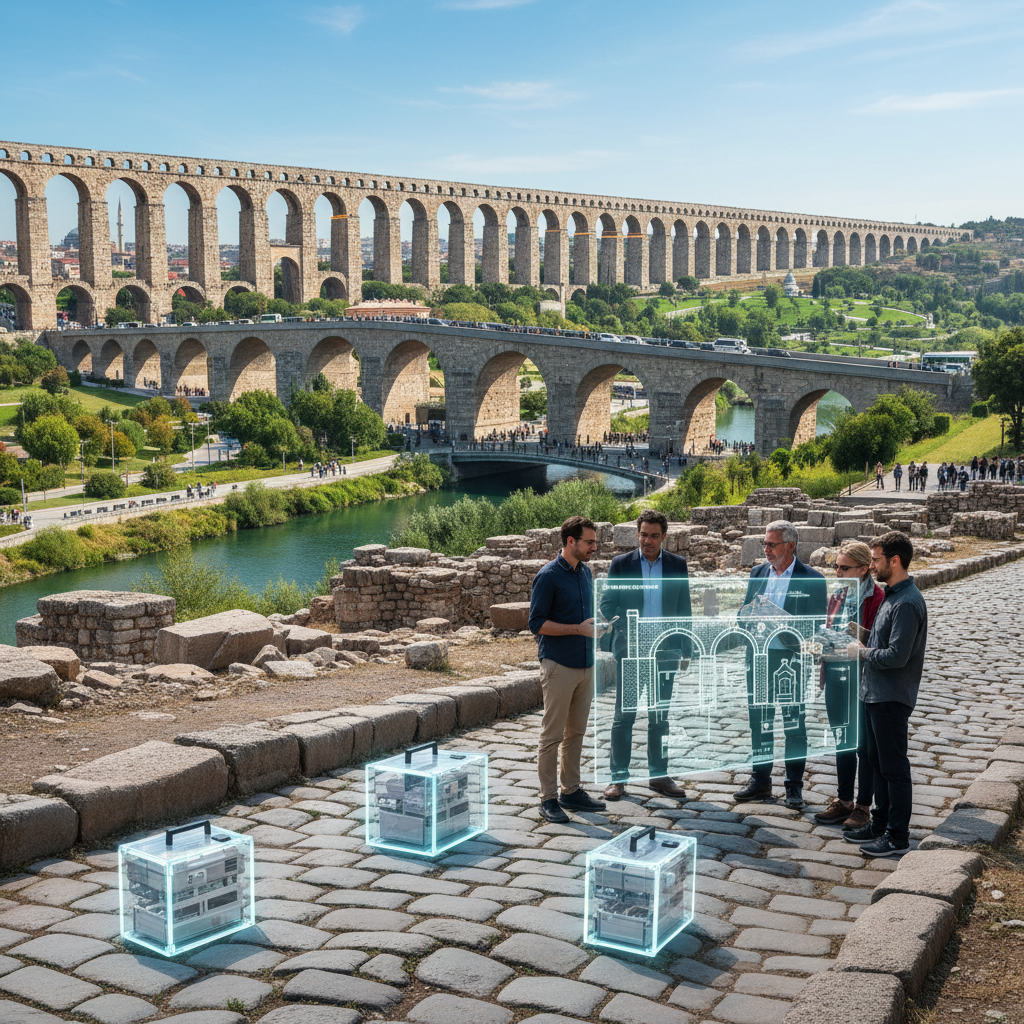
Istanbul Ancient Engineering: Roads, Bridges & Aqueducts
In 2026, the magnificent city of Istanbul continues to astound visitors and researchers alike with its phenomenal legacy of engineering marvels. From the foundational structures laid by Roman emperors to the sophisticated water systems of the Ottomans, Istanbul ancient engineering represents a continuous narrative of innovation and human ingenuity across millennia. This post delves into the enduring impact of these historical constructions, showcasing how the city's past continues to shape its present and future.
The Roman Foundations of Istanbul Ancient Engineering
The story of Istanbul's architectural prowess begins with the Romans. Originally known as Byzantium, the city was transformed into a bustling imperial capital by Emperor Constantine the Great in the 4th century CE, renamed Constantinople. This era saw remarkable advancements in urban planning and infrastructure, many of which are still discernible today. The ingenuity of Istanbul ancient engineering truly began here.
Notably, the Romans were masters of logistics and construction. Their roads, bridges, and water supply systems laid the groundwork for the future development of the city. These early projects demonstrate an unparalleled understanding of materials, hydraulics, and structural integrity.
Roman Roads: The Artery of an Empire
Indeed, Roman roads were meticulously designed infrastructure, often incorporating drainage systems and solid foundations. These innovations allowed them to withstand heavy use and varying weather conditions. The enduring quality of this Istanbul ancient engineering is a testament to its builders.
- Via Egnatia: While not directly within modern Istanbul, this critical Roman road connected Rome to its eastern provinces, ending near Byzantium. It facilitated trade, military movements, and cultural exchange, showcasing the ambition of Roman engineering.
- City Streets: Within Constantinople, well-paved streets and avenues, often adorned with colonnades, formed an efficient network for transport and commerce. The Mese (Middle Street) was the primary thoroughfare, connecting key administrative and public buildings.
The Golden Horn Bridges and Early Aqueducts
While large stone bridges across the Golden Horn were predominantly Byzantine and Ottoman, early Roman settlements utilized simpler pontoon or wooden structures. Significantly, the Romans began the ambitious project of bringing fresh water to the city over vast distances. This was a crucial aspect of Istanbul ancient engineering.
- Valens Aqueduct (Bozdoğan Kemeri): Though substantially rebuilt by later emperors, its origins lie in Roman ingenuity. This colossal structure, still standing prominently in Fatih, was vital for supplying water to the city's numerous fountains, baths, and palaces.
- Early Cisterns: Underground water reservoirs, like the Basilica Cistern, were initiated during the Roman period. This demonstrated an early awareness of water storage and management, crucial for a growing metropolis.
Byzantine Brilliance: Fortifications and Water Management
Following the Roman period, the Byzantine Empire inherited and significantly expanded upon the existing infrastructure. For over a thousand years, Constantinople remained a defensive stronghold and a center of culture and trade, largely due to its superior engineering. Moreover, the Byzantines perfected the art of fortification and developed elaborate water supply and storage systems. Their contributions to Istanbul's ancient waterways are among the most impressive feats of the medieval world, ensuring the city's longevity. This era further solidified the legacy of Istanbul ancient engineering.
The Theodosian Walls: An Unyielding Defense
The most iconic example of Byzantine military engineering is undoubtedly the Theodosian Walls. Built in the 5th century CE, this triple-layered defensive system effectively protected Constantinople from numerous sieges for centuries. Still largely intact in 2026, they serve as a powerful reminder of Byzantine strategic brilliance.
- Triple Layer System: Comprising a main wall, an outer wall, and a moat, interspersed with numerous towers, these walls created an almost impregnable barrier.
- Earthquake Resistance: The walls were designed with internal arches and flexible masonry, enabling them to withstand frequent earthquakes. This was a testament to advanced architectural understanding.
Studying these walls provides invaluable insights into medieval military architecture and the innovative approaches taken in Istanbul's ancient inscriptions to ensure the city's security. They are a prime example of Istanbul ancient engineering.
Advanced Hydraulic Systems: Cisterns and Aqueducts
The Byzantines continued to expand and maintain the Roman water supply network. The city's vast population required a constant and reliable source of fresh water, leading to the construction of numerous elaborate cisterns. Consequently, these systems showcase remarkable foresight and technical skill, defining a key aspect of Istanbul ancient engineering.
- Basilica Cistern (Yerebatan Sarnıcı): The largest of the Byzantine underground cisterns, it could hold an astounding 80,000 cubic meters of water. Its intricate brickwork and column support system are engineering marvels.
- Binbirdirek Cistern (Philoxenos Cistern): Another grand subterranean reservoir, showcasing the Byzantines' commitment to water security and their mastery of underground construction techniques.
Ottoman Mastery: The Grandeur of Aqueducts and Bridges
With the conquest of Constantinople in 1453, the Ottoman Empire inherited a city with a rich engineering heritage. Rather than dismantle, the Ottomans often rehabilitated and expanded upon existing structures, while also embarking on ambitious new projects. These projects reflected their unique architectural style and advanced technical skills. Furthermore, the Ottoman period brought new styles and solutions to civic infrastructure. Their aqueduct systems, in particular, are among the most sophisticated of their time, vital for the continued growth and prosperity of the imperial capital. This period significantly advanced Istanbul ancient engineering.
The Kırkçeşme Water System: A Network of Life
Under the patronage of Sultan Suleiman the Magnificent, the architect Mimar Sinan designed and oversaw the construction of the Kırkçeşme (Forty Fountains) water supply system in the 16th century. This was an astonishing feat of Istanbul's ancient water systems, bringing water from the Belgrade Forest to the city via a complex network of aqueducts, tunnels, and distribution nodes. It stands as a testament to Istanbul ancient engineering.
- Mağlova Aqueduct: The most impressive structure within the Kırkçeşme system, this double-decked aqueduct is a stunning example of Ottoman masonry and hydraulic engineering, still standing majestically in 2026.
- Uzunkemer (Long Aqueduct): Another monumental part of the system, demonstrating the scale and ambition of Ottoman public works.
These aqueducts are not merely functional; they are also aesthetically magnificent. They blend seamlessly with the natural landscape and showcase the Ottoman understanding of both utility and beauty in their constructions.
Beyond the Visible: Subterranean Marvels and Urban Planning
Istanbul ancient engineering isn't solely about the grand, visible structures. Much of its genius lies beneath the surface, in the intricate networks of cisterns, sewage systems, and urban planning that supported millions over centuries. Indeed, these less-seen elements maintained public health and ensured the city's functionality. The continuity of urban planning principles, from Roman grids to Byzantine fortification strategies and Ottoman civic improvements, highlights a persistent theme of adaptability and innovation. The depth of Istanbul ancient engineering is truly remarkable.
Historical Drainage and Sewage
While often overlooked, sophisticated drainage and sewage systems were crucial for maintaining hygiene in such a densely populated city. Roman and Byzantine engineers developed underground channels that were maintained and often upgraded by the Ottomans. These systems represent an advanced understanding of public health for their respective eras, making Istanbul's infrastructure an exemplar of historical hydraulic engineering. This aspect of Istanbul ancient engineering is often underestimated.
In 2026, archaeological investigations continue to uncover details about these subterranean networks, providing fresh insights into the daily lives and technical capabilities of past inhabitants. To learn more about the ongoing efforts to document Istanbul's hidden past, see articles from the Archaeological Institute of America.
Conclusion: The Enduring Legacy of Istanbul Ancient Engineering
From the robust Roman roads that first scarred the Anatolian landscape to the awe-inspiring Byzantine walls that stood sentinel for a millennium, and the elegant Ottoman aqueducts that quenched a city's thirst, Istanbul ancient engineering is a story of unparalleled achievement. The structures discussed here are more than just old buildings; they are living testaments to human perseverance, ingenuity, and the relentless drive to build, adapt, and improve.
As we navigate Istanbul in 2026, the echoes of this ancient engineering are everywhere. They subtly shape the city's contours, influence its architecture, and continue to serve purposes thousands of years after their initial construction. For any visitor or resident, understanding these historical foundations enriches the experience of one of the world's truly great cities. For further reading on Istanbul's historical infrastructure, consult resources like UNESCO's World Heritage Convention. The legacy of Istanbul ancient engineering continues to inspire.