Istanbul Ancient Culinary History: A Gastronomic Journey
Embark on a captivating journey through time as we delve into the rich and complex tapestry of Istanbul ancient culinary history. From its origins as Byzantion, then the glorious Constantinople, and finally modern Istanbul, this city has been a crossroads of empires, cultures, and, crucially, cuisines. In 2026, researchers and food enthusiasts continue to unearth fascinating insights into the gastronomic traditions that shaped this metropolis. This exploration reveals not just what people ate, but how food influenced their daily lives, rituals, and societal structures. Understanding Istanbul's ancient culinary history offers a unique lens into its vibrant past.
The Byzantine Roots of Ancient Istanbul's Cuisine
The culinary landscape of early Istanbul, then Constantinople, was profoundly influenced by its Byzantine heritage. As the capital of the Eastern Roman Empire, the city enjoyed access to a vast array of ingredients and cooking techniques. It blended influences from Greece, Rome, the Near East, and beyond. In fact, this era laid foundational elements for Istanbul ancient culinary history. For more on the city's structural past, see our article on Istanbul's Ancient Engineering.
Staples of the Byzantine Table
- Bread: A cornerstone of the diet, from simple loaves to elaborate festive breads. Each social class had its preferred types.
- Olives and Olive Oil: Essential for cooking, preservation, and even lighting. The region's abundant olive groves were a vital resource.
- Wine: Widely consumed, often diluted with water. Byzantine vineyards produced diverse varieties of both red and white wines.
- Fish: Given Istanbul's strategic location on the Bosphorus, fresh and preserved fish played a significant role in the diet, especially during fasting periods.
Byzantine cuisine was characterized by a sophisticated use of spices, often imported from afar, and intricate dishes. These reflected the opulence of the imperial court. Moreover, fasting periods, dictated by the Orthodox Christian calendar, heavily influenced meal planning and ingredient choices, leading to a rich tradition of Lenten dishes, all part of Istanbul ancient culinary history.
Ottoman Gastronomy: A Golden Age in Istanbul's Culinary Evolution
With the Ottoman conquest in 1453, Constantinople was reborn as Istanbul. Consequently, its culinary scene embarked on another extraordinary transformation. The Ottoman Empire, spanning three continents, brought an unparalleled wealth of ingredients, cooking styles, and culinary knowledge to the city. This created what many consider a golden age of cuisine and greatly enriched Istanbul ancient culinary history. Delve deeper into the city's past by exploring its ancient games and entertainment.
The Imperial Kitchens and Their Influence
The Topkapi Palace kitchens were not merely places for preparing food; they were vibrant centers of culinary innovation and cultural exchange. Hundreds of chefs, specializing in everything from pastries to pilafs, worked tirelessly to cater to the Sultan and his court. This professionalization of cooking diffused outwards, influencing the city's broader food culture.
- Diversity of Ingredients: Spices from India, rice from Egypt, coffee from Yemen, and vegetables from across the empire flowed into Istanbul.
- Sophisticated Techniques: Ottoman chefs mastered complex cooking methods, including slow-cooking, elaborate pastry making, and the art of preserving fruits and vegetables.
- Sweets and Desserts: The Ottomans are credited with popularizing many beloved Turkish desserts. These include baklava, halva, and various fruit compotes, which remain central to Istanbul ancient culinary history. You can find more about these delightful traditions on the Historic Turkish Desserts website.
- Coffee Culture: Istanbul became the cradle of coffee culture, with the first coffee houses emerging in the 16th century. This rapidly spread the social ritual of coffee drinking across the globe.
The culinary legacy of the Ottoman Empire is still keenly felt in Turkish cuisine today. Many dishes trace their roots directly back to this period. Indeed, the emphasis on fresh, seasonal ingredients, balanced flavors, and generous hospitality are enduring traditions that define Istanbul ancient culinary history.
Food as a Social and Cultural Barometer in Ancient Istanbul
Beyond mere sustenance, food in ancient Istanbul played a crucial role in defining social status, religious identity, and community bonds. Feasts, festivals, and daily meals all carried symbolic weight. They offered insights into the societal structure and cultural values of the time. The role of communal dining is a fascinating aspect of Istanbul ancient culinary history. Discover more about how communities thrived through Istanbul's ancient guilds and crafts.
Dining Customs and Etiquette
From the formal banquets of sultans and emperors to the simpler meals shared by common folk, dining customs were often intricate. They reflected social hierarchies. Specific dishes were reserved for certain occasions, and the manner of serving and eating could indicate one's place within society. Additionally, the sharing of food was a powerful social lubricant.
Public kitchens and charitable foundations (imarets) provided food for the poor and travelers. This highlights a societal commitment to hospitality and welfare that has deep roots in Istanbul ancient culinary history. For an anthropological perspective on food and society, you might find this Oxford Handbook of Food and Anthropology insightful. These institutions played a vital role in maintaining social cohesion.
Preserving the Flavors of Istanbul's Ancient Culinary History into 2026
In 2026, considerable efforts are being made to preserve and revive the forgotten flavors and techniques of Istanbul ancient culinary history. Culinary historians, archaeologists, and modern chefs are collaborating to decipher ancient texts, analyze archaeological findings, and recreate historical recipes. This ongoing research ensures that the city's rich gastronomic heritage is not lost to time. For a deeper understanding of historical preservation, consider checking out resources from the International Council on Monuments and Sites (ICOMOS).
Modern Approaches to Ancient Recipes
- Academic Research: Universities and historical institutions are publishing extensively on the topic, translating old cookbooks and culinary manuscripts.
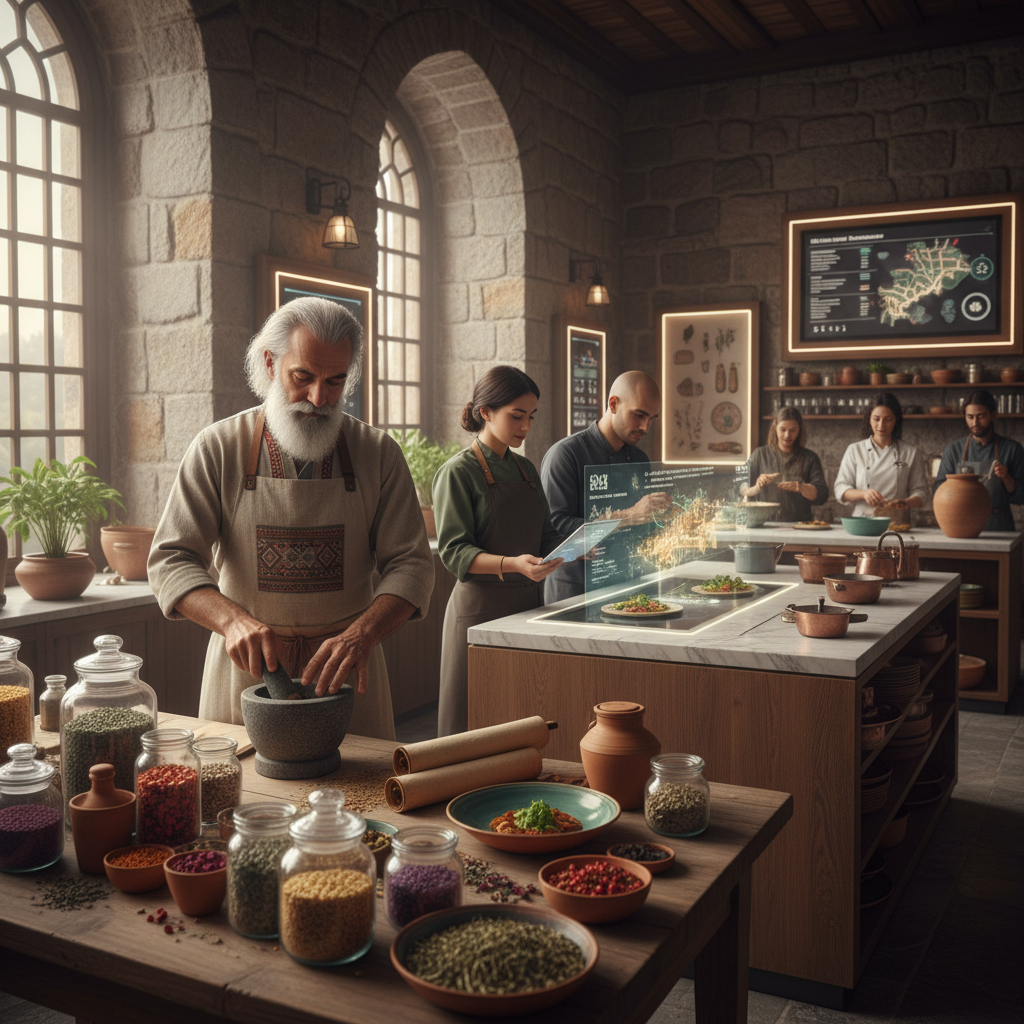
- Experimental Archaeology: Recreating dishes using historically accurate ingredients and cooking methods to understand the taste and experience of ancient meals.
- Gastronomy Tourism: Restaurants and tours are increasingly focusing on historical cuisine, offering visitors an authentic taste of Istanbul's past.
- Documentaries and Media: High-quality productions are bringing the stories of ancient food to a wider global audience, showcasing the depth of Istanbul ancient culinary history.
The modern culinary scene in Istanbul often draws inspiration from these historical roots. It incorporates traditional ingredients and time-honored techniques into contemporary dishes. This fusion ensures a vibrant and evolving food culture that respects its magnificent past. Get a taste of how these traditions are maintained with our article on Istanbul's Time-Traveling Tables.
Exploring Istanbul ancient culinary history is more than just a gastronomic adventure; it's a journey through the heart of a city that has served as a beacon of civilization for millennia. Each dish, each spice, and each culinary custom tells a story of empires rising and falling, cultures blending, and humanity's enduring connection to the universal pleasure of food. The rich tapestry of Istanbul's ancient culinary history continues to inspire and delight.