Bosphorus Travel Guide: Navigating the Strait's Charms by Land and Sea
Welcome to our comprehensive Bosphorus travel guide, your ultimate companion for exploring the majestic waterway that divides Istanbul, and indeed, two continents. The Bosphorus Strait is not just a geographical marvel; it's a vibrant artery steeped in history, culture, and breathtaking scenery. Whether you're a first-time visitor or a seasoned traveler, this guide will unlock the secrets of experiencing the Bosphorus to its fullest, ensuring an unforgettable journey through its unique allure.
Understanding the Bosphorus: A Gateway Between Continents
The Bosphorus Strait is a natural strait and internationally significant waterway located in northwestern Turkey. It forms part of the continental boundary between Europe and Asia, and separates Asian Turkey from European Turkey. This strategic location has made it a crucial point for trade, migration, and geopolitical power throughout history.
Its deep blue waters are a testament to centuries of tales, from ancient empires to modern-day bustling city life. A significant portion of Istanbul's identity is intrinsically linked to the Bosphorus, making any visit incomplete without experiencing its grandeur. Our Bosphorus travel guide will highlight how to best appreciate its unique character, delving into Istanbul's Time-Traveling Trails.
Historical Significance of the Bosphorus
- Named from Greek mythology, meaning "ox-ford" or "cow passage."
- Played a pivotal role in the Roman, Byzantine, and Ottoman Empires.
- Crucial for trade routes connecting the Black Sea to the Aegean and Mediterranean Seas.
- Witnessed countless battles, sieges, and diplomatic maneuvers.
Geographical Features and Ecology
The Bosphorus is approximately 31 kilometers (19 miles) long, with a width varying from 700 meters to 3,700 meters. Its depth ranges from 33 to 80 meters. The strait is characterized by two distinct current systems:
- Surface current: Flows from the Black Sea to the Sea of Marmara, carrying oxygen-rich, less saline water.
- Undercurrent: Flows in the opposite direction, from the Sea of Marmara to the Black Sea, carrying highly saline water.
This dynamic environment supports a rich marine ecosystem, though it faces challenges from urban development and pollution. Birdwatchers will also find the Bosphorus a fantastic spot, especially during migratory seasons.
Cruising the Bosphorus: The Ultimate Bosphorus Travel Guide Experience
The most iconic way to experience the Bosphorus is by taking a boat tour. Various options cater to different budgets and preferences, each offering a unique perspective of Istanbul's magnificent skyline, historic waterfront mansions, and vibrant neighborhoods.
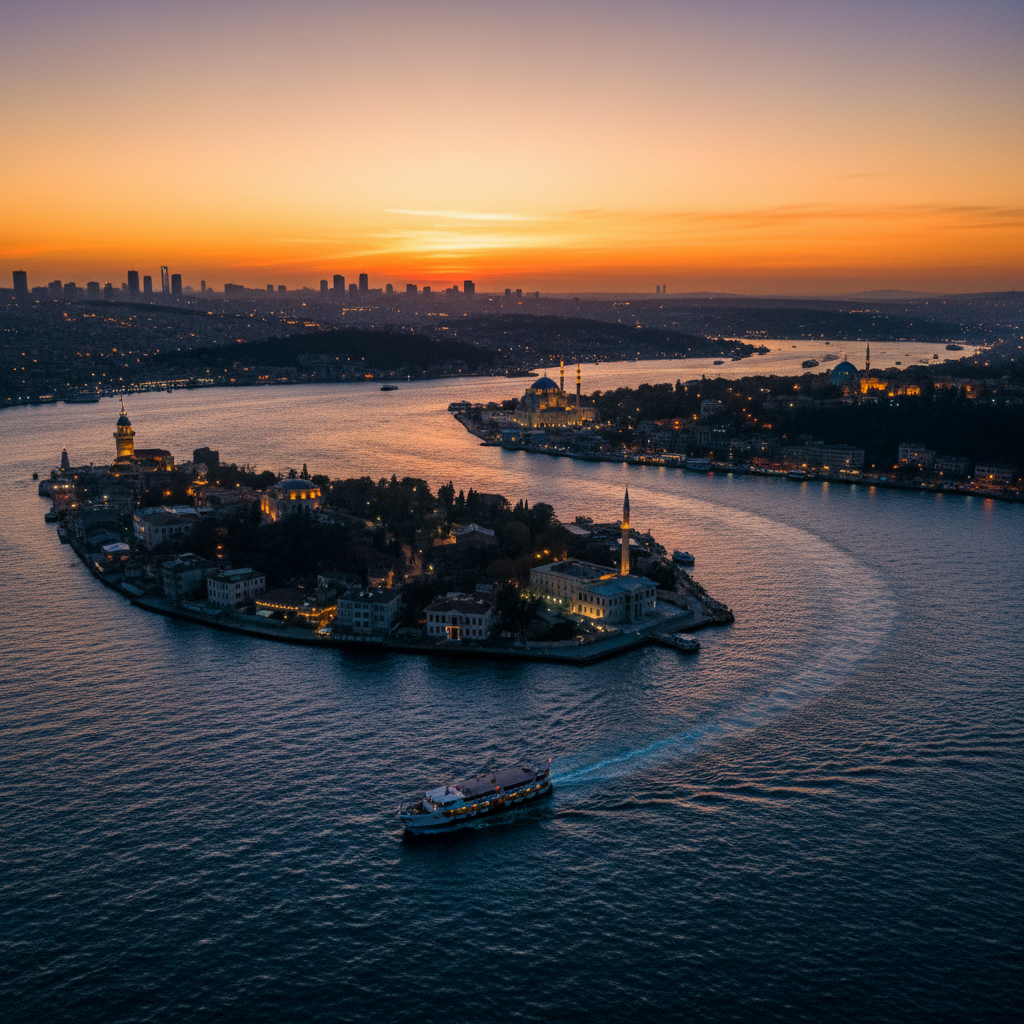
A Bosphorus cruise provides unparalleled views of landmarks like Dolmabahçe Palace, Rumeli Fortress, and the iconic Bosphorus bridges. It's an essential part of any Bosphorus travel guide recommendations.
Public Ferries vs. Private Tours
- Public Ferries (Şehir Hatları): These are the most economical option. They offer regular services, often with stops at various points along the strait. A full-length Bosphorus cruise can take around 1.5 to 2 hours one way.
- Private Tours/Yacht Charters: For a more luxurious and personalized experience, private tours offer flexibility in itinerary, often including meals and customized stops. This is perfect for special occasions or groups.
- Hop-on Hop-off Boats: Some companies offer flexible tickets allowing you to disembark at various stops and re-board later, giving you the freedom to explore at your own pace.
What to See During a Bosphorus Cruise
As you glide along the waters, keep an eye out for these significant sights:
- Dolmabahçe Palace: A stunning 19th-century Ottoman palace with elaborate architecture. Learn more about the Ottoman Empire's architectural legacy via an external resource on Ottoman art and architecture.
- Ortaköy Mosque: A beautiful neo-baroque mosque perched right on the water's edge.
- Maiden's Tower (Kız Kulesi): A legendary tower situated on a small islet, shrouded in myths.
- Rumeli Fortress (Rumeli Hisarı): An impressive Ottoman fortress built to control the Bosphorus.
- Anadolu Fortress (Anadolu Hisarı): Its older, smaller counterpart on the Asian side.
- Ottoman Yalis: Grand wooden mansions lining both shores, showcasing exquisite architecture and historical charm.
- Bosphorus Bridges: The 15 July Martyrs Bridge and Fatih Sultan Mehmet Bridge connecting Europe and Asia.
Exploring the Bosphorus by Land: Beyond the Water
While a cruise is essential, exploring the Bosphorus by land offers a different, more intimate perspective. This Bosphorus travel guide encourages you to wander through its charming coastal neighborhoods, discover Istanbul's hidden gems, and experience local life.
From bustling fish markets to serene parks, the Bosphorus coastline is teeming with attractions. You can combine a land exploration with a short ferry ride to experience both dimensions.
Charming Neighborhoods on the European Side
- Bebek: Known for its upscale cafes, trendy restaurants, and scenic promenade. Perfect for a leisurely walk.
- Arnavutköy: Famous for its well-preserved Ottoman wooden houses and lively seafood restaurants.
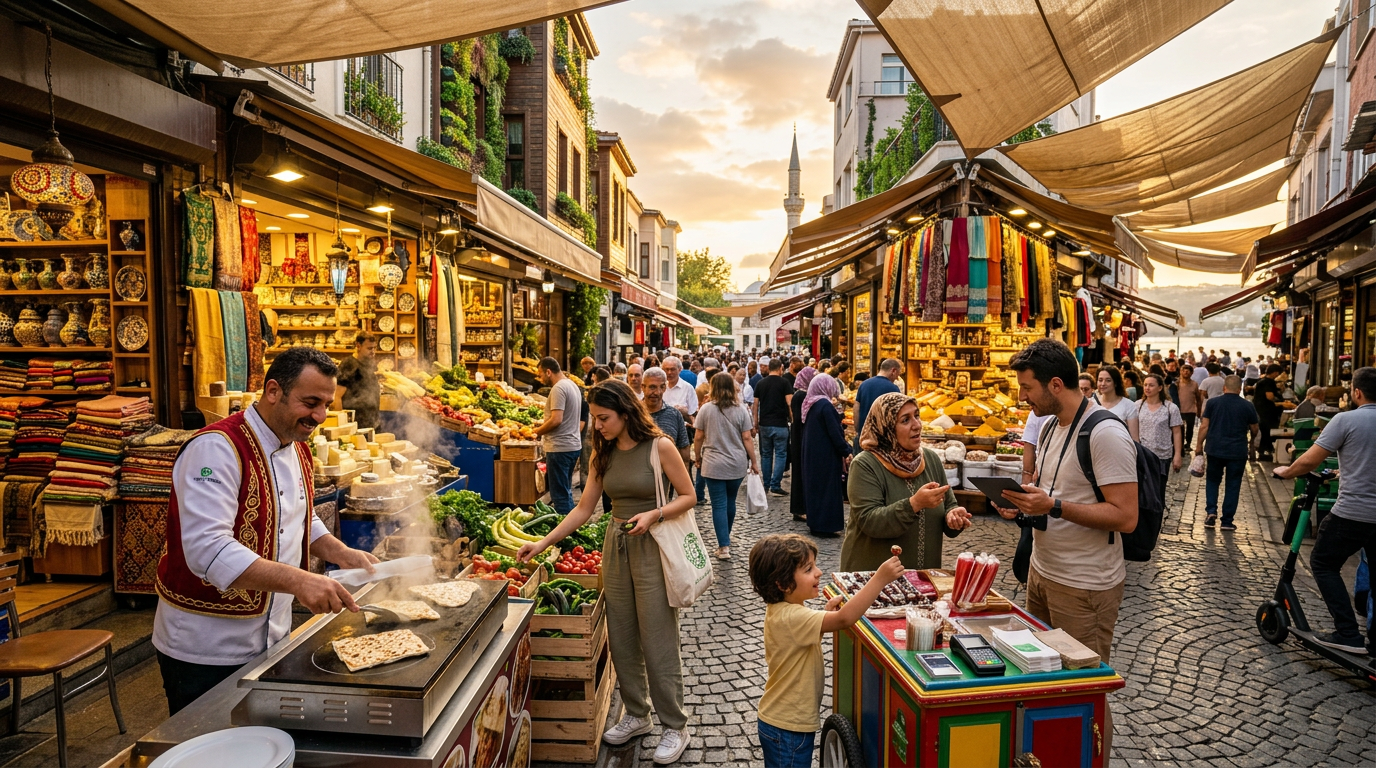
- Ortaköy: A vibrant square with street vendors selling kumpir (baked potatoes) and waffles, and its iconic mosque.
- Sariyer: A historic fishing town at the northern end of the Bosphorus, known for its fresh fish and local atmosphere.
Discovering the Asian Side of the Bosphorus
- Kuzguncuk: A peaceful, picturesque neighborhood known for its historic wooden houses and multicultural community, featuring mosques, churches, and synagogues side-by-side.
- Çengelköy: Famous for its seaside tea gardens and cucumber (Çengelköy hıyarı). A lovely spot to relax and watch the Bosphorus traffic.
- Kandilli: Home to several beautiful yalis and a more tranquil atmosphere, offering stunning views of the European side.
- Beylerbeyi: Dominated by Beylerbeyi Palace, a beautiful summer residence of the Ottoman sultans.
- Anadolu Kavağı: A charming fishing village at the northernmost point on the Asian side, offering fresh seafood and a hike up to Yoros Castle.
Culinary Delights Around the Bosphorus
No Bosphorus travel guide would be complete without mentioning the incredible culinary experiences available along its shores. The Bosphorus is a foodie's paradise, offering everything from exquisite fine dining to casual street food, truly part of Istanbul's Culinary Crossroads.
Fresh seafood is a highlight, with numerous restaurants serving daily catches. Additionally, you can find traditional Turkish breakfasts, delectable desserts, and refreshing beverages with stunning views.
Must-Try Foods and Drinks
- Fresh Fish: Particularly seasonal catches like lüfer (bluefish), palamut (bonito), and hamsi (anchovies). Learn more about sustainable seafood in Turkey.
- Kumpir: A giant baked potato with various fillings, especially popular in Ortaköy.
- Waffles: Sweet treats also famous in Ortaköy, with endless topping combinations.
- Simit: A sesame-crusted bread ring, perfect for a quick snack.
- Boza: A traditional fermented drink, especially enjoyed in colder months.
- Turkish Tea and Coffee: Enjoyed at countless cafes with scenic views.
Best Dining Spots with a Bosphorus View
Many restaurants offer magnificent views of the Bosphorus, enhancing your dining experience. From upscale establishments in Bebek and Arnavutköy to casual fish restaurants in Sariyer and Anadolu Kavağı, there's something for everyone. Consider making reservations for popular spots, especially during peak season or for a special evening out. This Bosphorus travel guide suggests experiencing at least one meal with a view.
Practical Tips for Your Bosphorus Travel Guide Journey
To make the most of your Bosphorus adventure, here are some practical tips to keep in mind. Careful planning can significantly enhance your experience and help you navigate the city with ease.
Getting Around
- Public Transportation: Istanbul has an extensive public transport network, including buses, trams, metros, and ferries. An Istanbulkart is essential for seamless travel.
- Taxis: Readily available, but be aware of traffic, especially during rush hour.
- Walking: Many Bosphorus neighborhoods are best explored on foot, allowing you to soak in the atmosphere.
Best Time to Visit
The Bosphorus is beautiful year-round, but each season offers a different charm:
- Spring (April-May) & Autumn (September-October): Pleasant temperatures, fewer crowds, and vibrant colors. Ideal for boat tours and exploring.
- Summer (June-August): Warm and sunny, perfect for evening cruises and outdoor dining, but can be crowded.
- Winter (November-March): Cooler, sometimes rainy, but offers a unique, serene beauty and cozy experiences.
Photography Tips for the Bosphorus
The Bosphorus offers countless photo opportunities. Here are a few tips:
- Golden Hour: Sunrise and sunset provide stunning light for capturing the Bosphorus and its landmarks.
- Zoom Lens: Useful for capturing details of distant yalis and fortresses from a boat.
- Wide-Angle Lens: Great for panoramic shots of the strait and city skyline.
- Stability: On a boat, brace yourself to minimize camera shake, especially if the water is choppy.
We hope this comprehensive Bosphorus travel guide inspires you to explore this incredible waterway. From its historical depths to its vibrant modern shores, the Bosphorus promises a truly enchanting experience. Enjoy your journey and don't forget to check out Istanbul Photo Spots for capturing your memories!