Istanbul's Ancient Bells & Whistles: Uncovering the City's Lost Soundscapes and Mechanical Marvels in 2026
In the bustling metropolis of İstanbul, where ancient history collides with vibrant modernity, there’s a fascinating, almost ethereal dimension that often goes unnoticed: the city's Istanbul lost soundscapes. These aren't just sounds from bygone eras; they are the ghost echoes of a vibrant past, a symphony of forgotten mechanical marvels and daily rhythms that once defined the auditory experience of this magnificent city. As we navigate 2026, the quest to rediscover these acoustic heritage gems offers a unique perspective on Istanbul’s rich cultural tapestry.
The Echoes of Time: Understanding Istanbul Lost Soundscapes
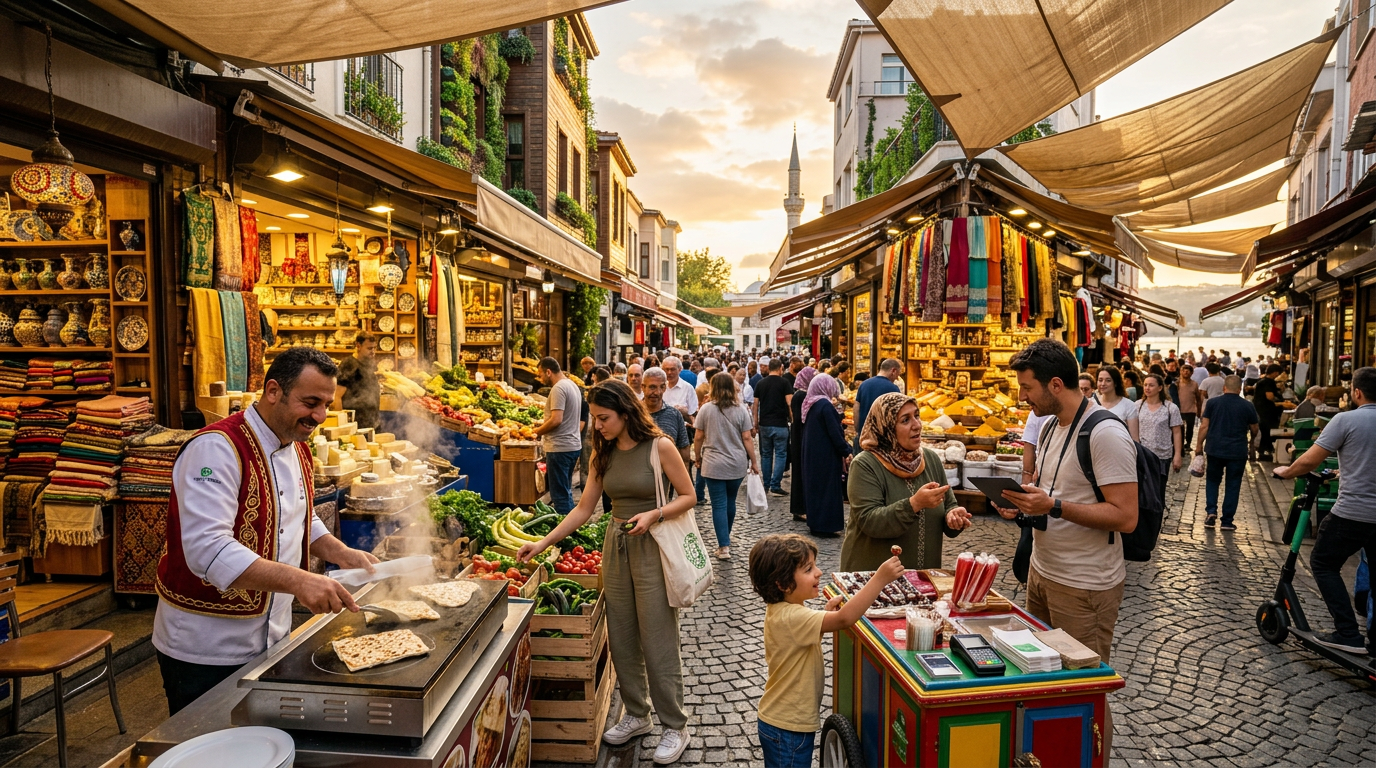
Every city has a unique aural signature, a blend of natural and man-made sounds that form its sonic identity. For Istanbul, this signature has evolved dramatically over centuries. From the clatter of horse-drawn carriages to the resonant calls of street vendors, the city once hummed with a distinct harmony that is largely absent today. The pursuit of understanding these Istanbul lost soundscapes is not merely an academic exercise; it's an immersive dive into the city's social, economic, and technological history.
The sounds people heard shaped their daily lives, their perception of time, and their connection to the urban environment. The absence or change of these sounds tells a story of progress, loss, and adaptation. Imagine a walk through Sultanahmet in the 17th century compared to one in 2026 – the auditory differences would be astounding.
The Significance of Auditory Heritage
- Auditory heritage provides insights into past social structures and economic activities, much like studying Istanbul's Ancient Fortunes.
- It helps us understand the emotional and cultural resonance of a place through time.
- Recovering Istanbul lost soundscapes can foster a deeper appreciation for the city's multifaceted history.
- It offers a unique lens through which to explore historical events and daily life.
Mechanical Marvels and Their Sonic Contributions
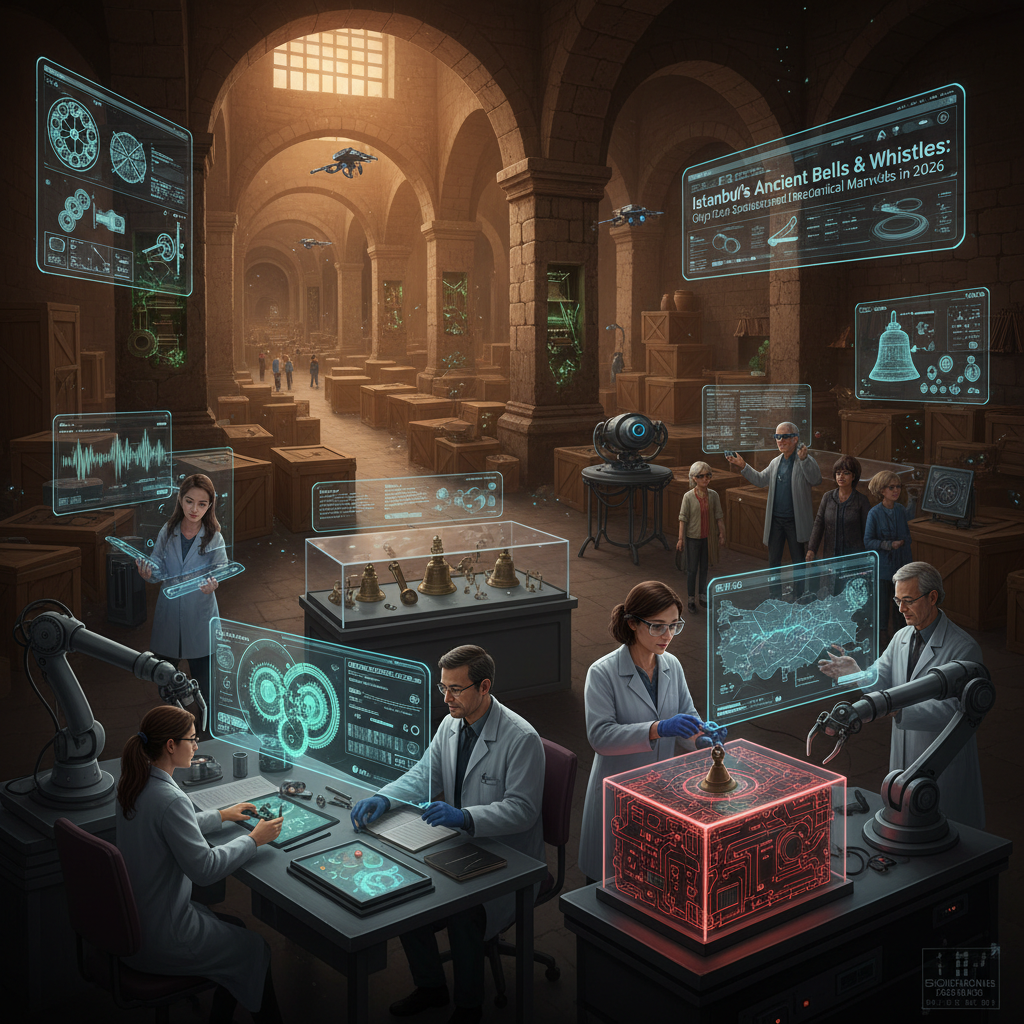
Beyond the organic sounds of human activity and nature, mechanical innovations were crucial contributors to Istanbul's soundscape. From intricate clock mechanisms to early industrial machinery, these devices not only performed vital functions but also added distinct rhythms and tones to the city's auditory fabric. These intricate contraptions, often beautifully crafted, represented the cutting edge of technology in their time.
Consider the elaborate water clocks and various automatons that resided in palaces and wealthy households, each producing unique clicks, whirs, and chimes. These were not just instruments of timekeeping but also symbols of affluence and technological prowess. For a deeper dive into timekeeping history, explore Istanbul's Ancient Clockwork.
Notable Mechanical Contributors to Istanbul's Sounds
- Ottoman Clocks: Grand mosque clocks and palace timepieces, with their intricate gears and striking chimes, marked the hours for the entire city.
- Ferry Whistles: The iconic Bosphorus ferries, even in their earlier, steam-powered iterations, had distinctive whistles that echoed across the water, signalling arrivals and departures, connecting to Istanbul’s ‘Coastal Chronicles’.
- Tram Bells and Whistles: Early tram systems, a relatively modern addition to Istanbul's transport network, introduced a new set of mechanical sounds, distinct from the horse-drawn trolley.
- Artisanal Workshops: The rhythmic sounds of metalworking, woodworking, and weaving from countless workshops contributed a constant, industrious hum to various neighborhoods, a testament to Istanbul's Ancient Guilds and Crafts.
These mechanical elements offer a tangible link to the Istanbul lost soundscapes, providing clues about the ingenuity and daily life of previous generations.
Rediscovering Istanbul Lost Soundscapes Through Research in 2026
In 2026, researchers, historians, and audio ethnographers are adopting innovative methods to reconstruct and understand the Istanbul lost soundscapes. This involves a multidisciplinary approach, combining historical texts, archival recordings, and even speculative acoustic modeling. The goal is to paint a vivid auditory picture of Istanbul across different historical periods.
Historical documents, travelogues, and even Ottoman miniature paintings often contain descriptions or depictions that hint at the sounds of the past. These textual and visual cues are invaluable starting points for any serious reconstruction effort. Imagine reading a traveler's account from the 18th century describing the cacophony of a Grand Bazaar bustling with merchants and street performers; it transports you instantly.
Methods of Auditory Reconstruction
- Archival Research: Sifting through Ottoman Empire archives for mentions of specific sounds, sound-making objects, and daily routines, drawing insights from resources like Istanbul's Ancient Libraries & Unseen Scrolls.
- Oral Histories: Collecting anecdotes and memories from elderly residents who may recall less common sounds from the early to mid-20th century.
- Acoustic Modeling: Using architectural data and known materials to digitally recreate the sound properties of historical spaces.
- Comparative Ethnography: Studying similar traditional crafts and practices in other regions that might offer clues about their historical sounds in Istanbul.
The challenge lies not just in identifying the sounds, but also in understanding their context – how they interacted with each other and how they shaped the daily lives of Istanbul’s inhabitants.
The Sensory Experience: Connecting with the Past Through Sound
Why is it so important to connect with the Istanbul lost soundscapes? Sensory experiences, particularly auditory ones, are incredibly powerful triggers for memory and empathy. By reconstructing these sounds, we can offer visitors and residents alike a more immersive and emotionally resonant understanding of Istanbul's past. A city isn't just seen; it's also heard, smelled, and felt.
Imagine a museum exhibit where, alongside visual artifacts, you could hear the simulated clatter of a horse-drawn carriage on cobblestones, or the distant call to prayer from an ancient minaret, as it would have sounded centuries ago. This type of multi-sensory engagement bridges the gap between historical fact and lived experience.
Impact of Sound on Urban Identity
- Sounds contribute significantly to a city's unique charm and atmosphere.
- Changes in soundscapes reflect societal shifts and technological advancements, similar to the discussions around Istanbul's Evolving Skyline.
- Preserving auditory heritage helps maintain a holistic understanding of urban identity.
- Experiencing historical sounds can deepen emotional connections to a place, offering a sensory journey through time, much like exploring the Sacred Sounds of Istanbul.
Preserving and Presenting Istanbul's Lost Soundscapes for Future Generations
As we move further into the 21st century, in 2026 and beyond, the urgency to preserve and present these acoustic fragments of history grows. Digital archiving, interactive museum exhibits, and even augmented reality experiences offer exciting possibilities for bringing Istanbul’s past sounds to life. This isn't about replacing the present soundscape, but enriching our appreciation for its historical layers.
Projects focused on mapping and digitizing sound memories are crucial. These initiatives ensure that future generations can experience the auditory richness that once characterized İstanbul, preventing these valuable soundscapes from being permanently lost to the annals of history. The city's ancient bells and whistles, its forgotten calls and murmurs, deserve to be heard again. For more insights into preserving historical data in the digital age, see Istanbul's 'Library of the Winds'.
The journey to uncover Istanbul’s lost soundscapes is an ongoing adventure, one that promises to reveal new dimensions of this mesmerizing city and deepen our appreciation for its enduring legacy. For a broader understanding of Istanbul's history and ongoing preservation efforts, visit sites like the UNESCO World Heritage Centre or the British Museum's historical articles on Istanbul.