Istanbul Archaeology Personal Stories: Unearthing Ancient Narratives in 2026
In the vibrant metropolis of Istanbul, where millennia of history ripple beneath the modern cityscape, the pursuit of Istanbul archaeology personal stories continues to fascinate researchers and enthusiasts alike. Far beyond grand palaces and monumental churches, archaeologists are increasingly focusing on the intimate details of daily existence, uncovering the untold narratives of ordinary people who once called this magnificent city home. In 2026, new technologies and interdisciplinary approaches are deepening our understanding of these lives, offering fresh perspectives on Byzantium, Constantinople, and Ottoman Istanbul.
The Human Tapestry: Decoding Istanbul's Personal Stories from the Depths
Every shard of pottery, every discarded coin, and every forgotten burial site holds clues to the individual journeys of Istanbul's past inhabitants. Archaeology in Istanbul is not just about identifying timelines or architectural styles; it's about piecing together the human experience. Researchers are employing sophisticated techniques, such as isotopic analysis of skeletal remains, to determine diets, origins, and even health conditions. This allows for extraordinary insights into the migrations, nutritional habits, and physical burdens faced by people centuries ago. These findings enrich our understanding of Istanbul archaeology personal stories. Learn more about the city's ancient economic activities by reading about Istanbul's Ancient Guilds and Crafts.
Unveiling Daily Routines Through Ancient Artifacts
Artifacts provide a tangible link to the past. They offer invaluable insights into the daily lives of Istanbul's residents.
- Household Items: From cooking utensils to oil lamps, everyday objects paint a vivid picture of domestic life. The types of pottery found, for instance, can indicate social status or trade routes, enriching our understanding of Istanbul archaeology personal stories. For a deeper dive into ancient culinary practices, explore Istanbul's Ancient Culinary Scripts.
- Personal Adornments: Jewelry, combs, and textile fragments reveal fashion trends, aesthetic sensibilities, and sometimes even cultural identities. These items speak directly to individual tastes and societal norms.
- Children's Toys: Discoveries of small figurines, miniature chariots, or even early dice games give us a poignant glimpse into the childhoods of ancient Istanbulites, bridging the vast gap of time with a universal experience.
Echoes from the Grave: Burial Practices and Individual Narratives in Istanbul
Cemeteries and individual graves are invaluable repositories of personal information. The way people were buried, the objects interred with them, and the location of their final resting place all contribute to understanding their lives and the societies they lived in. Moreover, recent archaeological findings in areas like Yenikapı and Saraçhane continue to yield significant data. Analyses in 2026 are further refining our understanding of health, social structures, and religious beliefs prevalent during different historical periods. These discoveries are crucial for piecing together compelling Istanbul archaeology personal stories. You can also uncover more about the city's multicultural past through its burial grounds in Istanbul's Ancient Crossroads: Historic Cemeteries.
What Skeletal Remains Tell Us About Past Lives
Physical anthropologists are excavating and studying human remains with meticulous care. Their findings often reveal profound personal stories, bringing ancient individuals to life.
- Disease and Injury: Evidence of ancient illnesses, healed fractures, or signs of hard labor can directly illustrate the challenges faced by individuals. For example, joint degeneration indicates strenuous physical activity, providing detailed Istanbul archaeology personal stories.
- Diet and Environment: Isotopic analysis of teeth and bones provides clues about dietary staples – whether they consumed more fish, meat, or grains – and their geographical origins, suggesting migration patterns within or to Istanbul. For more on ancient diets, consider consulting studies from institutions like the Dumbarton Oaks Research Library and Collection, which often publish findings on Byzantine foodways.
- Genetic Insights: Advances in ancient DNA analysis are starting to trace family lineages and broader population movements, adding a new layer to our understanding of past populations.
Beyond Emperors: The Common Folk of Constantinople – Istanbul Archaeology Personal Stories
While historical texts often focus on the elite, archaeology has the unique ability to democratize history, granting voices to the unspoken masses. Imagine the life of a fisherman along the Golden Horn, a merchant in the Grand Bazaar of centuries past, or a humble artisan crafting pottery near the Theodosian Walls. Indeed, these are the kinds of Istanbul archaeology personal stories that are increasingly being brought to light. Excavations of residential areas, workshops, and even sewers provide fascinating insights into daily challenges, economic activities, and community life. The Istanbul Archaeology Museums offer excellent exhibits showcasing such finds.
Architectural Traces of Everyday Existence
Architectural remnants reveal much about the typical lives led in Istanbul through the centuries.
- Modest Dwellings: Unlike grand palaces, the remnants of smaller homes reveal typical urban living arrangements, sanitation practices, and domestic organization.
- Workshops and Craftsmanship: Discoveries of tools, raw materials, and half-finished products illuminate the industries that sustained the city and the hands that built its economy, truly encapsulating Istanbul archaeology personal stories. Dive into the history of engineering marvels with Istanbul's Ancient Engineering.
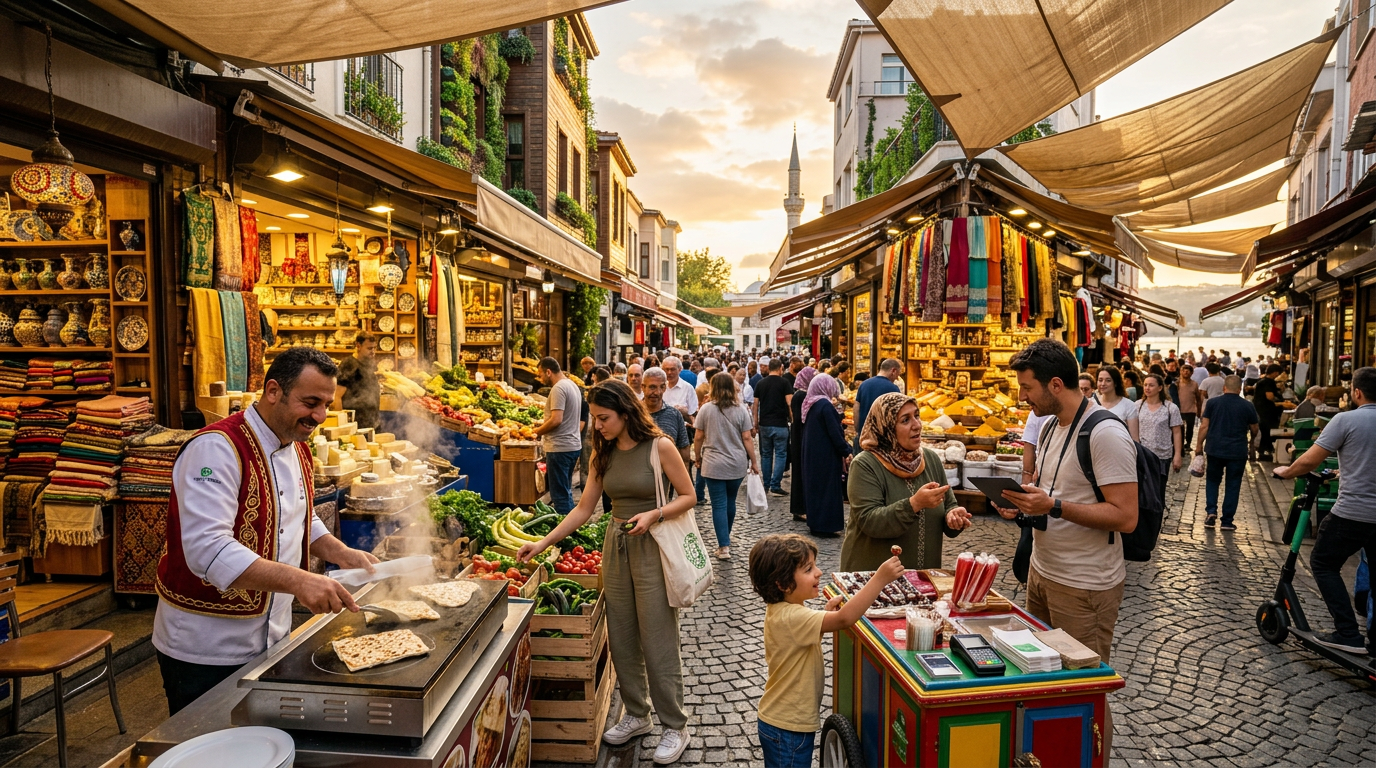
- Marketplaces and Taverns: Archaeological evidence of ancient markets or eating establishments offers glimpses into social interactions, commerce, and culinary habits, portraying vibrant social scenes.
Digital Archaeology and the Future of Uncovering Personal Stories in Istanbul (2026)
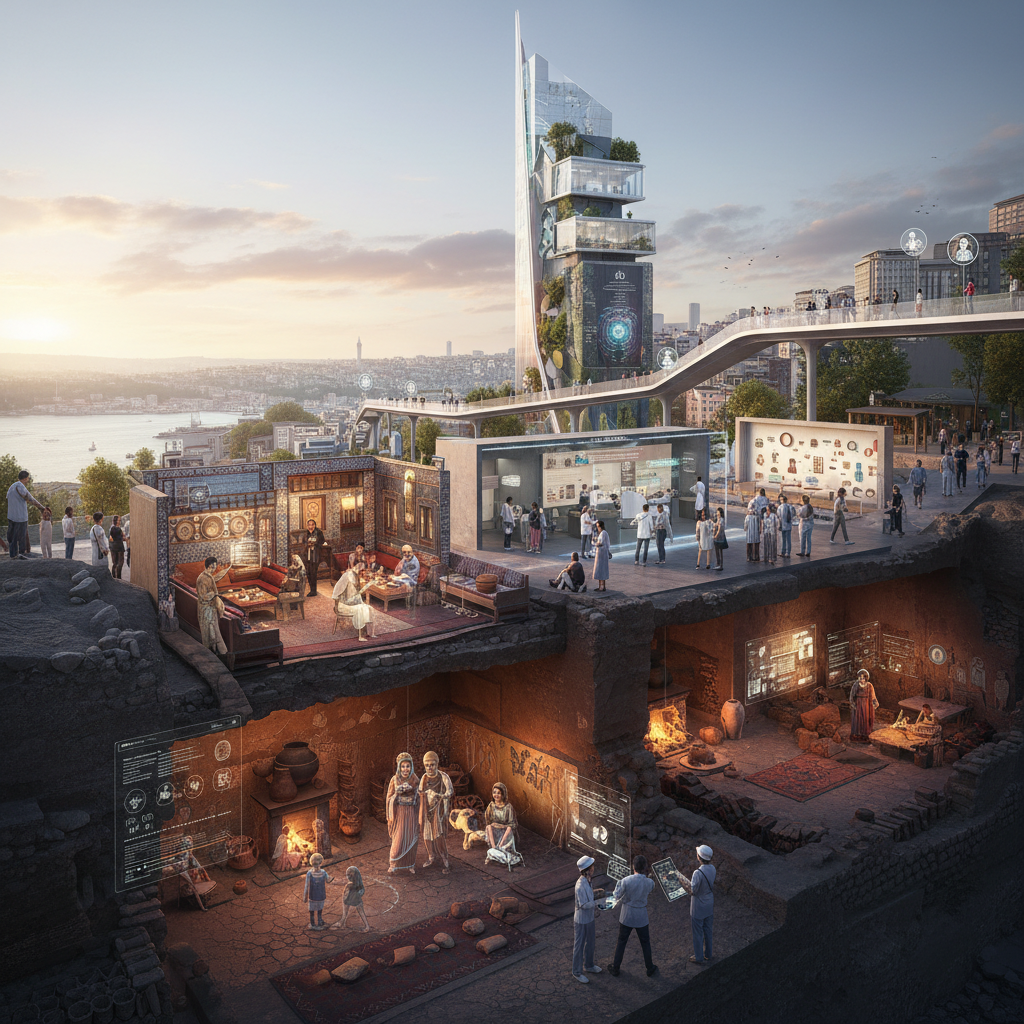
The year 2026 marks a significant period for digital archaeology in Istanbul. Technologies like 3D modeling, virtual reality, and GIS (Geographic Information Systems) are transforming how we analyze and present archaeological data. These tools allow for the reconstruction of ancient environments and the visualization of individual lives within their historical context, making Istanbul archaeology personal stories more accessible than ever. Furthermore, ground-penetrating radar and drone mapping offer non-invasive ways to survey sites, protecting delicate remains while providing comprehensive data. This digital revolution is enhancing our ability to connect individual finds to broader historical narratives. For insights into the city's evolving landscape, see Istanbul's Evolving Skyline.
Innovative Approaches to Sharing Ancient Lives
Museums and educational institutions are leveraging these digital tools to create immersive experiences. Visitors can virtually walk through a Byzantine neighborhood or explore an Ottoman household, truly stepping into the shoes of past Istanbulites.
- Virtual Reconstructions: High-fidelity digital models bring ancient buildings and urban landscapes back to life, facilitating a deeper understanding of where these personal stories unfolded.
- Interactive Databases: Researchers are building vast databases that integrate artifact data, skeletal analysis, and historical texts, making complex information searchable and interconnected.
- Citizen Science Initiatives: Digital platforms are also enabling a new level of public engagement, allowing enthusiasts to contribute to data analysis or map historical sites, fostering a collective appreciation for Istanbul archaeology personal stories and their impact. The National Geographic Society frequently highlights such programs worldwide.
Preserving the Past for Future Generations
The ongoing work in Istanbul archaeology is not just about uncovering the past; it's also about ensuring these invaluable Istanbul archaeology personal stories are preserved for future generations. Conservation efforts, ethical excavation practices, and public education are paramount. By safeguarding these historical treasures, we ensure that the voices of ancient Istanbulites continue to resonate, offering lessons and insights for centuries to come.