Istanbul's Time-Traveling Tea Houses: From Ottoman Brews to 2026's Modern Brews
Step into the captivating world of Istanbul tea culture, a tradition as rich and aromatic as the brews themselves. For centuries, tea has been an indispensable part of daily life in this vibrant city, transforming from a luxury enjoyed by Ottoman sultans to a democratic beverage savored by all. In 2026, as Istanbul continues to blend its ancient heritage with contemporary flair, its tea houses remain central to its identity, offering both traditional experiences and exciting modern interpretations.
The Historical Roots of Istanbul Tea Culture
The journey of tea to Istanbul is a fascinating tale interwoven with trade routes and imperial tastes. Initially introduced from China via the Silk Road, tea gained prominence in the Ottoman Empire much later than coffee.
It was primarily during the late 19th and early 20th centuries that tea cultivation within Turkey, particularly in the Black Sea region, truly blossomed, making it a staple for every household.
Ottoman Tea Traditions
- Early Consumption: Tea was initially consumed by the elite, often in intricate ceremonies.
- Coffee's Preeminence: For a long time, coffee held the prime position as the Ottoman beverage of choice.
- National Beverage: Following the decline of the Empire and the establishment of the Republic, tea was actively promoted as a national drink, especially after coffee imports became challenging.
The Rise of Turkish Tea
The cultivation of tea in Rize, a city on the Black Sea coast, starting in the 1930s, revolutionized Istanbul tea culture. This local production made tea affordable and accessible to everyone, cementing its place in the heart of Turkish society.
Today, Turkish tea (çay) is synonymous with warmth, hospitality, and endless conversations. To delve deeper into the city's historical culinary landscape, consider reading about Istanbul's Ancient Culinary Scripts: Deciphering Forgotten Recipes and Food Lore in 2026.
The Ritual of Brewing and Serving Turkish Tea
Understanding Istanbul tea culture involves appreciating the meticulous art of brewing and serving. It's not just about the drink; it's about the entire experience, from the specialized teaware to the social customs surrounding its consumption.
Traditional Brewing Methods
Turkish tea is typically prepared in a double-tiered teapot called a çaydannlık. The lower pot contains boiling water, while the upper, smaller pot holds a concentrated brew of tea leaves. This method allows each person to customize the strength of their tea by diluting the concentrate with hot water.
- Strong Brew (Demli): For those who prefer a robust, dark tea.
- Light Brew (Açık): For a milder, gentler taste.
- Traditional Glass (İnce Belli): Served in small, tulip-shaped glasses that allow one to appreciate the tea's color and keep it warm.
The Art of Hospitality
Tea in Istanbul is always served with an invitation to relax and converse. It’s common for hosts to offer multiple glasses of tea, often without asking, as a gesture of generosity.
Accompanying the tea, you'll frequently find small cubes of sugar, and sometimes lemon slices, though sugar is typically added by the individual.
Types of Tea Houses in Contemporary Istanbul (2026)
In 2026, Istanbul's tea scene is more diverse than ever, catering to every taste and preference. From time-honored traditional spots to chic, contemporary cafes, the city offers a rich tapestry of tea experiences.
Historic Çay Bahçeleri (Tea Gardens)
These open-air establishments, often nestled in picturesque locations with stunning views, are an integral part of Istanbul tea culture. They offer a tranquil escape from the city's hustle and bustle.
- Pierre Loti Hill: Famous for its panoramic views of the Golden Horn.
- Emirgân Grove: Offers serene surroundings by the Bosphorus, especially popular during tulip festivals.
- Çinili Köşk: A more intimate, historic setting near the Topkapi Palace gardens.
Modern Cafes and Specialty Tea Shops
The urban landscape of Istanbul has seen a proliferation of modern cafes that embrace a global approach to tea. These establishments often feature minimalist designs, a wide array of international teas, and gourmet pastries.
They cater to a younger demographic and those seeking a different kind of tea experience, often focusing on single-origin teas, herbal infusions, and innovative tea lattes. You'll find these spots thriving in neighborhoods like Karaköy and Cihangir, reflecting Istanbul's dynamic culinary evolution in 2026. For a broader look at the city's growth, read about Istanbul's Evolving Skyline: Capturing Architectural Transformations & Future Landmarks in 2026.
Street Vendors and Local Spots
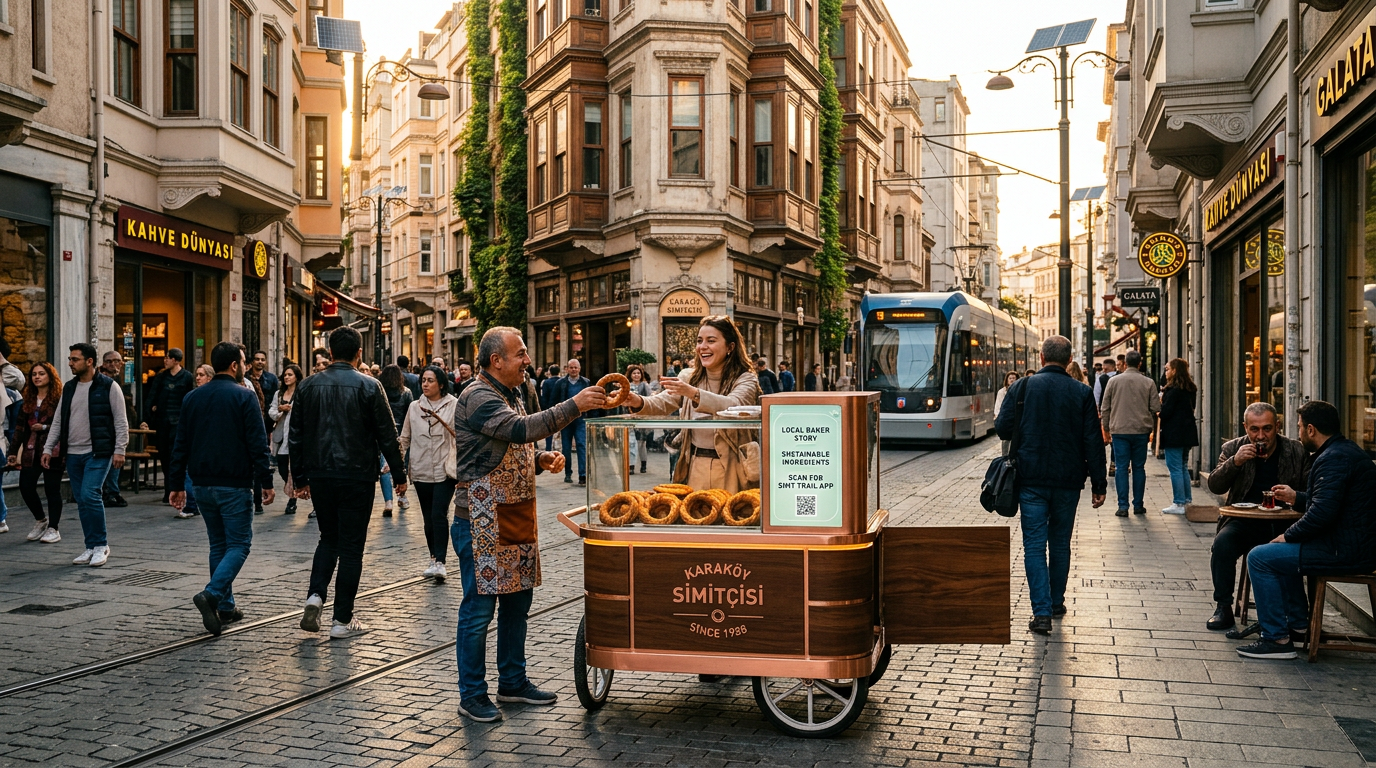
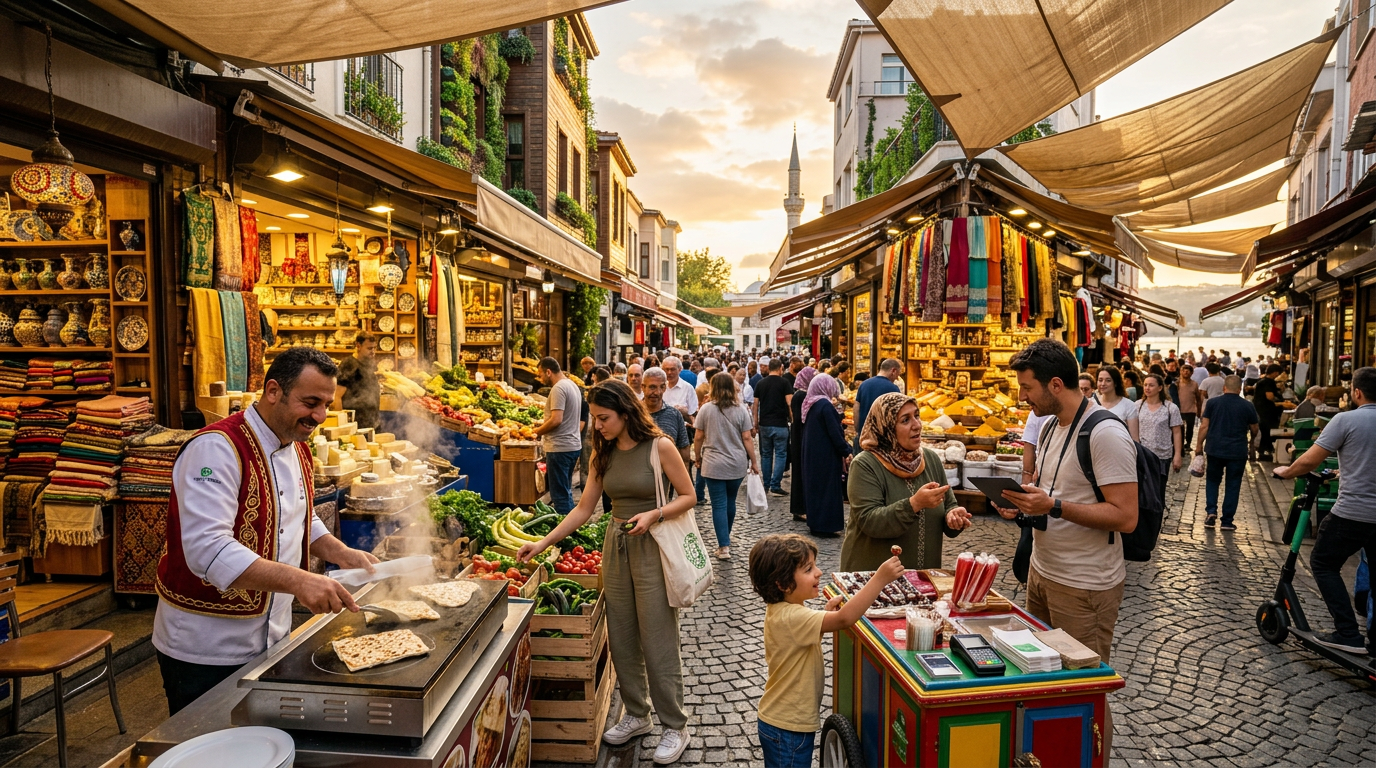
Don't overlook the ubiquitous street vendors and small, unassuming local spots. These offer quick, authentic, and affordable tea, served piping hot and often accompanied by lively street conversations.
The simple pleasure of a glass of tea from a local kahvehane (coffee house, serving tea) is a quintessential experience of everyday Istanbul tea culture.
Tea Beyond the Cup: Istanbul Tea Culture and Social Life
Tea in Istanbul transcends mere sustenance; it is a catalyst for social interaction, a symbol of hospitality, and a core element of community bonding. It is woven into the fabric of daily life, from breakfast tables to business meetings.
Tea as a Social Connector
Whether it's catching up with friends, discussing business, or observing the world go by, tea facilitates connection. It is the accompaniment to lively debates in university cafes and the quiet solace shared between neighbors.
The act of sharing tea is an unspoken invitation for conversation and camaraderie. For deeper insights into Istanbul's communal spaces throughout history, refer to Istanbul's Ancient Public Baths: Unveiling Hamam Culture from Rome to 2026's Modern Spas.
Tea in Business and Negotiations
In the bustling markets and offices of Istanbul, tea often serves as an informal ice-breaker or a gesture of goodwill during business discussions. Refusing an offered glass of tea can sometimes be seen as impolite, highlighting its significance in professional as well as personal interactions.
This tradition of hospitality extends to various crafts, as explored in Istanbul's Ancient Guilds and Crafts: Unveiling the Economic Engine of a Metropolis in 2026.
A Part of Every Celebration
From family gatherings to religious holidays, tea is always present. It’s served before meals, after meals, and continuously throughout the day, reinforcing its role as a fundamental component of Turkish hospitality.
This enduring tradition continues to flourish in 2026, adapted but undiminished.
Exploring Istanbul Tea Culture in 2026
For visitors in 2026, immersing oneself in Istanbul tea culture is an essential part of the travel experience. It offers a unique window into the city's soul, allowing one to connect with locals and witness traditions that have stood the test of time.
Tips for the Tea Enthusiast
- Embrace the Invitation: Always accept an offer of tea; it’s a sign of welcome.
- Try Different Strengths: Experiment with demli (strong) and açık (light) to find your preference.
- Visit a Traditional Çay Bahçesi: Experience the atmosphere and scenic views. You can find excellent suggestions for tea gardens on reputable travel sites like Lonely Planet's Guide to Istanbul Tea Gardens.
- Explore Local Varieties: Beyond black tea, try herbal infusions popular in Turkey. For more about the region's diverse plant life, check out a resource like the Royal Botanic Gardens, Kew.
- Observe the Ritual: Pay attention to how tea is brewed and served in different settings. Websites dedicated to Turkish culture, such as Turkish Airlines' cultural insights, often provide details on these rituals.
Istanbul's tea houses, both old and new, stand as testaments to a timeless beloved tradition. They are places where history whispers through clinking glasses, and where centuries-old customs meet the dynamic realities of a modern metropolis.
So, on your next visit to this magnificent city, take a moment to pause, sip, and truly savor the depth of its exquisite tea culture.