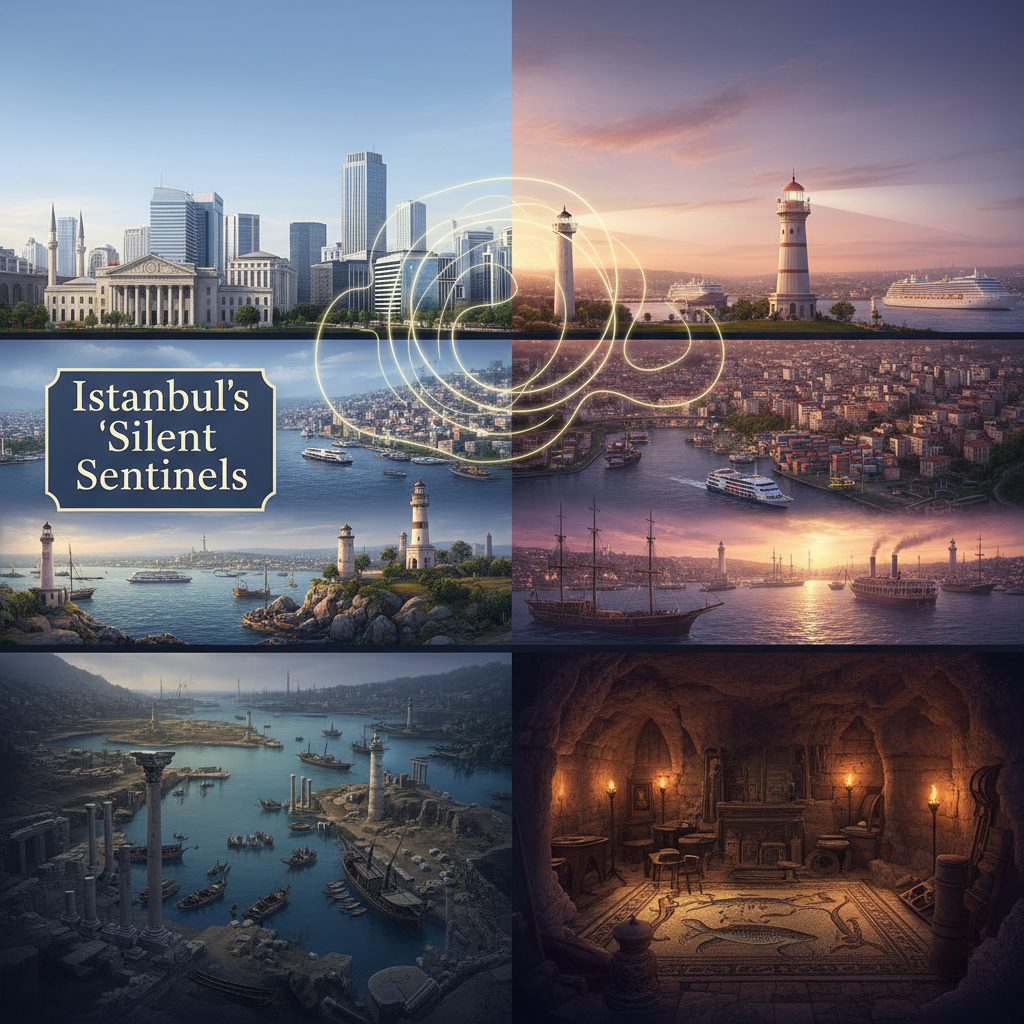
Istanbul's 'Silent Sentinels': Unveiling the City's Historic Istanbul Lighthouses & Maritime Lore in 2026
Istanbul, a city where East meets West, boasts a rich tapestry of history, culture, and breathtaking natural beauty. Beyond its iconic mosques, palaces, and bustling bazaars, another fascinating aspect of its heritage often goes unnoticed: the venerable Istanbul lighthouses. These silent sentinels have stood guard over the Bosphorus and the Marmara Sea for centuries, guiding countless ships through treacherous waters and bearing witness to the city's ever-evolving story. As we arrive in 2026, these historic beacons continue to captivate with their tales of maritime bravery and engineering marvel, making the Istanbul lighthouses a must-explore for history buffs and travelers alike.
The Enduring Legacy of Istanbul Lighthouses
The strategic location of Istanbul at the crossroads of two continents has always made its waterways vital for trade and navigation. Consequently, the need for reliable aids to navigation arose early in its history. The stories behind many Istanbul lighthouses are interwoven with grand empires and daring voyages. For more on the city's maritime past, explore Istanbul's Ancient Harbors & Maritime Tales: Unveiling the City's Seafaring Legacy in 2026.
These structures are not merely functional; they are architectural gems, each with its unique charm and historical significance. From the towering structures offering panoramic views to the more modest but equally crucial lights, they collectively tell a tale of Istanbul's deep connection to the sea. Exploring these Istanbul lighthouses offers a unique glimpse into the city's maritime heritage.
Anatolian Lighthouse (Şile Feneri)
Standing proudly on the Black Sea coast, the Anatolian Lighthouse, often simply known as Şile Feneri, is one of the most magnificent Istanbul lighthouses. Built in 1859 by French engineers during the Ottoman era, it is one of the largest lighthouses in Turkey.
- Location: Şile district, on the Asian side of Istanbul.
- Height: Approximately 11 meters (36 feet) with a focal plane of 92 meters (302 feet) above sea level.
- Significance: Its powerful light range of 20 nautical miles has been crucial for ships navigating the often-stormy Black Sea. The lighthouse is still active today, a testament to its robust construction and enduring design, making it a key example of Istanbul lighthouses' enduring legacy.
Rumelian Lighthouse (Rumeli Feneri)
Mirroring its Anatolian counterpart on the European side, the Rumelian Lighthouse, or Rumeli Feneri, guards the northern entrance of the Bosphorus. Also constructed by French engineers in 1856, it complements Şile Feneri in guiding vessels into the strait.
- Location: Sarıyer district, on the European side of Istanbul.
- Height: Approximately 30 meters (98 feet), making it one of the tallest Istanbul lighthouses.
- History: Strategically important, it has observed countless naval movements and trade convoys throughout its existence. The village surrounding it, also named Rumeli Feneri, thrives on fishing and local tourism, offering a glimpse into a tranquil coastal life away from the city's hustle. This lighthouse is another iconic example among the Istanbul lighthouses.
The Bosphorus's Lesser-Known Beacons and Istanbul Lighthouses
While the grand lighthouses at the Black Sea entrances are widely recognized, the Bosphorus itself is dotted with smaller, equally vital lights and beacons. These often blend seamlessly into the dramatic cliffs and shores, silently performing their duties. These lesser-known Istanbul lighthouses are just as crucial for maritime safety.
These smaller lights are crucial for navigating the Bosphorus, which is one of the world's busiest and most challenging waterways. Their synchronized flashes ensure safe passage through the narrow straits, especially during night or adverse weather conditions. The network of Istanbul lighthouses, both large and small, forms an essential part of the city's maritime infrastructure.
Ahırkapı Lighthouse
Located near the historical Ahırkapı fishing village, this lighthouse is not as towering as Şile or Rumeli but holds immense historical value. Its classic cylindrical stone tower is a recognizable landmark for those entering the Golden Horn.
It's one of the oldest active Istanbul lighthouses, historically marking the entrance to the anchorage before modern ports were established. Its light has guided generations of mariners through the southern waters of the Bosphorus. To learn more about navigating Istanbul's evolving urban landscape, see Istanbul's Ancient Maps & Modern Cartography: Navigating the City's Evolving Identity in 2026.
Kadıköy İnciburnu Lighthouse
Situated on the Anatolian side, near the bustling district of Kadıköy, İnciburnu Lighthouse is another significant aid to navigation. While not as old as some others, its position is critical for guiding ships around the Marmara Sea entrance of the Bosphorus.
This lighthouse offers picturesque views, often incorporated into the scenic walks along the Kadıköy coastline. It stands as a modern testament to Istanbul's ongoing commitment to maritime safety alongside its ancient counterparts, adding to the diverse collection of Istanbul lighthouses.
Technology and Preservation of Istanbul Lighthouses in 2026
In 2026, the operation and maintenance of Istanbul lighthouses blend traditional methods with cutting-edge technology. While their historical structures are meticulously preserved, their inner workings have evolved significantly.
Modern navigational aids like GPS and radar have reduced the sole reliance on lighthouses, but their role as visual guides and historical symbols remains paramount. The Turkish Directorate General of Coastal Safety is responsible for their upkeep, ensuring the continued functionality of all Istanbul lighthouses.
Automated Systems and Sustainability
Many lighthouses, including some of the Istanbul lighthouses, now utilize automated systems, reducing the need for constant human presence. This transition allows for greater efficiency and reduces operational costs.
Furthermore, there's a growing focus on sustainability. Solar panels and other renewable energy sources are being integrated where feasible, ensuring these historic landmarks continue to operate with a reduced environmental footprint, aligning with global efforts towards greener maritime practices in 2026. This reflects a broader trend of integrating modern solutions with historical preservation, much like the adaptive reuse of Istanbul's 'Third Space' Sanctuaries: Unveiling Co-working, Creative Hubs & Community Cafes in 2026. These efforts ensure the future of Istanbul lighthouses.
Challenges in Preservation
Preserving these historic structures comes with its own set of challenges. Exposure to harsh weather elements, erosion, and the sheer age of the buildings require continuous maintenance and restoration efforts. Funding for such projects often relies on government support and, at times, international heritage organizations, like the International Council on Monuments and Sites (ICOMOS). The preservation of Istanbul lighthouses is a continuous endeavor.
Balancing historical accuracy with modern safety standards is a delicate act. Expert teams meticulously repair and restore elements while ensuring the lighthouses continue to meet the demands of 21st-century maritime navigation.
Experiencing the Magic of Istanbul Lighthouses
For visitors to Istanbul in 2026, exploring these lighthouses offers a unique perspective on the city. They provide not just historical insights but also unparalleled panoramic views of the Bosphorus, the Black Sea, and the city skyline. For more breathtaking vistas, consider Istanbul's Ancient Sky-High Views: Scaling Historic Towers & Modern Rooftops for 2026's Best Panoramas. Discovering the various Istanbul lighthouses is a rewarding experience.
Many lighthouses are accessible to the public, offering guided tours or simply a chance to admire them from afar. They are fantastic spots for photography, providing dramatic backdrops and revealing the raw beauty of Istanbul's coastline.
Lighthouse Tours and Coastal Exploration
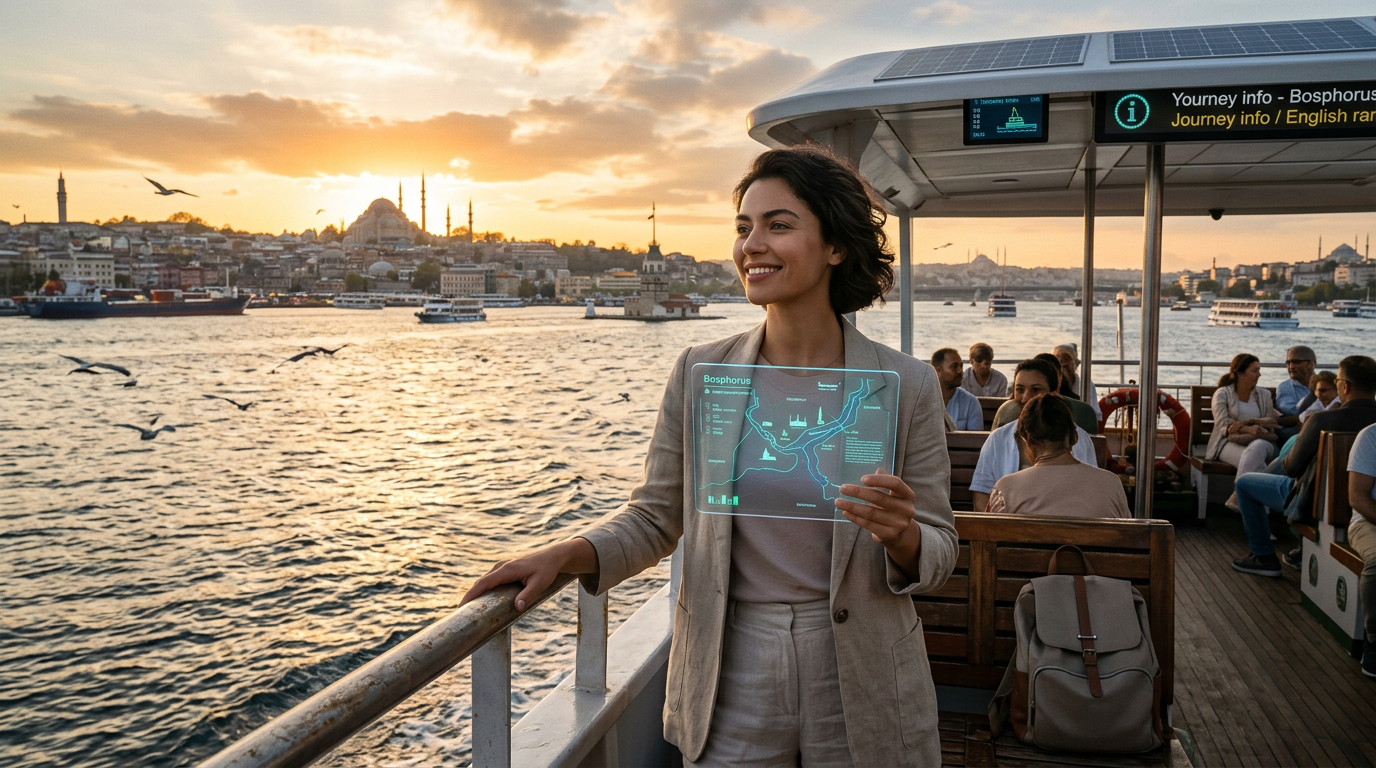
Consider taking a specialized tour that focuses on the maritime history of Istanbul, which often includes visits or close-up views of several Istanbul lighthouses. Boat tours along the Bosphorus frequently pass by these iconic structures, offering excellent photo opportunities. You can find various boat tour operators detailed on tourism sites like TripAdvisor's Istanbul Boat Tours listings.
For the adventurous, a day trip to Şile or Rumeli Feneri can be a delightful escape from the urban core. These areas offer charming fishing villages, local eateries, and a chance to experience the serene coastal atmosphere, far removed from the city's hustle and bustle. These excursions highlight the beauty of Istanbul lighthouses.
Photography and Sunset Views
The lighthouses of Istanbul, especially during sunrise or sunset, create stunning visual spectacles. The warm golden light illuminates their ancient stones, casting dramatic silhouettes against the horizon. Photographers, both amateur and professional, will find endless inspiration when capturing the beauty of Istanbul lighthouses.
Imagine capturing the powerful beam of Şile Feneri piercing through the twilight or the iconic white tower of Rumeli Feneri standing strong against the crashing waves. These moments beautifully encapsulate the silent strength of these maritime guardians.
The Istanbul lighthouses are more than mere navigational aids; they are monumental testaments to human ingenuity, resilience, and Istanbul's profound connection to the sea. They stand as enduring symbols of hope and guidance, continuing their vigil over one of the world's most historic and vital waterways. In 2026, as in centuries past, they remain the silent, steadfast guardians of Istanbul's shores, truly making the Istanbul lighthouses a timeless treasure.