Istanbul Imperial Palaces: A Glimpse into Royal Grandeur in 2026
Stepping into the world of the Istanbul Imperial Palaces is like traveling through a living history book, where every stone whispers tales of sultans, empresses, and the grand tapestry of the Ottoman Empire. In 2026, these magnificent structures continue to mesmerize visitors with their opulent architecture, intricate decorations, and the fascinating stories embedded within their walls. From the symbolic heart of Ottoman power to later European-influenced residences, these palaces offer an unparalleled insight into the lavish lifestyle, political intrigue, and cultural richness that defined centuries of imperial rule.
The Enduring Legacy of Istanbul Imperial Palaces
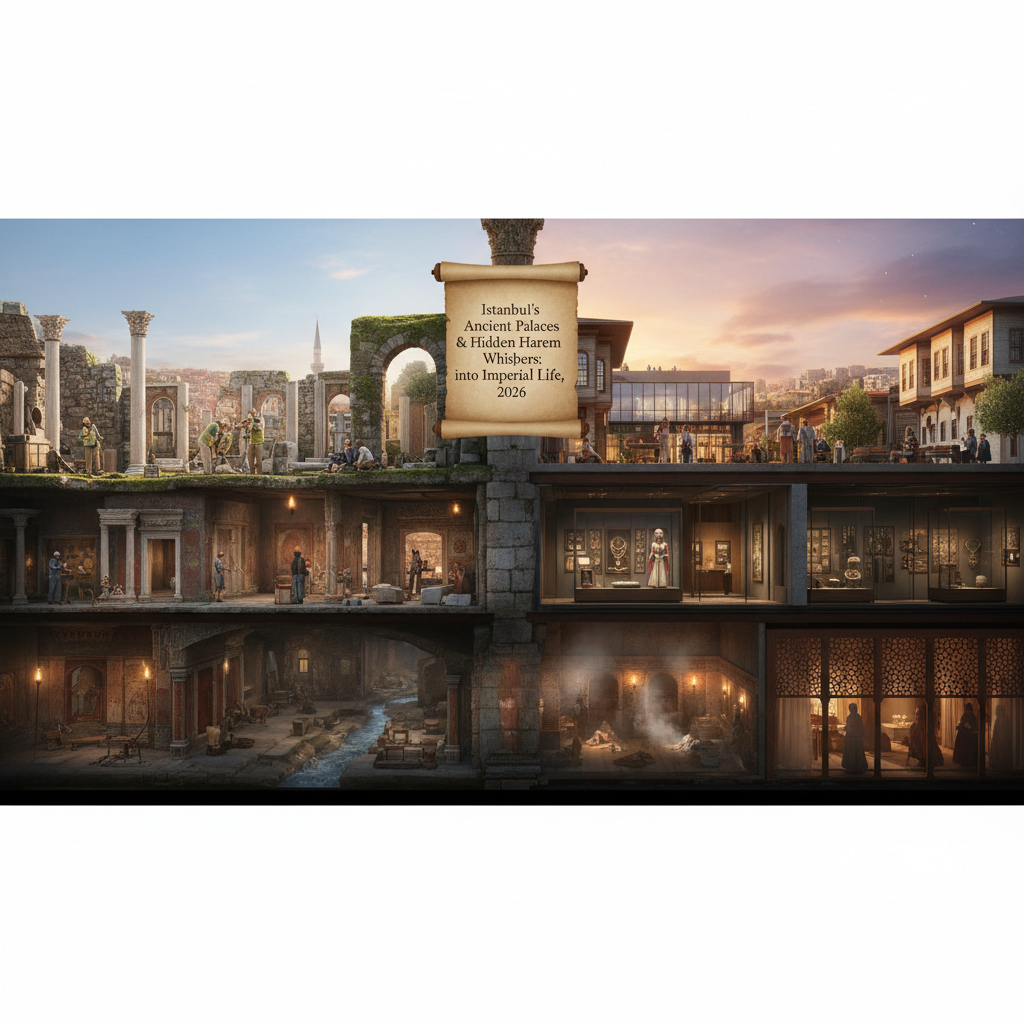
Istanbul, once the capital of mighty empires, is home to an extraordinary collection of palaces that stand as enduring testaments to its glorious past. These edifices are not merely buildings; they are museums of power, art, and daily life, reflecting the evolution of taste and governance across different eras. Each palace holds unique characteristics, from the sprawling complexes designed for governance and residence to more intimate summer retreats, all contributing to the rich legacy of Istanbul Imperial Palaces. For a deeper dive into the city's foundation, consider exploring Istanbul's ancient palimpsest.
Topkapi Palace: The Cradle of the Empire
The Topkapi Palace, established shortly after the 1453 conquest of Constantinople, served as the primary residence and administrative headquarters for Ottoman sultans for nearly 400 years. Its strategic location overlooking the Golden Horn, the Bosphorus, and the Sea of Marmara made it the nerve center of a vast empire.
- Imperial Council Hall (Divan-ı Hümayun): Where state affairs were debated and decided.
- The Treasury: Home to invaluable artifacts including the Spoonmaker's Diamond and the Topkapi Dagger.
- The Harem: A world unto itself, housing hundreds of women, eunuchs, and children, shrouded in mystery and strict protocol. This section alone demands several hours of exploration, offering a glimpse into the intricate world of the Ottoman Harem.
Exploring Topkapi offers a profound understanding of how the Ottoman Empire was managed and how the imperial family lived, offering an authentic glimpse into their daily routines and grand ceremonies. The evolution of customs and traditions, including beauty rituals, can be further explored by looking into Istanbul's ancient cosmetics.
Dolmabahçe Palace: European Elegance Meets Ottoman Splendor
By the mid-19th century, the Ottoman sultans sought to modernize and Europeanize their imperial residences, leading to the construction of Dolmabahçe Palace. Located on the European shore of the Bosphorus, this grand palace is a striking contrast to Topkapi, showcasing a blend of Baroque, Rococo, and Neoclassical styles with traditional Ottoman elements.
The transition from Topkapi to Dolmabahçe around 1856 marked a significant shift in imperial aesthetics and lifestyle. Sultan Abdülmecid I commissioned this architectural marvel, which cost an astronomical sum, reflecting the empire's desire to project a powerful and modern image to the world.
Key Highlights of Dolmabahçe Palace
- Crystal Staircase: Adorned with Baccarat crystal, epitomizing the palace's lavishness.
- Ceremonial Hall: Boasting the world's largest Bohemian crystal chandelier, a gift from Queen Victoria.
- Mustafa Kemal Atatürk's Room: Where the founder of modern Turkey passed away, preserved as it was.
A visit to Dolmabahçe Palace in 2026 offers captivating insights into the late Ottoman period and the empire's efforts to embrace Western European cultural and architectural trends while retaining its unique identity. For those interested in the artistic expressions of this era, exploring Istanbul's ancient melodies provides another cultural lens.
Beylerbeyi Palace: A Summer Retreat by the Bosphorus
Situated on the Asian side of the Bosphorus, Beylerbeyi Palace served as a summer residence for Ottoman sultans and a guesthouse for visiting heads of state. Completed in 1865, it shares the European architectural influences seen in Dolmabahçe but has a softer, more intimate feel.
Architectural Charm and Design
Beylerbeyi showcases a delicate blend of French Neoclassical and traditional Ottoman residential styles. Its main façade, made of white marble, reflects beautifully on the Bosphorus waters. The palace design emphasizes light and air, with large windows providing stunning views of the strait and lush gardens.
- Harem and Selamlık: Segregated sections that allowed for privacy and distinct social functions.
- Exquisite Furnishings: Featuring Bohemian crystal chandeliers, European and Ottoman carpets, and porcelain from China, Japan, and France.
- Beautiful Gardens: Terraced gardens descending to the Bosphorus, featuring diverse flora and charming pavilions. These secret gardens were crucial for imperial relaxation.
The tranquility and elegant beauty of Beylerbeyi make it a perfect complement to the grandeur of the other Istanbul Imperial Palaces, offering a different perspective on imperial leisure.
Küçüksu Pavilion: A Jewel on the Water's Edge
Küçüksu Pavilion, often described as a "water palace," is a small yet incredibly ornate imperial hunting lodge and summer residence located on the Asian shore of the Bosphorus, between the Anatolian Fortress and the Fatih Sultan Mehmet Bridge. Built for Sultan Abdülmecid I in the mid-19th century, its Rococo and Baroque style makes it a miniature masterpiece.
This charming pavilion, with its vibrant frescoes and lavish interiors, provided a picturesque setting for sultans to relax and entertain. Its intimate scale offers a stark contrast to the vastness of Topkapi or Dolmabahçe, yet it radiates an equally captivating imperial presence. The grounds are also beautifully landscaped, perfect for a leisurely stroll by the Bosphorus.
Visiting Istanbul Imperial Palaces in 2026: Tips and Recommendations
To fully appreciate the splendor and history of the Istanbul Imperial Palaces, planning your visit wisely is essential. Given their popularity, especially during peak tourist seasons, early arrival is always recommended to avoid crowds.
- Topkapi Palace: Allocate at least half a day, especially if you plan to visit the Harem and the Treasury. Consider a guided tour for deeper historical context.
- Dolmabahçe Palace: Tours are often guided and have specific timings. Check the official website for updated 2026 schedules.
- Beylerbeyi and Küçüksu: These can often be combined into a single, more relaxed day trip, perhaps with a Bosphorus cruise that allows you to see them from the water as well.
- Transportation: Utilize Istanbul's extensive public transport system (trams, ferries, buses) to reach these sites efficiently. Ferries offer scenic routes, particularly to palaces on the Asian side. Current information about public transport can be found on the IETT official website.
These majestic structures are not just historical sites; they are vibrant cultural centers, many of which host exhibitions and events throughout 2026. Delving into the history of Istanbul Imperial Palaces is an unforgettable journey into the heart of a bygone era, offering insights into the extraordinary lives of those who once ruled one of the world's greatest empires.