Istanbul Caique Culture: Exploring the City's Enduring Maritime Soul in 2026
Istanbul, a city straddling two continents, is defined as much by its waterways as by its historic landmasses. Central to this maritime identity is the vibrant and deeply rooted Istanbul caique culture. These traditional wooden boats, known as caiques, have been an integral part of the city's fabric for centuries, serving as a lifeline for fishing communities, a symbol of leisure, and a constant presence on the shimmering waters of the Bosphorus and the Golden Horn. In 2026, this enduring legacy continues to shape the city's unique charm, inviting visitors and locals alike to explore its rich traditions.
The Enduring Legacy of Istanbul Caique Culture
The history of caiques in Istanbul is as deep and winding as the Bosphorus itself. From ancient times, these versatile vessels have adapted to the city's evolving needs, reflecting its economic, social, and cultural shifts. They are more than just boats; they are a living testament to Istanbul’s unbreakable connection with the sea, embodying generations of craftsmanship and maritime knowledge.
From Byzantine Barges to Ottoman Icons
Historically, caiques (from the Turkish "kayık") served various purposes, evolving from simple fishing skiffs to elegant imperial barges during the Ottoman era. These decorated vessels would ferry sultans, their entourages, and high-ranking officials across the Bosphorus, becoming symbols of status and power. Today, the design principles and the spirit of these historic boats are still visible in the caiques plying Istanbul's waters.
The meticulous craftsmanship involved in building and maintaining these wooden boats has been passed down through generations. This rich heritage ensures that the essence of traditional boat building and ancient crafts remains a vital part of Istanbul caique culture.
The Caique's Role in Daily Life and Economy
Beyond imperial grandeur, caiques were, and still are, fundamental to the daily life of Istanbulites. They were the workhorses of the sea, transporting goods, passengers, and, most importantly, providing sustenance through fishing. Their presence also facilitated trade and mirrored the vibrant ferry culture of Istanbul's waterways. Even in the modern landscape of 2026, their economic importance, particularly in fishing and tourism, is undeniable.
Modern Manifestations: Caiques in 2026
While the city has modernized rapidly, caiques continue to thrive in Istanbul, adapting to contemporary needs while retaining their traditional character. Their iconic silhouettes remain a common sight, offering both functional utility and nostalgic beauty to the cityscape.
Leisure, Tourism, and the Bosphorus Experience
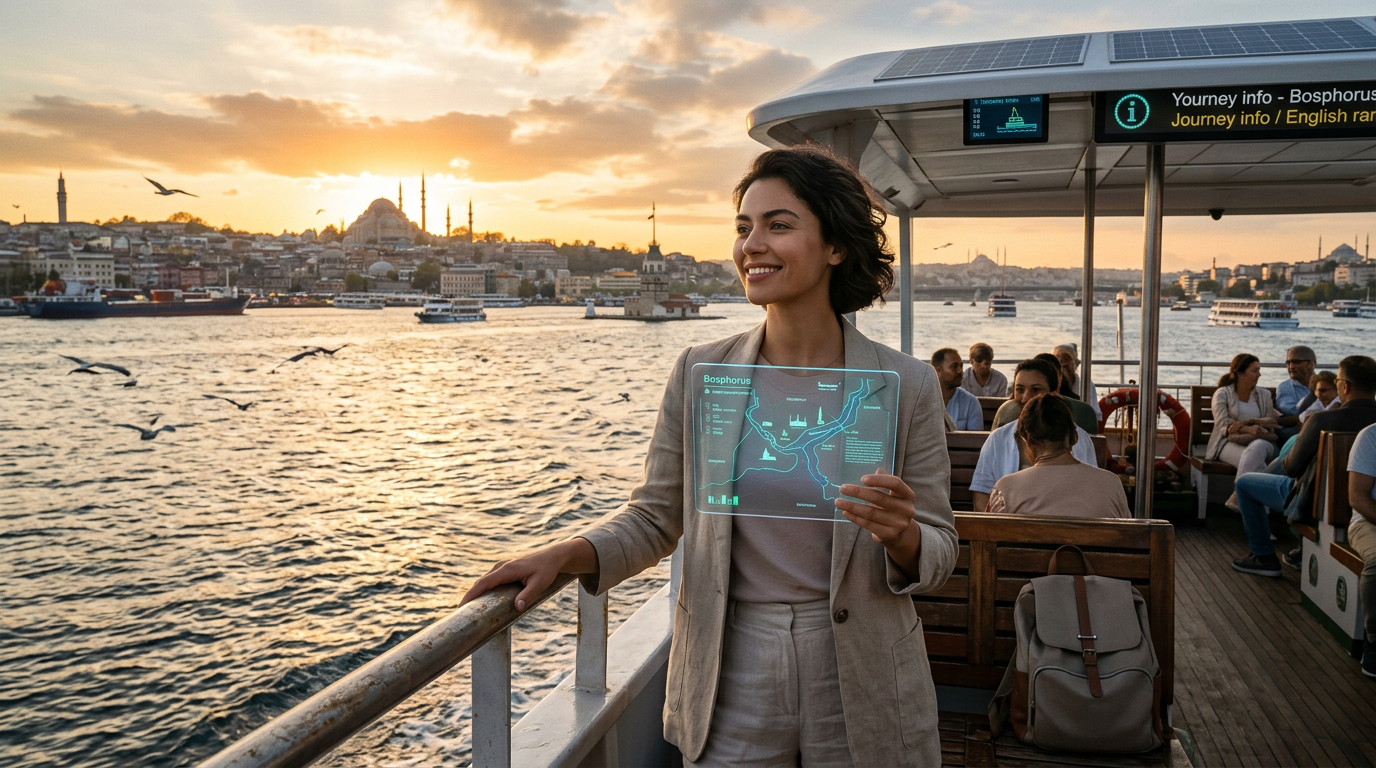
In 2026, many caiques have found a new purpose in Istanbul's burgeoning tourism industry. Tourists flock to the Bosphorus for private boat tours, enjoying the unique perspective offered by these traditional vessels. A caique ride provides an intimate way to experience Istanbul's stunning waterfront, allowing passengers to glide past historic mansions, grand palaces, and bustling promenades. These tours are crucial in keeping the Istanbul caique culture visible and appreciated by a global audience.
Many tour operators now offer bespoke experiences, from romantic sunset cruises to specialized photography expeditions, all aboard beautifully restored caiques. These excursions not only provide memorable experiences but also contribute to the preservation of these traditional boats and the skills required to operate them. For more on the history and significance of these unique vessels, you can explore resources like Wikipedia's comprehensive entry on Caique.
Fishing Fleets: A Glimpse into Traditional Livelihoods
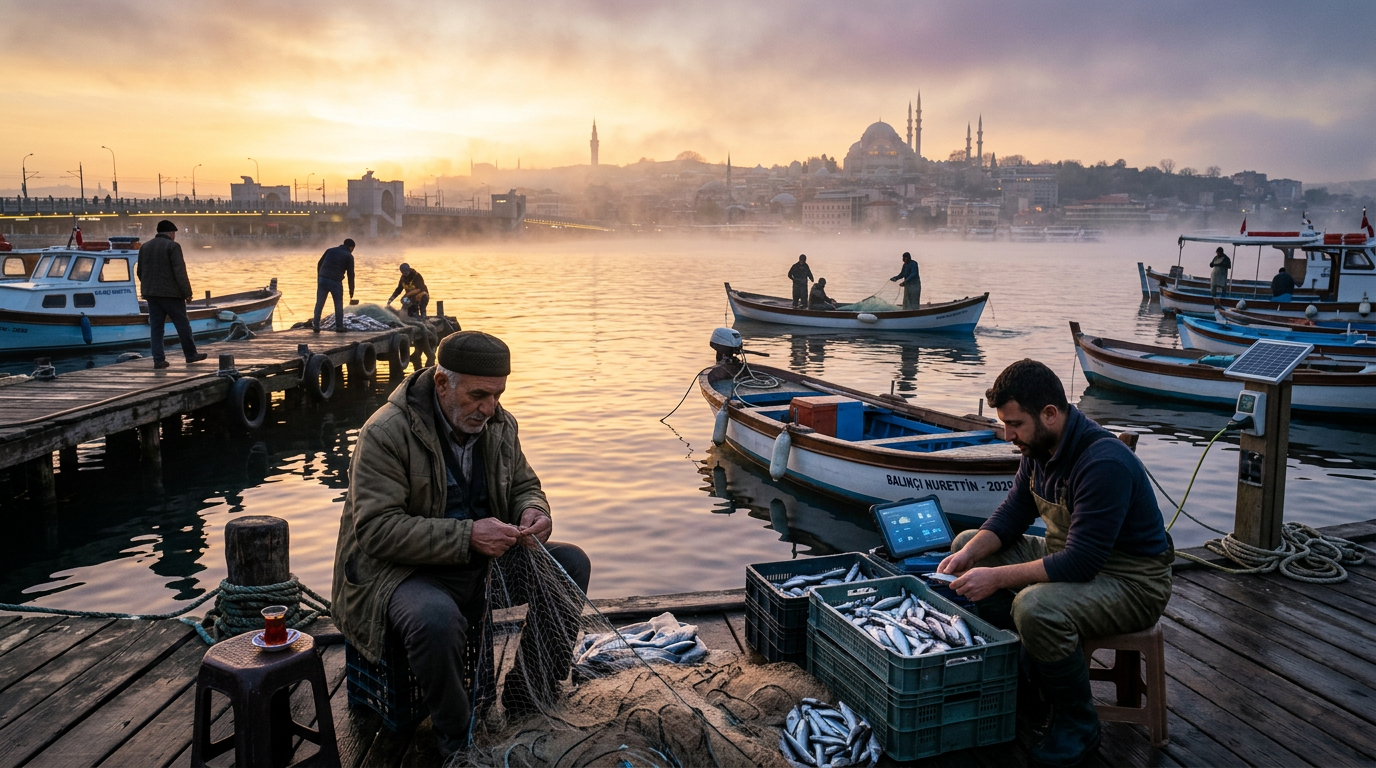
While tourism offers a new lease on life for some caiques, their original purpose as fishing boats remains robust. Walk along the piers of Eminönü, Kadıköy, or Anadolu Kavağı, and you will still see fleets of working caiques returning with their daily catch. These fishing boats are often brightly painted, carrying the hopes and efforts of generations of fishermen. They represent a tangible link to Istanbul's deep-seated maritime heritage.
The Heart of the Fleet: Local Fishing Traditions
The caiques dedicated to fishing are the unsung heroes of Istanbul’s culinary scene. They supply the city’s fish markets and restaurants with fresh catches, continuing traditions that predate modern fishing vessels, deeply influencing Istanbul's ancient flavors and gastronomic roots. The rhythm of their lives is dictated by the seasons, the tides, and the rich bounty of the Bosphorus.
A Day in the Life of an Istanbul Fisherman
For many Istanbul fishermen, a typical day begins long before dawn. Their caiques depart under the cover of darkness, navigating the busy waterways to reach prime fishing spots. The methods are often traditional, using nets and lines that have been refined over centuries. It's a demanding profession, requiring resilience, skill, and an intimate understanding of the sea. Their dedication ensures that fresh, locally sourced seafood remains a staple in Istanbul's diet.
Seasons and Catches: What's Fresh in the Bosphorus
- Spring (March-May): The Bosphorus comes alive with anchovies (hamsi), bluefish (lüfer), bonito (palamut), and various types of sea bass.
- Summer (June-August): While some species migrate, seabream and mackerel are common. Fishing might be calmer, but the waters still yield delicious results.
- Autumn (September-November): This is often considered the best fishing season, with an abundance of bonito, bluefish, and other migratory species returning to the Bosphorus.
- Winter (December-February): Although colder, winter brings delightful catches like turbot (kalkan) and whiting, highly prized for their flavor.
Understanding these seasonal patterns is crucial for fishermen, and it directly influences the offerings at local fish markets and restaurants throughout the city in 2026.
Preserving the Past, Navigating the Future: The Challenges Facing Istanbul Caique Culture
Despite its resilience, Istanbul caique culture faces modern challenges, from environmental concerns to the pressures of urbanization. Efforts are underway to ensure this vital part of Istanbul's identity continues to thrive for future generations.
Environmental Pressures and Sustainable Fishing
The Bosphorus, while rich in marine life, is also a busy shipping lane and susceptible to environmental pressures. Overfishing and pollution pose significant threats to the delicate ecosystem, highlighting the importance of understanding and preserving Istanbul's hidden water veins and their urban legacies. Conscious efforts towards sustainable fishing practices are increasingly important, with local authorities and fishing cooperatives working together to manage fish stocks responsibly. Education and adherence to fishing quotas are key to maintaining the Bosphorus's biodiversity, aligning with global initiatives for responsible fisheries management.
Community Efforts to Safeguard Maritime Heritage
Various non-governmental organizations and community initiatives are actively involved in preserving Istanbul's maritime heritage. These groups often work on restoring old caiques, documenting traditional boat-building techniques, and promoting the history of the city's seafaring traditions. Their dedication helps ensure that the skills and stories associated with caiques are not lost to time. For information on Turkey's broader efforts in cultural preservation and heritage, explore resources from official cultural heritage bodies like the Ministry of Culture and Tourism.
Such efforts are critical in creating awareness and fostering a sense of pride in Istanbul's unique maritime identity. The future of the Istanbul caique culture relies on a balance between progress and preservation.
Experiencing Caique Culture as a Visitor in 2026
For those visiting Istanbul in 2026, experiencing the caique culture firsthand is an absolute must. It offers an authentic glimpse into the city’s soul, far removed from typical tourist attractions.
Best Spots to Witness Caique Activity
- Eminönü and Galata Bridge: Watch the fishing caiques return with their catch and see the bustling activity around the fish markets.
- Anadolu Kavağı and Rumeli Kavağı: These villages at the northern end of the Bosphorus are home to numerous fishing caiques and offer a more traditional, tranquil atmosphere.
- Kadıköy and Üsküdar: Explore the Asian side's ferry terminals and fishing harbors, where you can see different types of caiques and local life.
- Prince Islands: The car-free islands offer picturesque views of caiques used for leisure and transport between the islands.
These locations provide excellent opportunities for photography and for simply soaking in the maritime atmosphere.

Booking a Caique Tour
Numerous operators offer caique tours ranging from short Bosphorus cruises to full-day excursions. It is advisable to book in advance, especially during peak seasons, to ensure availability and to choose a reputable company. Opting for a private caique experience allows for a personalized itinerary, enabling you to explore specific areas of interest at your own pace. This is a wonderful way to connect with the city's maritime heart.
The Istanbul caique culture is far more than just a collection of boats; it is a living, breathing tradition that encapsulates the spirit of Istanbul itself. From ancient times to the present day in 2026, these wooden vessels have sailed through history, carrying stories, livelihoods, and the very essence of a city forever intertwined with the sea. Exploring this unique culture offers an unforgettable perspective on one of the world's most captivating cities.