Istanbul's Ancient Public Baths: Unveiling Istanbul Hamam Culture from Rome to 2026's Modern Spas
Stepping into a hamam in Istanbul is more than just a bath; it's an immersive journey through centuries of history, a ritual of purification, and a cornerstone of social life. The rich and enduring Istanbul hamam culture, dating back to Roman and Byzantine traditions, continues to thrive in 2026, offering both authentic historical experiences and luxurious modern interpretations. For visitors seeking to understand the soul of this magnificent city, delving into its bathhouse traditions is an absolute must.
Delve deeper into how Istanbul preserves its past while embracing the present by exploring Istanbul's Ancient Healing Sanctuaries: Exploring Historic Hospitals, Hamams & holistic Wellness in 2026.
The Historical Roots of Istanbul Hamam Culture
The concept of public bathing arrived in Anatolia long before the Ottoman Empire. Roman and Byzantine traditions heavily influenced the design and function of early bathhouses. When the Ottomans conquered Constantinople in 1453, they embraced and refined these practices, integrating them deeply into Islamic culture.
The hamam, derived from the Arabic word "hamma" meaning "to warm," became not just a place for physical cleansing but also for spiritual purification, relaxation, and social interaction. Many grand architectural masterpieces were built to house these essential public spaces, contributing to Istanbul's Evolving Skyline: Capturing Architectural Transformations & Future Landmarks in 2026.
From Roman Thermae to Ottoman Hamam
The design of many historic Istanbul hamams reflects their Roman and Byzantine predecessors. The layout typically features a sequential progression through different temperature zones: the soğukluk (cooling room), the ılıklık (tepidarium, warm room), and the sıcaklık or hararet (caldarium, hot room).
However, Ottoman hamams introduced distinct elements. The focus shifted from communal bathing pools to individual washing areas with running water, enhancing hygiene. The emphasis on massage (kese) and social bonding also became more pronounced, defining the unique Istanbul hamam culture.
The Social Significance of the Hamam
Beyond cleanliness, hamams served a vital social purpose. They were gathering places for women and men, albeit separately. Women would spend hours here, socializing, discussing family matters, arranging marriages, and celebrating special occasions like bridal baths (gelin hamamı).
For men, hamams were places for business discussions, relaxation after a long day, or simply unwinding with friends. This strong social fabric is an integral part of the continuing Istanbul hamam culture.
In fact, the Hamam was often a place where important social and economic discussions took place, much like the vibrant guild halls of old, as explored in Istanbul's Ancient Guilds and Crafts: Unveiling the Economic Engine of a Metropolis in 2026.
Experiencing an Authentic Istanbul Hamam
Visiting a traditional hamam today is a sensory experience unlike any other. While the process might seem daunting at first, it's designed for ultimate relaxation and rejuvenation. Most hamams follow a similar ritual that has been perfected over centuries.
Upon arrival, you'll be shown to a changing room where you can prepare. You'll then proceed to the warm room, allowing your body to acclimatize to the heat and humidity. The star of the show often begins in the hot room.
The Ritual of Kese and Köpük
The central part of the hamam experience is the "kese" and "köpük" treatment. A specialized attendant, known as a tellak for men or an natır for women, will expertly exfoliate your skin using a coarse mitt called a kese. This removes dead skin cells, leaving your skin incredibly smooth.
Following this, you'll be enveloped in a cloud of soapy bubbles, meticulously washed and massaged. This deep cleansing and massage invigorates the body and mind, leaving you feeling utterly refreshed and renewed. This traditional purification is at the heart of Istanbul hamam culture.
Relaxation in the Soğukluk
After the intense heat and scrubbing, you'll retreat to the cooler sections of the hamam, the ılıklık and then the soğukluk. Here, you can relax, sip traditional tea, and allow your body temperature to return to normal. Many hamams offer additional services like oil massages during this phase.
This post-bath relaxation is just as important as the washing itself, providing a tranquil space to fully absorb the benefits of the experience. It's a holistic approach to well-being that underscores the depth of Istanbul hamam culture.
Notable Hamams in Istanbul for 2026 Visitors
Istanbul boasts an impressive array of hamams, ranging from ancient Ottoman architectural marvels to luxurious modern spas inspired by traditional practices. Depending on your preference for authenticity, luxury, or a balance of both, there's a perfect hamam waiting for you.
- Ayasofya Hürrem Sultan Hamamı: Built in the 16th century by Mimar Sinan for Roxelana, Sultan Suleiman the Magnificent's consort, this hamam offers a high-end, luxurious experience. It's meticulously restored and provides an opulent setting right between the Hagia Sophia and Blue Mosque.
- Çemberlitaş Hamamı: Another masterpiece by Mimar Sinan, dating back to 1584, Çemberlitaş provides a more historically rugged, yet still welcoming, experience. It offers separate sections for men and women and is known for its impressive dome and ancient stone.
- Cağaloğlu Hamamı: Constructed in 1741 during the reign of Sultan Mahmud I, Cağaloğlu is a grand example of Baroque-style Ottoman architecture. It has hosted countless famous personalities and offers a traditional experience with a touch of elegance.
- Kilimci Hamamı: For a more local, less touristy, and often more affordable experience, Kilimci Hamamı in Kadırga is a hidden gem. It offers a genuine glimpse into everyday Istanbul hamam culture. You can find more information about these historic establishments and their significance on the Islamic Arts Magazine.
The Evolution of Hamam Culture: From Tradition to Modern Spas in 2026
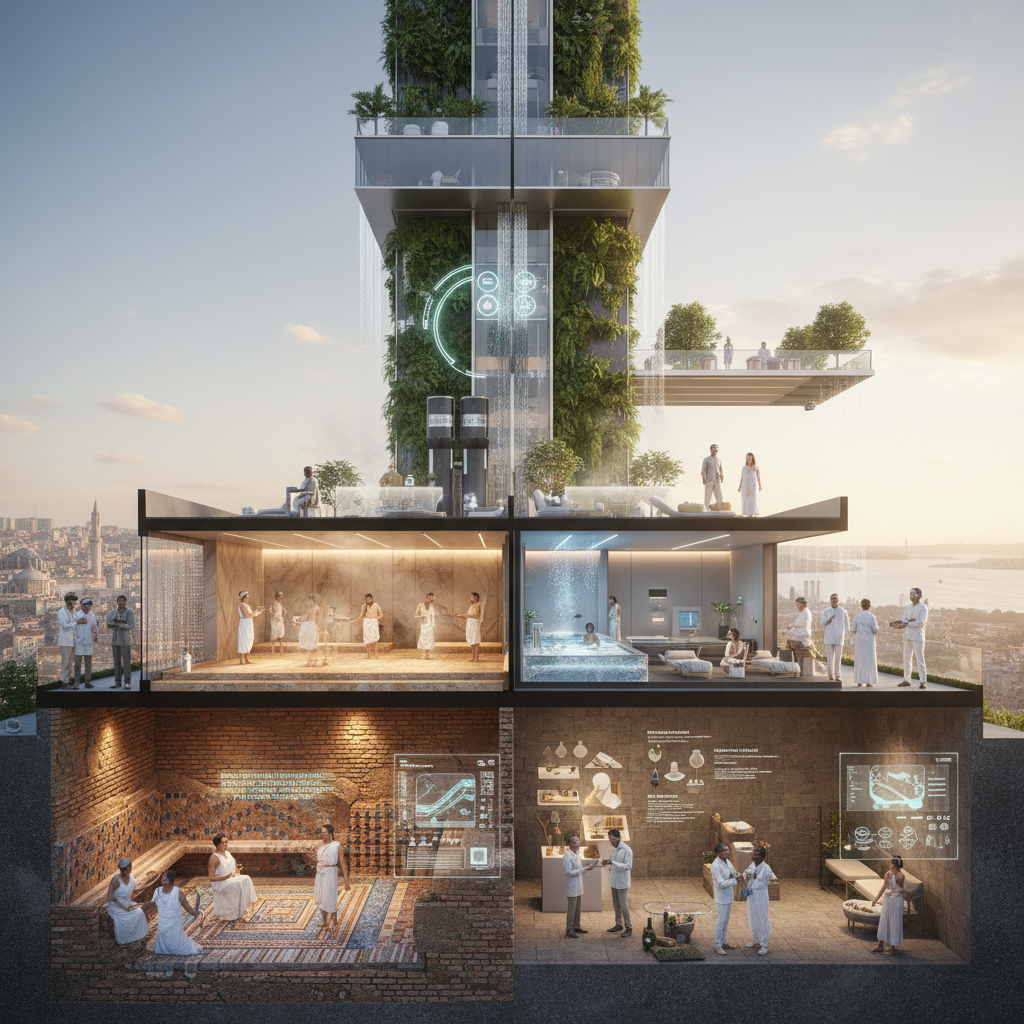
While traditional hamams steadfastly maintain their historical integrity, the concept of bathing and wellness has also evolved in Istanbul. Modern spas, particularly within luxury hotels, often incorporate hamam-like elements, blending ancient rituals with contemporary spa treatments.
These establishments might offer private hamam suites, aromatherapy options, or combine the scrubbing ritual with advanced massage techniques. This evolution caters to a broader range of preferences, showcasing the adaptability and enduring appeal of the core principles of cleanliness and relaxation inherent in Istanbul hamam culture.
For more on how Istanbul bridges its ancient traditions with contemporary trends, consider reading about Istanbul's Time-Bending Barbers: From Ottoman Shave Rituals to 2026's Modern Styles, another ritualistic practice evolving through time. Modern spas in Istanbul often draw inspiration from ancient Roman bath traditions, a practice that highlights the enduring legacy of bathing culture. The World History Encyclopedia provides an excellent overview of Roman Baths.
The Enduring Appeal in the 21st Century
In 2026, as in centuries past, the hamam remains a cherished part of Istanbul's identity. In an increasingly fast-paced world, the hamam offers a much-needed sanctuary – a place to disconnect, rejuvenate, and connect with a profound cultural heritage.
Whether you choose a grand historic structure or a more intimate neighborhood bathhouse, the experience of a Turkish bath is an essential part of understanding the heartbeat of Istanbul. It’s a timeless practice that continues to captivate and cleanse both body and soul, reinforcing the vibrant Istanbul hamam culture.