Istanbul Botanical Gardens: A Journey Through Green Sanctuaries in 2026
Istanbul, a city where East meets West, offers a tapestry of historical wonders, vibrant culture, and surprisingly, serene green spaces. For those seeking tranquility amidst the urban buzz, exploring the magnificent Istanbul botanical gardens provides an unparalleled experience. In 2026, these verdant havens are more significant than ever, not just as tourist attractions but as vital lungs for the sprawling metropolis and centers for biodiversity conservation.
Discovering the Enchantment of Istanbul Botanical Gardens
The concept of gardens in Istanbul dates back to the Byzantine and Ottoman empires, where lush courtyards and imperial gardens were integral to palace life and public spaces. Today, the modern Istanbul botanical gardens continue this rich legacy, combining historical significance with contemporary horticultural practices.
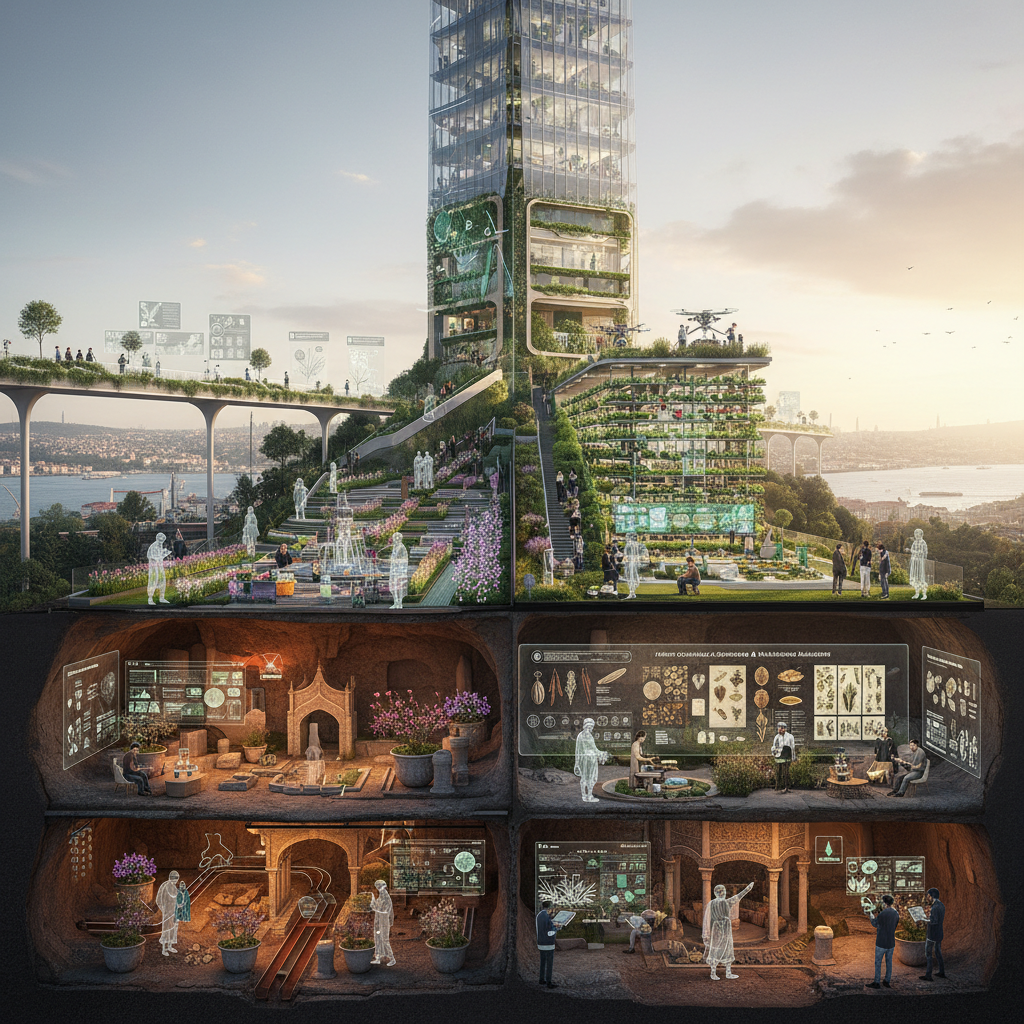
These gardens offer a unique blend of formal displays, educational programs, and rewilded areas. They serve as open-air classrooms for botany enthusiasts and peaceful retreats for city dwellers. Visitors in 2026 can expect to see innovative landscaping alongside traditional designs, much like how the city's ancient frescoes now coexist with modern graffiti, showcasing layers of history.
A Journey Through Historical Green Spaces
Many of Istanbul's green areas have histories stretching back centuries. Some were once private imperial gardens, now transformed into accessible public parks and botanical spaces. This historical continuity adds a unique layer to the experience of visiting an Istanbul botanical garden.
- Sultanahmet Park: While not a dedicated botanical garden, its proximity to historical sites and beautifully maintained flowerbeds reflect Istanbul's deep appreciation for green aesthetics.
- Yıldız Park: Once a part of the Yıldız Palace outer garden, this expansive park features diverse flora, kiosks, and a serene lake, offering a glimpse into Ottoman garden design principles. For another fascinating look at imperial life, discover Istanbul's ancient palaces and forgotten harem stories.
- Emirgan Park: Famous for its annual Tulip Festival, Emirgan Park showcases meticulous horticultural planning reminiscent of historical gardens, alongside modern botanical collections.
The Role of Botanical Gardens in Urban Ecology
In a city as large and dense as Istanbul, green spaces are crucial. The Istanbul botanical gardens play a vital role in improving air quality, supporting local wildlife, and providing essential ecological services. They are living laboratories for understanding urban biodiversity.
Many gardens are actively involved in conservation efforts, protecting endangered local plant species and experimenting with drought-resistant plants suitable for Istanbul's climate, a growing concern in 2026. For a broader understanding of urban ecology, you might explore the impact of urban green spaces on biodiversity in major cities.
Exploring Key Istanbul Botanical Gardens in 2026
As of 2026, Istanbul boasts several prominent botanical gardens, each with its own character and specialties. From sprawling arboretums to meticulously curated collections, there's a green oasis for every taste. These Istanbul botanical gardens offer diverse experiences for nature lovers.
Nezahat Gökyiğit Botanical Garden (NGBB): A Modern Marvel
Nezahat Gökyiğit Botanical Garden, often referred to as NGBB, is a prime example of modern botanical conservation and education in Istanbul. Established on a former landfill site, it's a testament to ecological restoration.
NGBB is home to a vast collection of plant species, including a significant native Turkish flora section. It's a beacon for environmental education, offering workshops and guided tours throughout the year. Its commitment to sustainability and biodiversity makes it a must-visit among Istanbul botanical gardens.
- Dedicated sections for Turkish endemic plants.
- Educational programs for all ages.
- A model for large-scale urban reforestation.
Atatürk Arboretum: A Forested Sanctuary
Located in Sarıyer, the Atatürk Arboretum is a truly magnificent forested sanctuary that functions as a living museum of trees and woody plants. It's an indispensable resource for botanical research and a beloved spot for nature lovers.
With its vast collection of trees from around the world, peaceful walking paths, and serene lakes, the arboretum offers a unique escape from the city. It’s an essential part of the network of Istanbul botanical gardens, emphasizing large-scale plant diversity. You can learn more about its extensive collections at the Istanbul University's Atatürk Arboretum website.
Rewilding Initiatives and Sustainability in Istanbul Botanical Gardens
The concept of "rewilding" – allowing natural processes to take precedence – is gaining traction globally, and Istanbul's green spaces are no exception. While fully rewilding within a dense urban core is challenging, many Istanbul botanical gardens are incorporating elements of this philosophy.
Efforts include creating native plant communities, reducing human intervention in certain areas, and fostering habitats for local wildlife. This blend of managed botanical collections and more naturalized zones is a significant trend in 2026. This philosophical approach to nature mirrors the way Istanbul is unearthing ancient wisdom through modern thought.
Sustainability is also at the forefront, with gardens implementing water conservation techniques, organic pest control, and promoting biodiversity. Visitors are encouraged to observe and appreciate these natural processes.
Conservation Efforts and Biodiversity Hotspots
Many Istanbul botanical gardens are actively involved in the conservation of rare and endangered plant species, particularly those endemic to Anatolia. They act as gene banks, preserving genetic diversity for future generations.
These gardens are meticulously mapping their collections and sharing data with international botanical networks, highlighting Istanbul's contribution to global plant conservation. This focus on local biodiversity is crucial in a global climate change context. For further reading on botanical conservation efforts worldwide, consider exploring resources like the Botanic Gardens Conservation International (BGCI).
Planning Your Visit to Istanbul Botanical Gardens in 2026
Visiting the Istanbul botanical gardens offers a rejuvenating experience for any traveler. Whether you're a keen botanist, a family looking for a pleasant outing, or simply seeking a quiet moment, these green spaces have something for everyone.
Consider the time of year for your visit; spring brings vibrant blooms, while autumn showcases stunning foliage. Most gardens provide facilities such as cafes, restrooms, and clear signage to enhance your visit.
Check the respective garden websites for opening hours, entrance fees (some are free), and any special events or exhibitions planned for 2026. Public transportation often provides convenient access to many of these locations. Immersing yourself in the natural beauty of Istanbul botanical gardens is a perfect way to balance the city's historical intensity with refreshing tranquility. For a comprehensive look at the city's green spaces, we also have an article on Istanbul's Ancient Gardens & Modern Green Spaces.