Exploring the Vibrant World of Istanbul Street Art
Step onto the bustling streets of Turkey's cultural capital, and you'll quickly discover a hidden world pulsating with creativity: Istanbul street art. Beyond the ancient mosques and bustling bazaars lies an ever-evolving outdoor gallery, transforming ordinary walls into extraordinary canvases. This vibrant urban art scene offers a contemporary contrast to Istanbul's rich historical tapestry, inviting residents and visitors alike to engage with its modern artistic expression. For more insights into the city's unique allure, consider delving into Istanbul's Hidden Gems. Istanbul's Cultural Canvas: Art, Literature, and Traditions
The Evolution of Istanbul Street Art: From Graffiti to Grand Murals
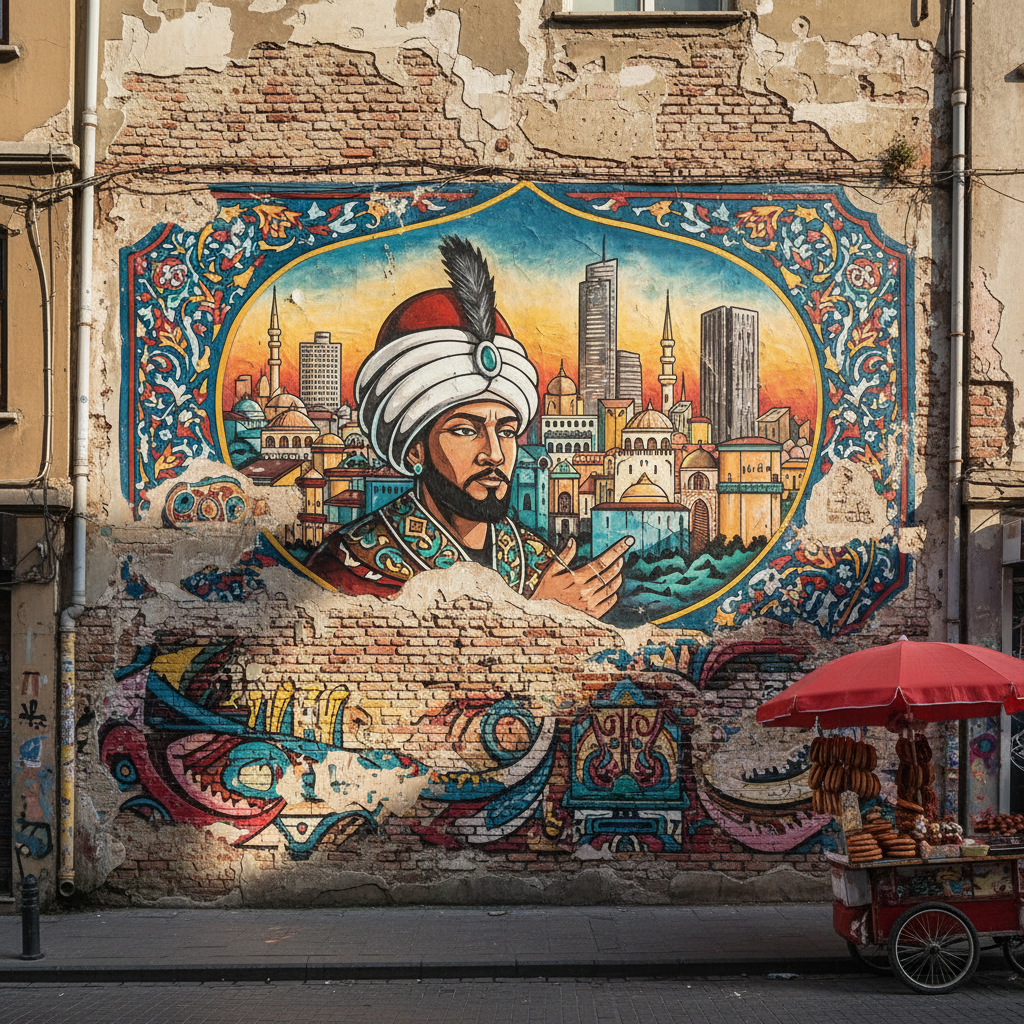
The journey of Istanbul street art from its nascent forms to its current prominence is a fascinating one. What began as underground graffiti in the late 20th century has blossomed into a recognized and celebrated art form, attracting both local and international talents. Artists continually push boundaries, using diverse techniques from stenciling and tagging to large-scale murals that often convey powerful social and political messages.
Early Roots and Influences
- Political Commentary: Early graffiti often served as a voice for dissent and social commentary, reflecting the turbulent political landscape of different eras.
- International Inspiration: Interaction with global graffiti scenes through magazines and early internet forums influenced local artists.
- Emergence of Crews: The formation of dedicated graffiti crews helped professionalize and organize the movement within the city.
Over time, the perception of street art has shifted. What was once seen as vandalism is now increasingly appreciated as cultural enrichment, adding texture and dialogue to the urban environment. This acceptance has paved the way for more ambitious projects and public art initiatives.
Growth of Public Art Projects
Municipalities and cultural organizations have increasingly embraced street art, commissioning projects that beautify public spaces and foster community engagement. These initiatives provide legal walls for artists, further legitimizing and expanding the reach of Istanbul street art.
Such projects not only deter illicit tagging but also create accessible art for everyone, democratizing the art experience. They have also helped position Istanbul as a significant hub for street art in the wider region. You can find many stunning examples that are perfect for Instagram-worthy photos.
Where to Find the Best Istanbul Street Art
To truly immerse yourself in the world of Istanbul street art, you need to know where to look. While remarkable pieces can pop up in unexpected corners, certain neighborhoods have become synonymous with this vibrant art form, acting as living museums of urban creativity.
Kadıköy: The Epicenter of Urban Expression
On the Asian side of Istanbul, Kadıköy stands as the undisputed heart of the city's street art scene. Its lively streets, particularly around Moda and Yeldeğirmeni, are adorned with some of the most impressive murals. The annual Mural Festival held here has transformed many building facades into iconic artworks.
- Yeldeğirmeni: This historic neighborhood is a prime example of urban regeneration through art, with multi-story murals dominating its narrow streets.
- Moda: Known for its bohemian vibe, Moda offers a mix of smaller, more intimate pieces alongside larger installations, often reflecting contemporary youth culture.
- Bahariye Caddesi: While less densely packed, you can find significant pieces along this bustling avenue.
Exploring Kadıköy on foot is the best way to discover its artistic treasures. Allow ample time to wander, get lost, and stumble upon hidden gems.
Beyoğlu and Cihangir: Bohemian Rhapsody Meets Urban Canvas
Back on the European side, the districts of Beyoğlu and Cihangir, famous for their bohemian atmosphere and historic architecture, also boast a vibrant collection of street art. While perhaps not as grand in scale as Kadıköy's murals, the pieces here often possess a unique charm and artistic sophistication.
As you navigate the steep, winding streets, keep an eye out for stencils, paste-ups, and smaller murals that blend seamlessly with the historic facades. These areas, rich in art galleries and cafes, provide a fitting backdrop for nuanced urban art. Discover more about the city's evolving landscape in Istanbul's Time-Traveling Trails.
Karaköy and Balat: Historic Charm with a Modern Twist
The revitalized districts of Karaköy and Balat are quickly emerging as new hotspots for Istanbul street art. Karaköy, with its industrial-chic aesthetic, features contemporary pieces often contrasting with its old port structures. Balat, a UNESCO World Heritage site known for its colorful Ottoman-era houses, offers a unique canvas where street art playfully interacts with historical architecture.
The juxtaposition of ancient and modern art here is particularly striking, offering photographers and art enthusiasts a rich visual experience. The art in these areas often reflects themes of history, transition, and community.
Notable Artists Shaping Istanbul Street Art
The thriving scene of Istanbul street art is propelled by a dedicated community of talented artists, both anonymous and acclaimed. Their distinct styles and powerful messages contribute significantly to the city's artistic landscape. Recognizing these creators helps appreciate the depth and diversity of the medium.
Local Legends and Their Mark
- Streetartistanbul (Mr. Hure): A pioneer in documenting and engaging with Istanbul's street art scene, often creating intricate pieces himself. Learn more about the city's artistic soul in Istanbul's Artisanal Echoes.
- Turbo: Known for his distinctive character-based works, often incorporating elements of Turkish culture and folklore.
- No More Lies: An anonymous collective famous for their poignant stencil art, frequently addressing social and political issues with sharp wit.
- Leo Lunatic: Recognizable for his stylized animal figures, especially the 'Lunatic Owl,' which has become an iconic motif across the city.
These artists, among many others, have not only beautified the city but also sparked conversations and challenged perceptions, cementing the status of Istanbul street art as an important cultural phenomenon. For more about urban culture, explore Urban Art.
International Contributions
Istanbul's vibrant street art scene also draws international artists, who bring diverse perspectives and techniques to the city's walls. Collaborations between local and global talents enrich the artistic dialogue and expose Istanbulites to worldwide art movements.
Events like the Mural Festival in Kadıköy often feature internationally renowned artists, further elevating Istanbul's standing on the global street art map. These cross-cultural exchanges are vital for the continuous evolution and innovation within the scene. For a deeper look at global street art trends, visit StreetArt.com.
The Cultural Impact and Future of Istanbul Street Art
The presence of Istanbul street art extends far beyond mere aesthetics; it plays a crucial role in the city's cultural identity, urban regeneration, and social discourse. It reflects the pulse of Istanbul, showcasing its dynamism and its inhabitants' creative spirit.
Urban Regeneration and Tourism
Street art has proven to be a powerful tool for urban regeneration. Areas like Yeldeğirmeni in Kadıköy have experienced significant revitalization, attracting residents and tourists drawn by the colorful murals and the vibrant atmosphere they create. Art tours specifically focused on Istanbul street art are becoming increasingly popular, contributing to local economies.
This integration of art into urban planning helps transform neglected spaces into cultural landmarks, making the city more appealing and livable. Discover more initiatives supporting public art on organizations like Public Art Dialogue.
A Platform for Expression and Dialogue
Perhaps most importantly, Istanbul street art provides an accessible platform for expression. It allows artists to comment on prevailing social issues, political events, and personal struggles, often reaching a wider audience than traditional gallery art. This democratic form of art fosters dialogue and encourages critical thinking among passersby.
The temporary nature of some street art also reflects the constant change and evolution of urban life, making each visit to a street art hotspot a unique experience.
Challenges and Opportunities
Despite increased acceptance, Istanbul street art still faces challenges, including issues of legality, preservation, and the commercialization of public spaces. However, with growing public appreciation and continued support from cultural institutions, the future looks bright.
Opportunities abound for more collaborative projects, art festivals, and educational initiatives that further cement Istanbul's reputation as a leading destination for urban art. The city's walls will undoubtedly continue to tell its stories through spray paint and murals for years to come.