Istanbul Stray Animals: Guardian Angels & Rescuers in 2026
In the vibrant, bustling metropolis of Istanbul, a unique and heartwarming aspect of daily life often captures the attention of visitors and locals alike: the prevalence and acceptance of Istanbul stray animals. These dogs and cats, far from being shunned, are an integral part of the city's fabric, often seen napping on park benches, strolling through bazaars, or even waiting patiently at traffic lights. As we navigate 2026, the city continues to grapple with and embrace its extensive stray animal population, supported by dedicated communities and official initiatives.
This deep connection to its animal residents is just one facet of Istanbul's rich cultural tapestry, which also encompasses ancient traditions and modern perfumeries and an evolving coffee culture.
The Enduring Presence of Istanbul Stray Animals: A Cultural Phenomenon
The relationship between Istanbul residents and their stray animal companions is deep-rooted, stretching back centuries. Unlike many other major cities where strays might be viewed as a nuisance, in Istanbul, they are often seen as shared community pets. This cultural acceptance fosters a unique environment where humans and animals coexist remarkably.
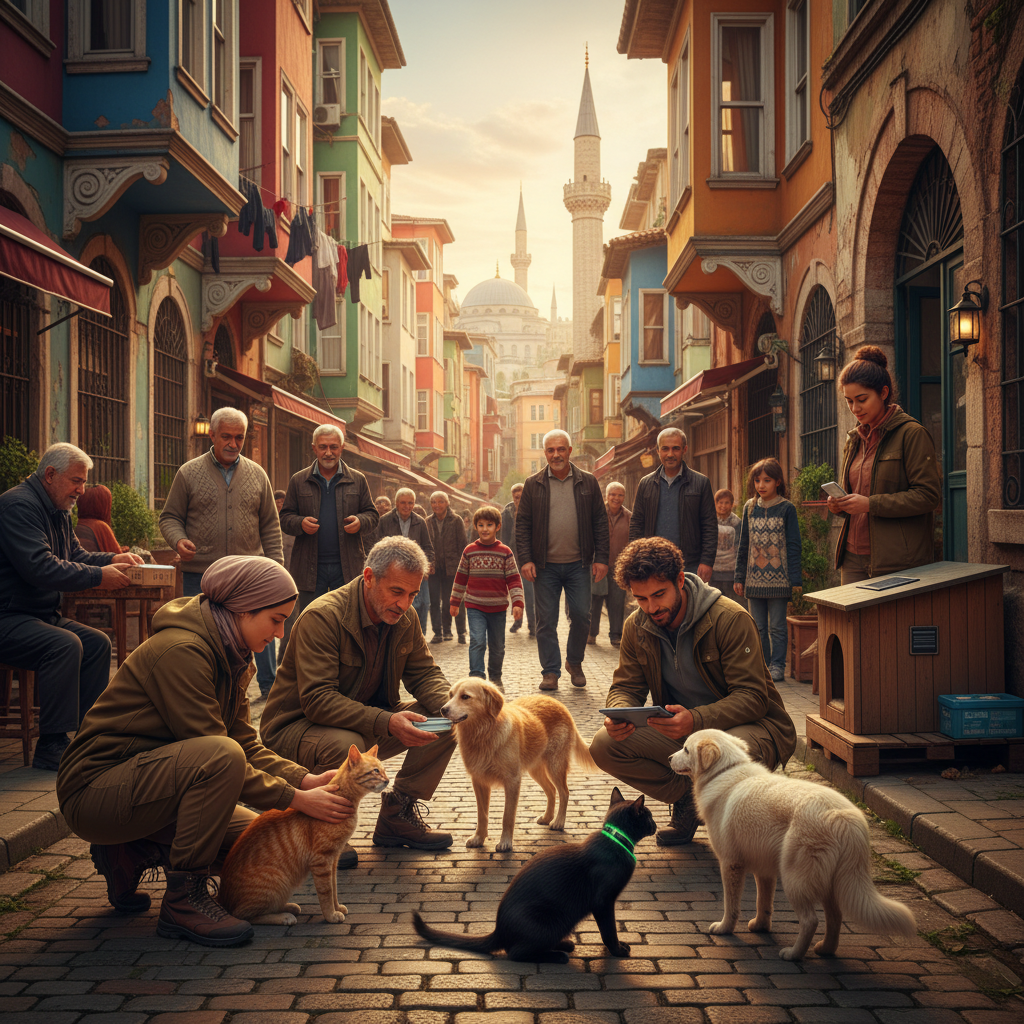
It's not uncommon to see shopkeepers leaving out bowls of food and water, or residents providing makeshift shelters during colder months. This communal care reflects a profound empathy that is deeply ingrained in Turkish society.
Historical Context of Coexistence
- Ottoman Legacy: During the Ottoman Empire, caring for animals, particularly dogs and cats, was considered a religious duty and a sign of piety.
- Urbanization and Adaptation: As Istanbul grew, these animals adapted to urban life, finding niches within neighborhoods and often forming strong bonds with local inhabitants, much like the way the city's ancient guilds and crafts shaped its economic engine.
- Modern Challenges: While the spirit of care remains, the sheer number of Istanbul stray animals poses modern challenges for their health, welfare, and public safety.
Challenges and Triumphs in Managing Istanbul Stray Animals in 2026
While the romanticized image of strays is captivating, the reality involves significant challenges. Overpopulation, access to veterinary care, disease control, and ensuring the safety of both animals and humans are ongoing concerns for Istanbul's authorities and numerous non-governmental organizations.
Despite these hurdles, significant strides have been made, particularly in recent years. Municipalities, in partnership with passionate animal welfare groups, are continually refining their strategies for Istanbul stray animals.
Key Initiatives and Progress
- Neuter/Spay and Release Programs: The most significant long-term solution involves extensive Trap-Neuter-Return (TNR) programs for cats and spay/neuter and release (SNP) programs for dogs. These are crucial in controlling population growth humanely.
- Microchipping and Tagging: Many stray dogs in Istanbul are now microchipped and fitted with ear tags, indicating they have been vaccinated and sterilized. This helps track their health and prevents unnecessary capture.
- Community Feeding Stations: Dedicated feeding stations, often stocked by locals or volunteers, ensure animals have access to food, particularly in less populated or colder areas.
The Dedicated Rescuers: 'Guardian Angels' for Istanbul Stray Animals
The true heroes in the story of Istanbul stray animals are the countless individuals and organizations working tirelessly on the ground. These 'guardian angels' dedicate their lives to feeding, sheltering, treating, and advocating for the city's feline and canine residents.
Their work often goes unrecognized but is invaluable. From emergency rescues to daily feeding routes, these volunteers embody the compassionate spirit of Istanbul, helping countless Istanbul stray animals.
Profiles of Compassion
- Individual Volunteers: Many citizens spend their own time and money to feed and tend to animals in their neighborhoods, often forming deep personal connections.
- Local NGOs: Organizations like Haytap (Animal Rights Federation in Turkey) and other smaller, localized groups play a critical role in providing veterinary care, adoptions, and public awareness campaigns for Istanbul stray animals.
- Online Networks: Social media platforms are buzzing with rescue stories, calls for donations, and adoption appeals, connecting rescuers with resources and potential adopters both locally and internationally.
How Visitors Can Contribute to the Welfare of Istanbul Stray Animals in 2026
For tourists visiting Istanbul, engaging with the Istanbul stray animals is almost inevitable. Many visitors feel compelled to help, and there are several responsible ways to contribute positively to their welfare without disrupting local efforts or causing harm.
Understanding the established practices and supporting local initiatives is the most effective approach to helping Istanbul stray animals.
Responsible Interaction and Support
- Donating to Reputable Organizations: Financial contributions to established animal welfare NGOs are always welcome and help fund vital spay/neuter campaigns, medical treatment, and food supplies for Istanbul stray animals. You can find several reputable organizations through resources like World Animal Protection.
- Not Over-feeding Human Food: While well-intentioned, feeding human scraps can cause digestive issues for animals. If you wish to feed, consider buying pet food from local stores, which also supports the local economy.
- Reporting Injured Animals: If you encounter an injured or distressed animal, contact local municipal animal control or a known animal welfare group.
- Spreading Awareness: Sharing the positive stories of Istanbul's animal care and supporting responsible tourism, as encouraged by initiatives like UNDP's sustainable tourism development goals, helps foster a better understanding globally.
The Future Landscape for Istanbul Stray Animals
Looking ahead to the remainder of 2026 and beyond, the narrative surrounding Istanbul stray animals is one of ongoing dedication and evolving strategies. With increased public awareness, technological advancements in animal tracking, and continued efforts from both state and civilian sectors, the goal remains a healthy, manageable, and well-cared-for stray population.
The city's unique approach to animal coexistence serves as a model of compassion, even as it navigates the complex realities of urban animal welfare. Istanbul's 'guardian angels' – both human and animal – continue to enrich the city's vibrant tapestry, an integral part of what makes Istanbul a truly remarkable place to explore in 2026, much like its ancient waterways and time-bending architecture.