Istanbul's Ancient Lights: Unveiling Historical Lamps, Lanterns & Modern Illumination in 2026
Step through the illuminated annals of time as we explore the fascinating Istanbul lights history. From flickering oil lamps in ancient Byzantium to the dazzling LED displays of 2026, the story of how Istanbul has been lit reflects its rich cultural tapestry and technological evolution. This captivating journey will take us through the intricate designs of Ottoman-era lanterns, the humble beginnings of street lighting, and the cutting-edge illumination transforming the city today.
For a deeper dive into the city's past, consider exploring Istanbul's Ancient Palimpsest: Unearthing Layers of Forgotten Cities Beneath the Modern Metropolis in 2026.
The Dawn of Illumination: Early Istanbul Lights History
Long before electricity, the residents of Byzantium and later Constantinople relied on rudimentary yet effective methods to chase away the darkness. The earliest forms of lighting were driven by necessity, shaping both public safety and private life within the bustling metropolis.
Flickering Flames of Byzantium
In the Byzantine era, public spaces and homes were lit primarily by oil lamps. These lamps, often made from terracotta, bronze, or glass, burned olive oil and had wicks of linen or cotton. While not providing extensive illumination, they offered enough light for domestic tasks and navigation within tightly packed city streets.
- Terracotta lamps: Common and affordable, found in archaeological digs across the city.
- Bronze lamps: More elaborate, often used in churches, palaces, and by wealthier citizens.
- Open flame torches: Used for outdoor processions and to light major thoroughfares temporarily.
Constantinople's Candles and Lanterns
With the rise of the Byzantine Empire, candle-making became more refined. Beeswax candles provided a cleaner and brighter light than oil lamps, though they were more expensive. Public lanterns, often large and suspended from ropes across streets, began to appear in more prominent areas, signaling early attempts at urban planning for evening activities. This period is crucial to understanding the foundational Istanbul lights history. To understand more about the city's public spaces, read about Istanbul's Ancient Public Art: Unveiling Forgotten Statues, Mosaics & Street Sculptures in 2026.
Ottoman Grandeur: The Evolution of Istanbul's Lighting
The Ottoman era brought significant advancements and a unique aesthetic to Istanbul's illumination. Lighting transitioned from purely functional to decorative and symbolic, especially within religious and palatial architecture.
Mosques Aglow: Chandeliers and Oil Lamps
Ottoman mosques became masterpieces of internal illumination. Grand chandeliers, often featuring hundreds of individual oil lamps or candles, descended from high domes, casting intricate patterns of light. These were not just practical; they served to enhance the spiritual ambiance and showcase the wealth and artistry of the empire.
- Sultan Ahmed Mosque (Blue Mosque): Famous for its exquisite stained-glass windows and the warm glow of countless lamps suspended within.
- Hagia Sophia: As it transitioned from church to mosque, its lighting systems adapted, incorporating large brass chandeliers.
- Decorative lanterns: Intricately carved metal lanterns, often with colorful glass panels, adorned palace interiors and noble homes, adding to the opulence. For more on these grand structures, see Istanbul's Ancient Palaces: Beyond Topkapi, Unveiling Hidden Sanctuaries of Power & Prestige in 2026.
Street Lighting and Public Safety
While street lighting remained sparse by modern standards, the Ottomans did implement systems for public safety. Guards carried lanterns, and strategic points like city gates and market squares were sometimes illuminated with larger, enclosed lamps. This rudimentary system played a vital role in preventing crime after sundown, contributing to the burgeoning Istanbul lights history. Consider how these early efforts compare to Istanbul's Ancient Markets & Modern Bazaars: A Shopper's Journey from Silk Road to 2026's Souvenirs, where light still plays a critical role.
The Arrival of Modernity: Gaslight to Electricity
The 19th and early 20th centuries marked a revolutionary period for Istanbul's lighting, as the city embraced technologies that would forever change its nighttime landscape.
The Era of Gaslight in Istanbul
The first gaslight system in Istanbul was introduced in the mid-19th century, initially serving palaces and then gradually expanding to major avenues and public squares. Gas lamps provided a significantly brighter and more consistent light than their predecessors, transforming public nightlife and extending the hours of commerce and social activity. The sight of lamplighters circulating at dusk became a common occurrence.
- First installations: Primarily in the Beyoğlu district, reflecting its European influence.
- Impact on urban life: Enabled businesses to stay open later, fostering a new kind of urban vibrancy.
- Maintenance challenges: Required extensive infrastructure for gas delivery and manual operation.
Electric Spark: Istanbul's Electrification
Electricity arrived in Istanbul in the early 20th century, heralding the true dawn of modern illumination. The first power plants and electrical grids quickly began to replace gas and oil lamps. The bright, steady glow of incandescent bulbs offered unprecedented levels of visibility and safety, rapidly changing the cityscape.
By 2026, electricity powers virtually every aspect of urban lighting, from towering skyscrapers to historical monuments, showcasing the full circle of Istanbul lights history from simple flames to complex grids.
Contemporary Illumination: Istanbul in 2026
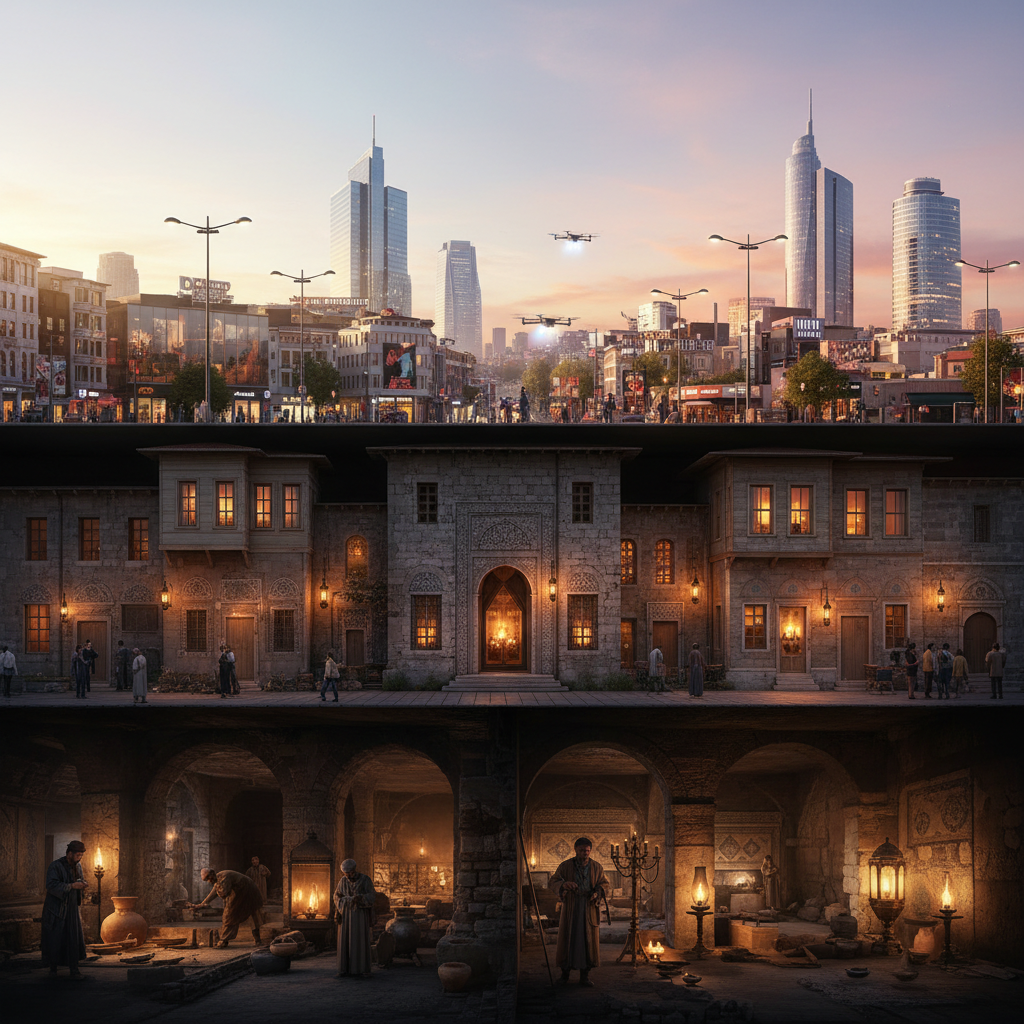
Today, Istanbul stands as a dazzling beacon of modern lighting technology, blending historical preservation with cutting-edge design. The city’s approach to illumination is both functional and artistic.
Smart Lighting and Sustainability
In 2026, Istanbul is increasingly embracing smart lighting solutions. LED technology has become dominant due to its energy efficiency, longevity, and versatility. Many new installations feature adaptive lighting systems that adjust brightness based on time of day, traffic, or pedestrian presence, significantly reducing energy consumption and light pollution.
- LED revolution: Widespread adoption for streetlights, commercial buildings, and architectural lighting.
- Smart city initiatives: Integration of lighting with IoT platforms for real-time monitoring and control. You can learn more about how cities are integrating smart technology from resources like SmartCity.org.
- Environmental consciousness: Efforts to minimize light spill and energy waste in line with global sustainability goals.
Architectural Lighting and Urban Aesthetics
Modern lighting designers use light to highlight Istanbul's iconic architecture, transforming historical landmarks into breathtaking nighttime spectacles. Bridges, mosques, and ancient walls are meticulously illuminated, enhancing their beauty and drawing attention to their intricate details. This thoughtful approach to lighting not only guides residents and tourists but also creates a dynamic visual narrative of the city's past and present.
From the Bosphorus bridges glowing with ever-changing colors to the subtly lit grandeur of Süleymaniye Mosque, contemporary lighting adds another layer to the captivating Istanbul lights history. Learn more about effective architectural lighting on sites like The Illuminating Engineering Society.
The Future of Istanbul's Luminous Landscape
As we look ahead, the evolution of Istanbul's lighting will continue to be shaped by innovation, art, and environmental concerns. The city is committed to maintaining its historical essence while embracing the possibilities offered by advanced technology.
Dynamic and Interactive Lighting
The future holds promises of more dynamic and interactive lighting schemes. Imagine public spaces where lighting can be customized for events, or historical sites where augmented reality experiences are enhanced by intelligent illumination. These advancements will further blur the lines between light, art, and technology, making the urban experience even more immersive. For more insights into future urban planning, read about Istanbul's Ancient Maps & Modern Cartography: Navigating the City's Evolving Identity in 2026.
The ongoing narrative of Istanbul lights history is one of continuous adaptation and brilliance, ensuring the city remains a beacon on the global stage.