Istanbul's Time-Bending Architecture: An Essential Istanbul Architecture Guide
Welcome to an unparalleled journey through the rich tapestry of Istanbul's architectural landscape. This comprehensive Istanbul architecture guide delves into the city's mesmerising blend of historical grandeur and contemporary innovation, offering insights into the structures that define this truly unique metropolis. From the awe-inspiring domes of Byzantine churches to the sleek lines of 2026's modern marvels, Istanbul's buildings tell a story of empires, cultural fusion, and continuous evolution. Prepare to explore a city where every corner holds a testament to centuries of design ingenuity. For more in-depth looks at the city's fascinating past, consider taking one of Istanbul's Time-Traveling Trails.
The Byzantine Legacy: Foundations of Istanbul Architecture
The Byzantine period laid the foundation for much of what we recognise as classic Istanbul architecture. This era, spanning over a thousand years, left an indelible mark on the city, visible in its iconic churches, cisterns, and fortifications. The architectural style emphasized grandeur, spiritual symbolism, and innovative engineering, often featuring domed structures and intricate mosaic work.
Hagia Sophia: A Symbol of Enduring Grandeur
No discussion of Byzantine architecture in Istanbul is complete without mentioning the Hagia Sophia. Originally built as a cathedral in the 6th century, it has served as a mosque, a museum, and now once again as a mosque. Its massive dome, an engineering marvel for its time, and its opulent interiors showcase the zenith of Byzantine design. The interplay of light within its vast space creates an almost ethereal atmosphere, a feature that continues to inspire architects globally in 2026.
Chora Church: Mosaic and Fresco Masterpieces
While smaller than the Hagia Sophia, the Chora Church (Kariye Museum) is equally significant for its stunning Byzantine mosaics and frescoes. These incredibly preserved artworks depict scenes from the lives of Christ and the Virgin Mary, offering a vivid glimpse into the artistic sensibilities of the era. The church's detailed ornamentation perfectly exemplifies the intricate beauty characteristic of Byzantine Istanbul architecture. To appreciate broader artistic expressions, explore Major Art Galleries and Museums in Istanbul.
Ottoman Splendor: The Imperial Touch in Istanbul Architecture
Following the conquest of Constantinople in 1453, the Ottoman Empire began to reshape the city's architectural identity, blending Byzantine influences with Islamic traditions and their own unique aesthetic. This new phase of Istanbul architecture saw the proliferation of magnificent mosques, palaces, and public buildings that continue to dominate the city's skyline.
Sultanahmet Mosque (Blue Mosque): A Harmonious Masterpiece
The Sultanahmet Mosque, famously known as the Blue Mosque, is a quintessential example of classical Ottoman architecture. Built in the early 17th century, its six slender minarets and cascading domes create a breathtaking silhouette. Inside, over 20,000 handmade İznik tiles, predominantly blue, give the mosque its popular name and contribute to its serene and majestic ambiance. It's a must-see for anyone interested in an Istanbul architecture guide.
Topkapi Palace: A Royal City Within a City
Topkapi Palace served as the primary residence and administrative headquarters of the Ottoman Sultans for nearly 400 years. This sprawling complex is a testament to Ottoman power and artistry, comprising numerous courtyards, pavilions, and chambers, each intricately decorated. Its design offers a fascinating insight into the daily lives of the sultans and the intricate workings of their empire.
Dolmabahçe Palace: European Influences
Moving into the 19th century, Ottoman architecture began to embrace European styles, particularly Baroque, Rococo, and Neoclassical. Dolmabahçe Palace is a prime example of this transition, showcasing a lavish blend of Ottoman and Western European influences. Its grandeur, elaborate chandeliers, and opulent interiors mark a distinct shift from the classical Ottoman aesthetic. This grand palace remains a vital component of any comprehensive Istanbul architecture guide.
Connecting Continents: Bridging Architectures and Eras
Istanbul's unique geographical position, straddling two continents, has always influenced its architecture. This cross-cultural dialogue is evident in structures that blend Eastern and Western design principles, reflecting the city's role as a historical crossroads. The Bosphorus bridges themselves are modern architectural feats connecting these diverse districts. Learn more about navigating the city's iconic waterway in Istanbul's Bosphorus Beat.
Historical Bridges and Aqueducts
Beyond the grand buildings, Istanbul's infrastructure also boasts significant architectural achievements. The Valens Aqueduct, a Roman-era structure, still stands proudly in the city, demonstrating ancient engineering prowess. Similarly, Ottoman bridges across various waterways showcase functional beauty that has endured for centuries, demonstrating the longevity of thoughtful design in Istanbul architecture. Delve deeper into the city's subterranean marvels by exploring Istanbul's Ancient Underground.
Modern Istanbul Architecture: Innovation in 2026
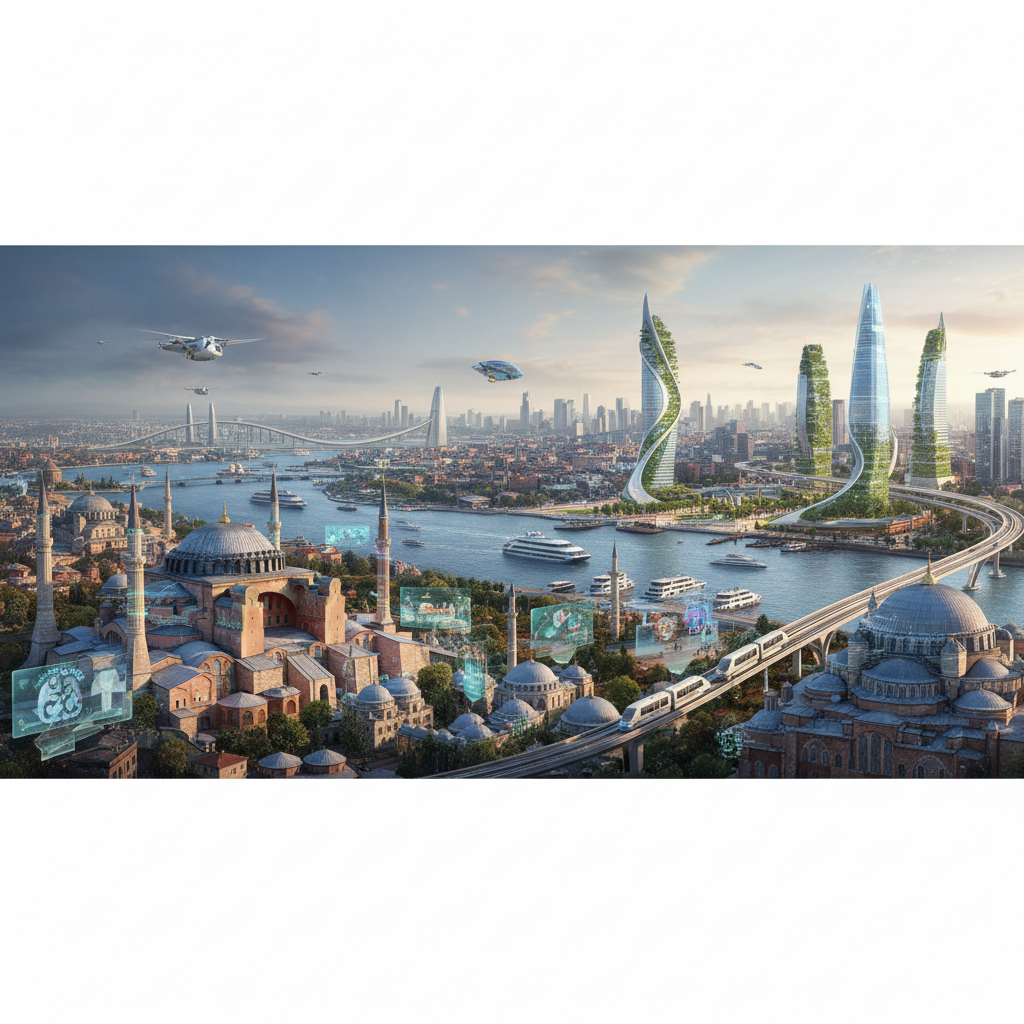
As we navigate 2026, Istanbul continues its architectural evolution, embracing contemporary designs and sustainable practices. The city's skyline is constantly being reshaped by ambitious projects, ranging from sleek skyscrapers to innovative cultural centers. This new wave of Istanbul architecture showcases a forward-thinking approach while often respectfully referencing the city's profound historical context.
High-Rise Horizons and Urban Development
In recent years, Istanbul has seen a surge in high-rise developments, particularly in districts like Levent and Maslak. These modern towers, designed by both local and international architects, house corporate offices, luxury residences, and shopping malls. Their glass facades reflect the vibrant city life, adding a new dimension to Istanbul's architectural narrative. The emphasis on smart building technologies and green spaces is also a growing trend in these contemporary developments. For examples of forward-thinking design globally, see ArchDaily, a leading resource for architecture news and projects.
Cultural and Public Spaces: Adapting for the Future
Beyond commercial ventures, Istanbul is also investing in state-of-the-art public and cultural spaces. Examples include modern museums, concert halls, and transportation hubs that seamlessly integrate into the urban fabric. These projects often prioritize accessibility, sustainability, and community engagement, reflecting a modern vision for Istanbul's future. The city's new airport, for instance, is a monumental example of contemporary engineering and design, showcasing Istanbul's ambition on a global scale as part of its ongoing architectural journey. For sustainability trends in construction, consult industry leaders like U.S. Green Building Council.
Experiencing Istanbul's Architectural Diversity
To truly appreciate the breadth of Istanbul's architectural offerings, one must explore it firsthand. Whether you're a history buff, an architecture student, or simply a curious traveler, this Istanbul architecture guide provides a starting point for your exploration.
- Walking Tours: Join guided tours focused on specific architectural periods to gain deeper insights.
- Photography: Capture the intricate details and panoramic views that make Istanbul so visually stunning. Discover the best locations with this guide to Istanbul's 'Seven Hills' & Hidden Vistas.
- Research: Delve into the stories behind the buildings, understanding their cultural and historical significance.
- Modern Perspective: Look for the new projects shaping the city today and in the coming years. Explore innovative urban planning concepts at UN-Habitat.
Istanbul's continuous architectural narrative, from its Byzantine foundations to its 2026 innovations, makes it an endlessly fascinating destination. Each structure, old or new, contributes to the city's unique identity, a tangible link between a glorious past and a dynamic future. We hope this Istanbul architecture guide inspires your visit and deepens your appreciation for this magnificent city.