Istanbul Ancient Inscriptions: Uncovering Hidden Meanings
As the vibrant metropolis of Istanbul continues to evolve in 2026, its ancient past remains strikingly present, etched into stone and immortalized in countless historical artifacts. The city’s walls, monuments, and forgotten corners hold a treasure trove of Istanbul ancient inscriptions, offering invaluable insights into millennia of human history. These textual remnants, ranging from grand imperial decrees to humble personal dedications, serve as direct voices from empires long past. Essentially, they invite us to decipher their secrets and understand the rich tapestry of cultures that once thrived here. For more hidden historical sites, explore Istanbul's Abandoned Wonders.
The Enduring Legacy of Istanbul Ancient Inscriptions
Istanbul, formerly Constantinople and before that Byzantium, stands at the crossroads of civilizations. This unique geographical and cultural position has made it a crucible for diverse languages and writing systems. From Greek and Latin to Armenian and Ottoman Turkish, the city's stones bear witness to a constantly shifting linguistic landscape, preserving countless Istanbul ancient inscriptions.
Understanding these inscriptions is not merely an academic exercise. Rather, it is a journey into the heart of the city's identity. Indeed, each carved letter, each carefully placed word, helps to paint a more complete picture of daily life, political power, religious beliefs, and artistic expressions across different eras. This rich cultural heritage is also evident in Traditional Turkish Storytelling and Performance Arts.
Unraveling Greek and Latin Epigraphy in Istanbul
The earliest significant layer of Istanbul ancient inscriptions largely dates back to its Hellenistic and Roman periods. Many of these are civic announcements, dedications to deities or emperors, and epitaphs on tombs. For instance, the Hippodrome's obelisk base contains fascinating Latin inscriptions detailing its restoration and the achievements of Theodosius I.
- Byzantine Greek: This language dominated the city from the 4th to the 15th century. Numerous churches, cisterns, and city walls feature religious texts, donor names, and imperial decrees in Greek. These Greek inscriptions are vital for understanding the Byzantine era.
- Roman Latin: Latin was prominent during the Roman period, especially before Constantinople became the capital. Public works and military monuments often display Latin texts, adding to the collection of Istanbul ancient inscriptions.
Ottoman Turkish and Arabic Calligraphy
With the Ottoman conquest in 1453, a new linguistic and artistic tradition took root. Ottoman Turkish, written in the Arabic script, flourished, particularly in the form of intricate calligraphy. Mosques, fountains, and tekkes (dervish lodges) are adorned with verses from the Quran, poetic couplets, and the names of sultans, forming a significant part of Istanbul ancient inscriptions.
The beauty of Ottoman Istanbul ancient inscriptions is often found in their aesthetic presentation, where the written word becomes an art form itself. Decoding these therefore requires an appreciation for both the language and the artistic flourishes.
Key Sites for Discovering Istanbul Ancient Inscriptions in 2026
For visitors and history enthusiasts alike, Istanbul offers numerous locations where these whispers from the past are still tangible. Exploring these sites provides a unique connection to the city's layered history through its ancient inscriptions.
Hagia Sophia: A Palimpsest of Faiths
The Hagia Sophia, a monument that has served as a church, a mosque, and now a mosque again, is a prime example of Istanbul's inscription heritage. Its walls hold both early Christian Greek mosaics and later Ottoman calligraphic roundels. The blend of these different textual traditions within one structure is particularly striking.
Look for the faint remnants of Greek prayers alongside grand Arabic names, telling a story of continuous reinterpretation and reverence. This showcases the rich history of Istanbul ancient inscriptions.
The Theodosian Walls: Stories of Defense
The magnificent Theodosian Walls, built in the 5th century, are not just architectural marvels but also repositories of historical narrative. Many sections feature Greek inscriptions detailing their construction, repairs, and dedications. These texts often provide crucial dates and names, helping historians piece together the city's defensive strategies and imperial power. These ancient inscriptions are a testament to the city's resilience.
Topkapi Palace and Its Imperial Decrees
As the administrative heart of the Ottoman Empire for centuries, Topkapi Palace is replete with Istanbul ancient inscriptions. From the imperial gates to the intricate tilework within its pavilions, one can find Ottoman Turkish and Arabic calligraphy announcing decrees, praising Allah, and glorifying the sultans.
These inscriptions offer a glimpse into the daily functioning of the imperial court and the religious underpinning of the empire.
The Challenges of Preserving and Interpreting Istanbul Ancient Inscriptions
The preservation and accurate interpretation of Istanbul ancient inscriptions present significant challenges. Exposure to the elements, urban pollution, and the sheer passage of time all contribute to the erosion and fading of these precious historical records. Therefore, diligent efforts are crucial.
Furthermore, deciphering these texts often requires specialized linguistic and paleographic skills. Many ancient scripts have fallen out of common use, and even those still understood can be challenging to read due to their age and context. You can delve deeper into linguistic insights by visiting relevant academic resources, such as the Dumbarton Oaks Epigraphy Collection, which offers extensive resources on Byzantine and other ancient inscriptions.
Conservation Efforts in 2026 for Ancient Inscriptions
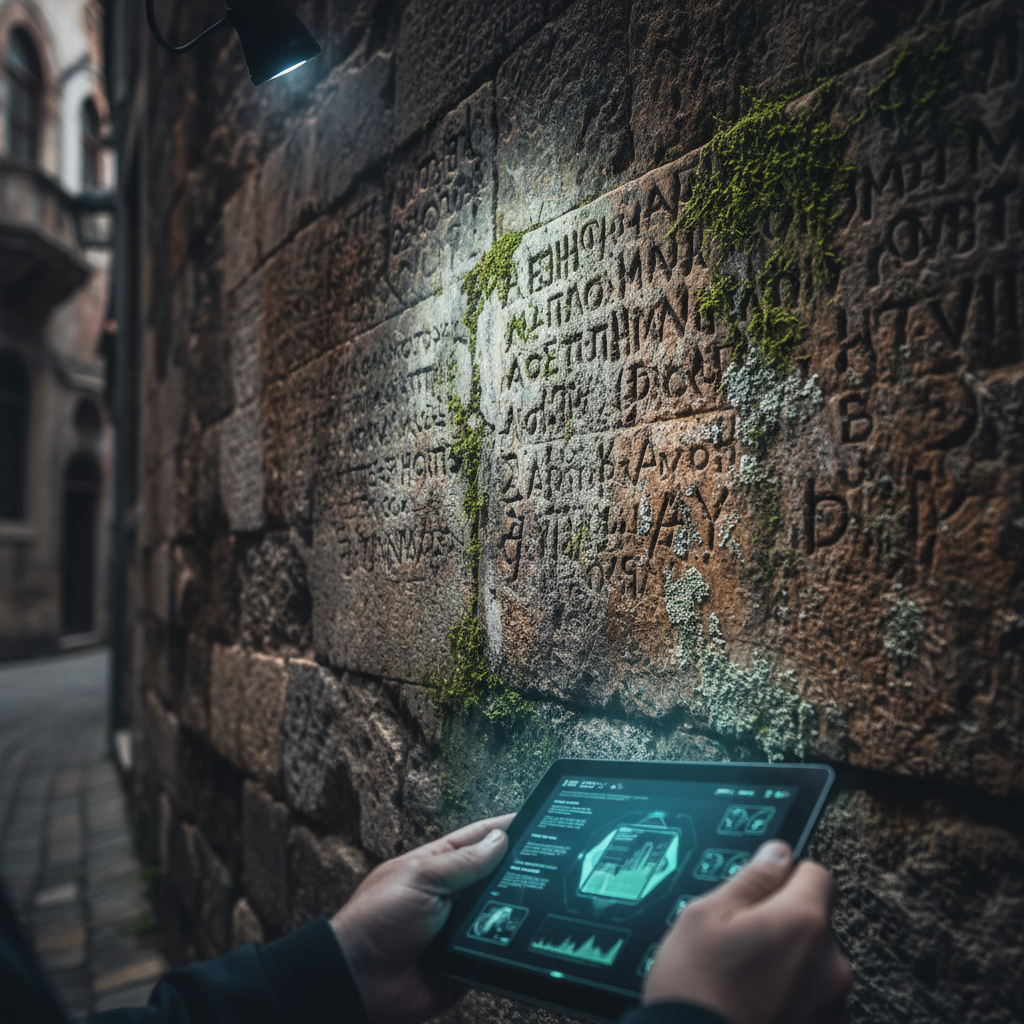
In 2026, various national and international bodies continue their vital work in conserving Istanbul's epigraphic heritage. Advanced laser scanning, digital imaging, and 3D modeling are increasingly used to document and preserve inscriptions that are at risk of deterioration. These technologies not only aid in preservation but also make these texts more accessible for scholarly research and public appreciation of Istanbul ancient inscriptions.
- Digital Archiving: Projects are underway to digitize rubbings and photographs of inscriptions, creating virtual libraries accessible worldwide.
- Restoration Teams: Expert conservators are actively working on cleaning, reinforcing, and protecting ancient carved stone. For more information on stone conservation techniques, you might refer to publications by conservation organizations like the Getty Conservation Institute.
The Role of Academic Research and Technology
Academia plays a critical role in the ongoing interpretation of Istanbul ancient inscriptions. Epigraphers, linguists, and historians collaborate to translate, contextualize, and publish these texts. Notably, artificial intelligence and machine learning are also beginning to assist in the analysis of large datasets of inscriptions, helping to identify patterns and connections that might otherwise go unnoticed.
These technological advancements promise to unlock even deeper meanings from the city's stony archives, enriching our understanding of its past in unprecedented ways. For current research in epigraphy, journals like the Journal of Roman Archaeology often feature relevant articles.
Conclusion: The Ongoing Dialogue with Istanbul's Past
The Istanbul ancient inscriptions are far more than mere carvings on stone; they are living testaments to the continuous human story that has unfolded in this extraordinary city. They invite us to slow down, observe, and listen to the silent voices that have shaped Istanbul's identity over millennia.
As we navigate the bustling streets of Istanbul in 2026, taking the time to seek out and appreciate these historical texts offers a profound connection to its layered heritage. Ultimately, they remind us that history is not just found in books, but is vividly present, etched into the very fabric of the city itself, waiting to be discovered and understood. Continue your journey through Istanbul's unique history by exploring Istanbul's Urban Legends & Mythical Charms.