Istanbul Ancient Ingredients: Unearthing Forgotten Flavors & Time-Honored Harvesting in 2026
In the vibrant tapestry of Istanbul's culinary scene, a captivating trend is emerging in 2026: a deep dive into the historical roots of its gastronomy. Modern chefs and food enthusiasts are increasingly turning their attention to Istanbul ancient ingredients, seeking to revive flavors and techniques that have been part of the city's heritage for centuries. This exploration is not just about historical curiosity; instead, it's a profound quest to understand the influence of geography and cultural exchange on what people ate. From Byzantine banquets to Ottoman feasts, Istanbul's culinary journey is rich and complex. For a deeper look into the city's gastronomic past, explore Istanbul's Ancient Culinary Scripts: Deciphering Forgotten Recipes and Food Lore in 2026.
The Echoes of Empire: Tracing Istanbul Ancient Ingredients to Their Roots
Istanbul, formerly Constantinople, has always been a crossroads of civilizations. This unique position meant a constant influx of new ideas, people, and, crucially, ingredients. Consequently, the culinary landscape was incredibly diverse. It drew spices from the East, grains from Anatolia, and fresh produce from the fertile lands surrounding the Bosphorus.
Understanding the provenance of these ingredients offers a compelling window into the daily lives and grand celebrations of past eras. From the humble chickpea to exotic saffron, each item tells a compelling story of trade, conquest, and adaptation. The research into these food sources often involves delving into ancient texts and archaeological findings. Much like the city’s ancient guilds and crafts, these culinary traditions formed an economic engine contributing to the metropolis's prosperity.
Byzantine Basils and Roman Rosemary: Early Culinary Staples
Before the Ottomans, the Byzantine Empire left an indelible mark on Istanbul's plate. Herbs like basil, rosemary, and thyme, now pantry staples, were cultivated extensively. Their use extended beyond mere flavor; they were intertwined with medicinal practices and religious rituals.
Indeed, archaeological digs frequently uncover remnants of ancient kitchens and gardens. These findings provide tangible evidence of what was grown and consumed, making them invaluable for meticulously reconstructing the culinary past. For more on the city's green spaces, see Istanbul's Ancient Gardens & Modern Green Spaces: A Botanical Journey Through Time in 2026.
Ottoman Opulence: Spices, Grains, and Fruits Aplenty
The Ottoman era introduced an even greater breadth of ingredients. Silk Road trade routes brought a kaleidoscope of spices from Asia, including cloves, cinnamon, and nutmeg. These quickly became integral to Turkish cuisine. Staple grains like bulgur and various lentils also flourished abundantly.
Moreover, the Ottoman court was renowned for its elaborate banquets. These feasts featured dishes showcasing a rich array of fruits, nuts, and exotic vegetables. This era truly cemented the diverse culinary identity that still defines Istanbul today. The rich history of trade that brought these ingredients to Istanbul's shores is also evident in its ancient harbors and maritime tales.
Reviving Lost Flavors: Modern Approaches to Istanbul Ancient Ingredients
In 2026, chefs in Istanbul are not just studying history; they are actively bringing it to life. This involves a meticulous process of identifying, sourcing, and, often, re-cultivating plants. Many of these plants were once common but have since faded from mainstream use. This movement emphasizes sustainability and a deep connection to local heritage.
Hence, restaurants are increasingly showcasing "heritage menus" that feature dishes inspired by or directly replicating ancient recipes. This trend appeals to both locals seeking a connection to their past and tourists eager for an authentic culinary experience that goes beyond the familiar.
Forgotten Grains and Pulses: A Nutritional Renaissance
While wheat and rice dominate today, ancient Istanbul relied on a wider variety of grains and pulses. Emmer wheat, spelt, and various types of ancient barley are now being rediscovered. These grains often offer unique textures and richer nutritional profiles compared to their modern counterparts.
Working collaboratively, local farmers and culinary experts are beginning to experiment with growing these forgotten varieties. This concerted effort helps preserve agricultural biodiversity and provides chefs with rare ingredients once more.
Wild Foraging and Sustainable Harvesting: Connecting to Nature's Bounty
Part of the quest for Istanbul ancient ingredients involves looking beyond cultivated fields to the wild. The hills and forests surrounding Istanbul were historically a source of wild edibles. These included mushrooms, wild greens, berries, and herbs. Sustainable foraging practices are now being employed to gather these ingredients responsibly.
This approach connects modern diners with the hunter-gatherer roots of early inhabitants. Furthermore, it highlights the importance of preserving natural ecosystems that support these diverse food sources.
The Culinary Archaeology of Istanbul Ancient Ingredients
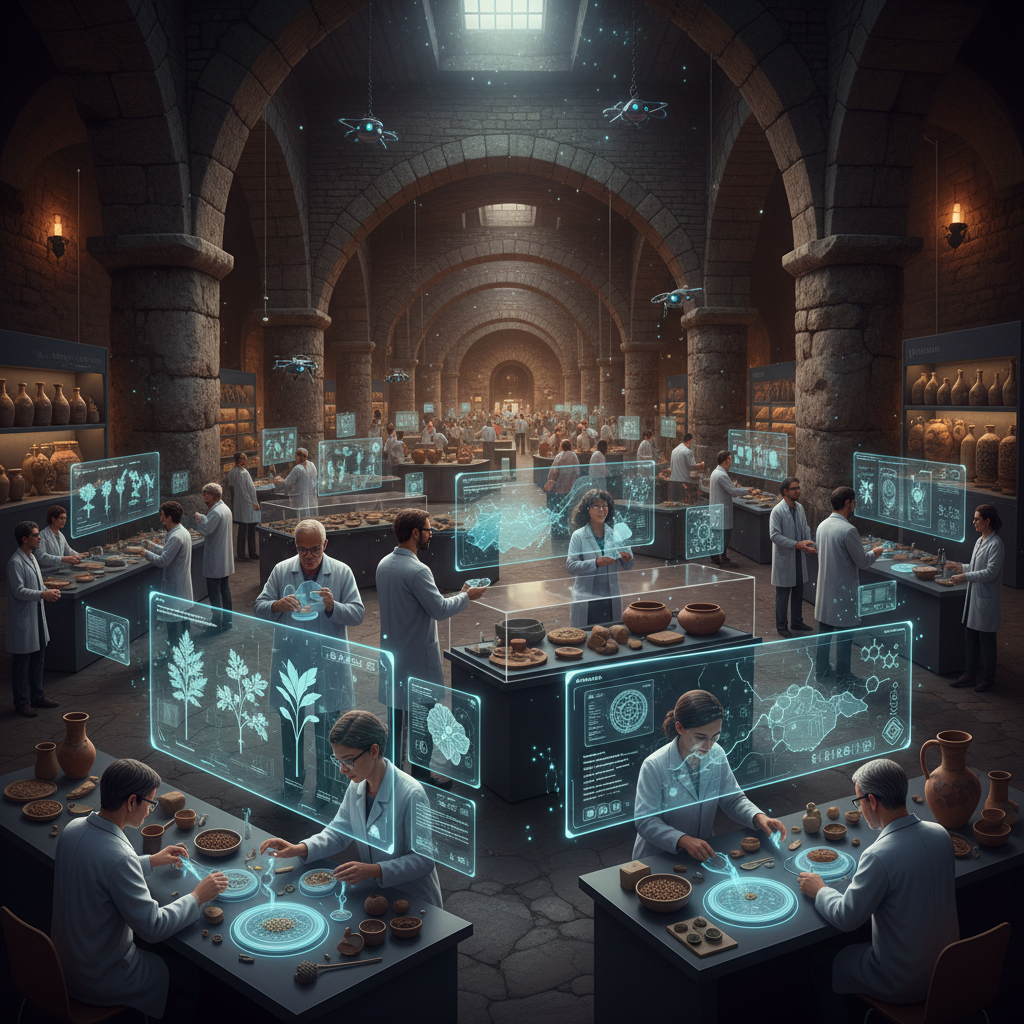
The process of unearthing Istanbul's forgotten foodways is akin to culinary archaeology. Researchers pore over historical documents. These include Ottoman palace kitchen records, Byzantine monastic recipes, and even traveler accounts. Their goal is to piece together the dietary habits of previous generations. This involves cross-referencing ingredient names, cooking techniques, and even serving traditions.
Significantly, academic institutions and culinary schools are playing a crucial role in this research. They offer courses and workshops dedicated to historical food preparation, allowing aspiring chefs to learn about these ancient traditions firsthand. The ultimate goal is to build a comprehensive catalog of Istanbul ancient ingredients and their uses.
Decoding Ancient Recipes and Texts: Unlocking Culinary Secrets
Working with ancient recipes can be challenging due to vague measurements, unfamiliar terminology, and differing cooking methods. Culinary historians often act as translators, interpreting these historical documents for a modern audience. They reconstruct dishes based on available evidence, sometimes even using modern scientific analysis to determine ingredient composition.
Moreover, the effort goes beyond mere replication; it's about understanding the "why" behind the "what." What nutritional purpose did certain ingredients serve? How did cultural beliefs influence dietary choices in past eras?
Collaborations: Historians, Farmers, and Chefs Unite
The revival of Istanbul ancient ingredients is a truly collaborative effort. Historians provide the textual evidence, farmers cultivate the heirloom varieties, and chefs experiment with integrating them into contemporary cuisine. This interdisciplinary approach ensures accuracy and fosters innovation.
Interestingly, food festivals and culinary events dedicated to historical Turkish cuisine are becoming more popular in 2026. These gatherings provide vital platforms for sharing knowledge, showcasing rediscovered ingredients, and celebrating Istanbul's rich culinary heritage.
Economic and Cultural Impact of Embracing Ancient Ingredients in 2026
The resurgence of interest in Istanbul ancient ingredients is having a multifaceted impact on the city. Economically, it supports local farmers who are willing to cultivate less common, heritage crops. It also creates a niche market for artisanal food products derived from these ancient sources, thereby contributing positively to local economies. For insights into ancient economic practices, you might find Istanbul's Ancient Fortunes: Unearthing Byzantine & Ottoman Economic Secrets in 2026 informative.
Culturally, this movement strengthens Istanbul's identity as a city with a deep and continuous gastronomic history. It fosters a sense of pride and encourages a deeper appreciation for the traditions that have shaped its unique cuisine. This trend positions Istanbul as a leader in culinary heritage preservation globally. Further reading on global food history and forgotten ingredients can be found at Slow Food's Ark of Taste, an external resource dedicated to cataloging endangered heritage foods.
Boosting Agri-Tourism and Culinary Tourism: A Flavorful Journey
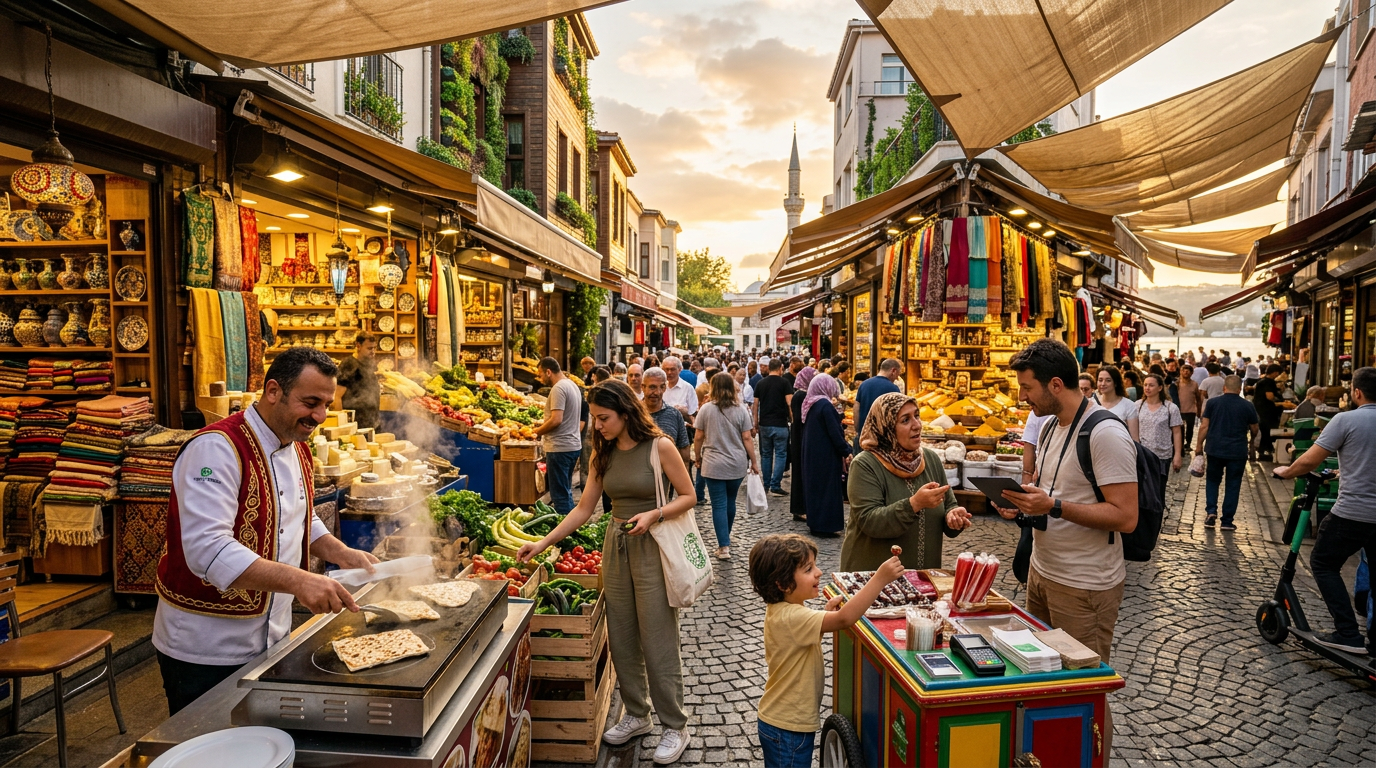
The focus on historical ingredients is also attracting a new wave of tourists interested in Istanbul's culinary past. Agri-tourism initiatives, such as farm visits showcasing heirloom crops, are gaining significant traction. Culinary tours are increasingly incorporating visits to markets and specialized restaurants that highlight these ancient ingredients.
This kind of tourism offers a richer, more immersive experience for visitors. It allows them to connect with the land and the history of the food they consume in a meaningful way. For those interested in discovering more about local, ancient crop varieties and their cultivation, the FAO's work on plant genetic resources provides valuable global context (external link).
Education and Future Generations: Sustaining Culinary Legacy
Educating younger generations about these ancient foodways is crucial for ensuring their longevity. Schools and community programs are incorporating lessons on traditional agriculture, historical cooking techniques, and the importance of biodiversity. This instills an early appreciation for the continuity of Istanbul's culinary legacy.
Through these continuous efforts in 2026, the forgotten flavors of Istanbul are not just being unearthed; they are also being actively woven back into the city's vibrant culinary present. This promises a future rich with the tastes of its storied past. To learn more about modern efforts in seed preservation, visit Kew's Millennium Seed Bank (external link).