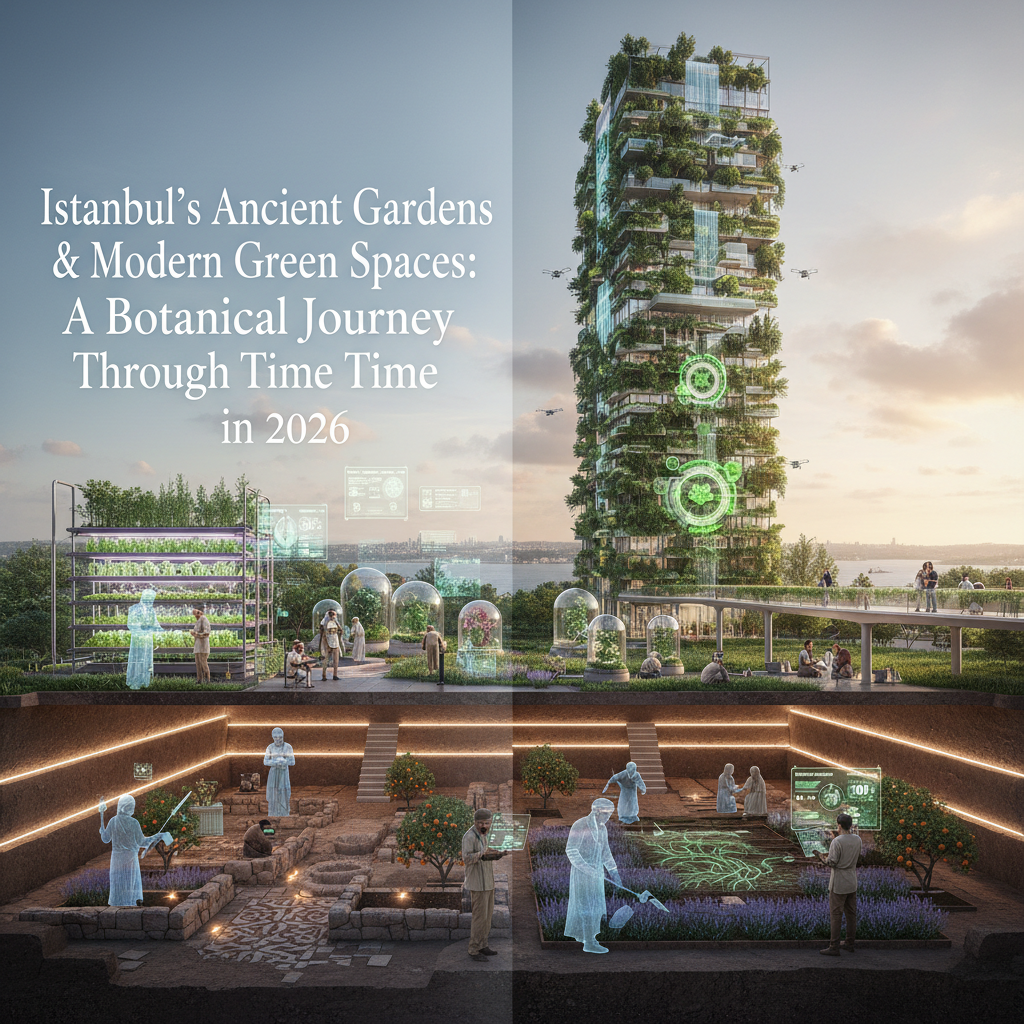
Discovering Istanbul's Ancient Gardens: A Botanical Journey Through Time in 2026
Stepping into the vibrant metropolis of Istanbul, one often envisions grand mosques, bustling bazaars, and the shimmering Bosphorus. However, beneath the modern veneer lies a rich tapestry of history, particularly evident in the city’s stunning green spaces. From the opulent grounds of Ottoman palaces to the serene courtyards of Byzantine churches, Istanbul ancient gardens offer a captivating glimpse into centuries of horticultural artistry and urban planning. These historical havens, beautifully preserved and evolving, continue to enchant visitors and locals alike in 2026, offering a unique blend of natural beauty and cultural significance.
The Enduring Legacy of Istanbul Ancient Gardens
The concept of a garden, a cultivated paradise, has deep roots in Anatolian history. Long before the Ottomans, Byzantine emperors and Roman governors understood the importance of green urban spaces for pleasure, contemplation, and even sustenance. These historical layers have contributed to the diverse character of Istanbul ancient gardens.
Today, these green spaces serve as vital lungs for the city, providing respite from the urban hustle. They are not merely decorative but embody a philosophical approach to life, emphasizing harmony between nature and human endeavor. Many of them are now popular tourist destinations, attracting millions of visitors annually. For more insights into the city's hidden natural wonders, delve into Istanbul's 'Time-Capsule Gardens': Unveiling Historic Palaces, Secret Tea Houses & Botanical Masterpieces.
Byzantine Era Green Spaces: Echoes of a Fallen Empire
While often overshadowed by Ottoman grandeur, Byzantine Istanbul was home to numerous sophisticated gardens. Accounts from chroniclers describe elaborate imperial gardens, monastic courtyards, and private estates adorned with exotic plants and intricate water features. Though few direct physical remnants survive, their influence can be felt in the city's approach to landscape design.
- Bucoleon Palace Gardens: Though largely lost to time, historical texts speak of magnificent seaside gardens adjoining the imperial palace, offering stunning views of the Marmara Sea.
- Monastic Gardens: Many Byzantine monasteries, like the Chora Church, would have featured small, functional gardens for herbs and meditation, providing a sense of tranquility. The design and purpose of these green spaces often mirrored the spiritual and daily life found within Istanbul's Ancient Libraries & Unseen Scrolls.
Ottoman Imperial Gardens: A World of Scent and Splendor
The Ottoman Empire truly perfected the art of garden design in Istanbul. Their gardens were not just ornamental but served multiple purposes: hunting grounds, places of leisure, settings for courtly ceremonies, and even experimental botanical stations. The opulence and functionality of these spaces were unparalleled.
These gardens were carefully planned, incorporating elements like cypress trees symbolizing eternity, rose gardens representing beauty and purity, and intricate water channels for both irrigation and aesthetic appeal. Exploring these Istanbul ancient gardens offers a profound understanding of Ottoman culture.
Topkapı Palace Gardens: The Heart of Ottoman Horticulture
No discussion of Istanbul ancient gardens is complete without highlighting the magnificent grounds of Topkapı Palace. Once the administrative heart and personal residence of Ottoman sultans for centuries, its expansive gardens are a journey through different eras and styles.
Comprising several courtyards and terraces, these gardens were meticulously maintained and continually enhanced. They showcase a blend of Persian, Central Asian, and local Anatolian influences, reflecting the empire's vast reach. Visitors in 2026 can still marvel at their timeless beauty. The palace's grandeur is also reflected in the stories of Istanbul's Ancient Palaces & Forgotten Harem Stories.
The First Courtyard: The Outer Garden (Alay Meydanı)
This vast area, also known as the Parade Court, wasn't strictly a garden in the ornamental sense but rather a grand public space lined with trees and offering access to various palace functions. It set the tone for the grandeur within the palace walls.
The Second Courtyard: The Divan Square (Divan Meydanı)
More formally structured, this courtyard features ancient plane trees and carefully manicured lawns, leading to the imperial council chambers. It was a place of official business and ceremonial gatherings, with a controlled natural environment.
The Third Courtyard: The Inner Garden (Enderûn Avlusu)
This is where the true private gardens began, accessible only to the Sultan and his inner circle. Here, fragrant flowers, small pools, and shaded pathways created a serene and private world. The Tulip Garden, while not as prominent as during the Tulip Era, still showcases the flower's historical significance.
The Fourth Courtyard: The Imperial Terraces (Sofa-i Hümayun)
Perched high above the Bosphorus, these terraces offered breathtaking panoramic views and housed several pavilions, including the Baghdad Kiosk and the Revan Kiosk. Each pavilion had its own exquisite micro-garden, designed for intimate enjoyment and contemplation, featuring intricate tile work and lush plantings.
Beyond Topkapı: Other Notable Istanbul Ancient Gardens
While Topkapı takes center stage, Istanbul boasts several other historical green spaces that offer equally enriching experiences. These sites allow for a deeper dive into the city's varied horticultural heritage.
From imperial hunting grounds to public parks developed in later periods, the variety of Istanbul ancient gardens is truly impressive. Each one tells a unique story about its creators and its role within the urban fabric.
Gülhane Park: The Rose House Garden
Adjacent to Topkapı Palace, Gülhane Park was once part of the palace's outer gardens. Opened to the public in 1912, it transformed into one of Istanbul's most beloved urban parks. Its name, "house of roses," hints at its former glory when it was brimming with fragrant rose varieties.
- Historical Significance: It was here that the Gülhane Edict of 1839, marking the beginning of the Tanzimat reforms, was proclaimed.
- Modern Enjoyment: Today, it offers shaded walkways, picnic spots, and plays host to various cultural events, especially during the annual Istanbul Tulip Festival in spring 2026.
Yıldız Park: Imperial Retreat and Natural Beauty
Located in the Beşiktaş district, Yıldız Park was part of the imperial garden of the Yıldız Palace. Originally a natural forest, it was developed into a beautiful park with artificial lakes, cascades, and various kiosks during the late Ottoman period, particularly under Sultan Abdülhamid II.
Its rolling hills, diverse plant life, and tranquil atmosphere make it a perfect escape from the city's pace. The park is a testament to the latter-day Ottoman desire for more naturalistic, English-style garden designs merged with traditional elements.
The Future of Istanbul Ancient Gardens and Modern Green Spaces
In 2026, awareness of the importance of green spaces for urban well-being and environmental sustainability is higher than ever. Istanbul is actively working to preserve its historical gardens while also developing new, modern green areas.
The city faces challenges such as urban sprawl and climate change, but efforts are underway to protect these botanical treasures. Conservation projects and educational initiatives ensure that the legacy of Istanbul ancient gardens continues for future generations. To understand how cities are integrating nature, explore insights from the Urban Gardening Institute.
- Restoration Projects: Ongoing efforts focus on restoring historical garden elements, reintroducing historically appropriate plant species, and enhancing visitor experience.
- Sustainable Practices: Modern maintenance incorporates sustainable gardening practices to minimize environmental impact and promote biodiversity within these historical settings. For more on the evolution of urban landscapes, consider the perspectives offered by the Landscape Institute.
- Accessibility: Improving accessibility to these sites ensures that everyone can enjoy the beauty and history embedded within Istanbul's green heritage.
A Timeless Journey Through Greenery
From the grandeur of imperial grounds to the quiet serenity of hidden courtyards, Istanbul ancient gardens are living museums, each with a story to tell. They are testaments to human ingenuity, artistic expression, and a profound connection to nature that has transcended centuries.
Whether you're a history buff, a nature lover, or simply seeking a peaceful retreat, these remarkable green spaces offer an unparalleled opportunity to connect with Istanbul's soul. In 2026, they remain vibrant, essential parts of the city's identity, inviting all to explore their enduring beauty and rich cultural tapestry, much like the broader history of Istanbul itself.