Istanbul Ancient Crafts: Timeless Traditions
In the vibrant tapestry of Istanbul, where East meets West and history intertwines with modernity, a profound narrative unfolds through its traditional artistry. Istanbul ancient crafts are not just relics of the past; they are living traditions, meticulously preserved and passionately practiced by master artisans. In 2026, as the city continues its relentless march forward, these timeless techniques offer a tangible link to Istanbul's rich cultural heritage, providing unique insights for visitors and a vital connection to its soul.
The Enduring Legacy of Istanbul Ancient Crafts
For centuries, Istanbul has served as a crucible of artistic expression, a crossroads where diverse cultures contributed to a unique spectrum of craftsmanship. From the opulent courts of the Ottoman Empire to the bustling bazaars, skilled hands have transformed raw materials into works of breathtaking beauty and utilitarian purpose. Indeed, these crafts are more than just objects; they embody stories, traditions, and an enduring spirit of creativity.
Today, these ancient crafts face the dual challenge of modernization and globalization. Yet, dedicated individuals and organizations are working tirelessly to ensure their survival and relevance. They understand that preserving these skills is crucial for maintaining Istanbul's distinctive cultural identity, much like the efforts to preserve ancient culinary scripts and historical botanical knowledge.
Tracing the Roots: A Historical Overview of Istanbul Ancient Crafts
The origins of many Istanbul ancient crafts can be traced back to the Byzantine and Ottoman periods, when imperial patronage fostered an environment of exceptional artistic development. Guilds, known as "esnaf," played a pivotal role in regulating quality, training apprentices, and ensuring the continuity of these traditions. Their influence shaped the very fabric of the city's economy and social structure.
- Byzantine Influence: Early crafts often featured intricate mosaics, illuminated manuscripts, and exquisite metalwork.
- Seljuk Contributions: Introduced sophisticated tilework, calligraphy, and carpet weaving techniques.
- Ottoman Zenith: During this period, ceramics, miniature painting, marbling (Ebru), silversmithing, and various textile arts flourished, alongside a burgeoning interest in economic secrets and trade.
Each craft, therefore, tells a distinct story, reflecting the historical periods and cultural exchanges that have shaped this magnificent city. Exploring these Istanbul ancient crafts offers a unique window into the past.
Exploring the Diverse World of Istanbul's Ancient Craftsmanship
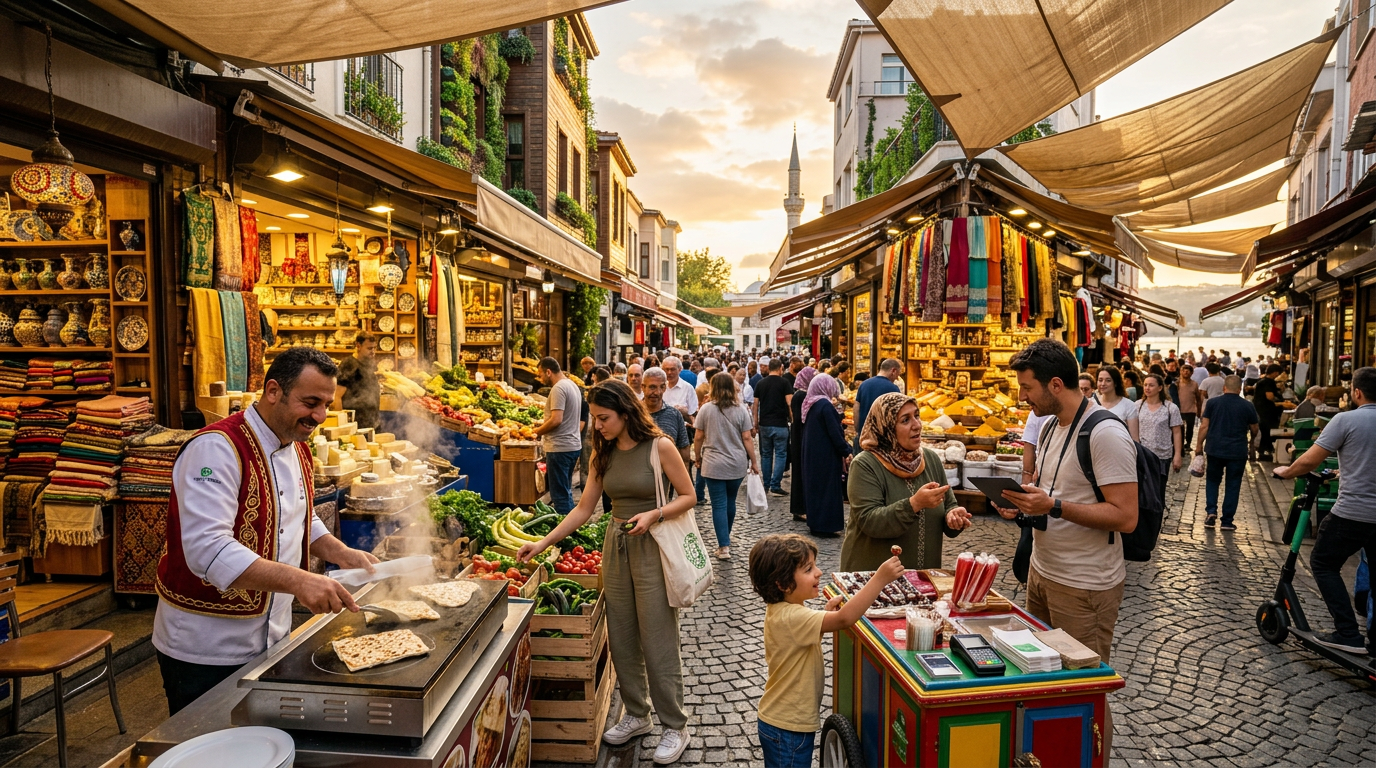
Istanbul's craft scene is incredibly diverse, encompassing a wide array of materials and techniques. Visitors in 2026 have the unique opportunity to witness these skills firsthand, often directly from the artisans themselves. Engaging with these Istanbul ancient crafts offers a deeper appreciation for the city's artistic soul.
Ebru: The Art of Water Marbling
Ebru, or paper marbling, is perhaps one of the most mesmerizing and unique of all Istanbul ancient crafts. This exquisite art involves floating colors on a viscous solution, manipulating them into patterns, and then transferring the design onto paper or other materials. Each piece is a spontaneous creation, an ephemeral dance of pigments on water.
Its origins are debated, but it blossomed in Ottoman Istanbul, where it was extensively used for decorative purposes, especially in calligraphy and bookbinding. Today, workshops across the city offer insights into this delicate art, allowing participants to try their hand at creating their own marbled masterpieces. For a deeper dive into the historical use of natural dyes and pigments in Istanbul's artistic traditions, explore related articles.
Traditional Turkish Carpet and Kilim Weaving in Istanbul
The art of carpet and kilim weaving is synonymous with Turkish culture, and Istanbul remains a vital hub for this enduring tradition. Turkish carpets are renowned worldwide for their intricate patterns, rich colors, and exceptional durability, often carrying deep symbolic meanings. Furthermore, each region and even individual families have distinct weaving styles and motifs.
Learning about the natural dyes, knotting techniques, and the stories embedded within these textiles is a fascinating journey into Turkish heritage. Authenticity is key when purchasing; always seek out reputable dealers who can provide provenance and discuss the handcrafting process. These traditional Istanbul ancient crafts are truly works of art. To understand more about the art of Turkish textiles, consider visiting the Turkish Cultural Foundation's section on textiles.
Where to Discover and Support Istanbul Ancient Crafts in 2026
For travelers interested in experiencing Istanbul ancient crafts, the city offers numerous opportunities to observe, learn, and purchase authentic pieces. Moreover, supporting these artisans directly contributes to the preservation of these invaluable traditions.
- Grand Bazaar & Spice Bazaar: While tourist-heavy, these historic markets still house many traditional craft shops, especially for jewelry, textiles, and ceramics. Be prepared to haggle and look for quality.
- Arasta Bazaar: Located behind the Blue Mosque, this smaller bazaar is known for its focus on authentic handmade goods, including carpets, tiles, and ceramics.
- Caferağa Medresesi: This former madrasa near Hagia Sophia now functions as a cultural center offering workshops for various crafts like Ebru, calligraphy, and felt making. You can find more information about its programs at its official website.
- Sultanahmet and Beyoğlu Districts: Explore smaller, independent ateliers and galleries that specialize in high-quality, contemporary interpretations of traditional crafts. For insights into general shopping districts, the Go Türkiye website provides a helpful overview.
Many larger cultural centers and city-run initiatives also host temporary exhibitions and craft fairs throughout the year, especially in spring and autumn 2026. Keep an eye on local events listings for the most current opportunities to engage with Istanbul ancient crafts.
The Future of Istanbul Ancient Crafts: Challenges and Hopes
The journey of Istanbul ancient crafts into the 21st century is not without its hurdles. Economic pressures, the allure of mass production, and the dwindling number of apprentices pose significant threats. The meticulous, time-consuming nature of these crafts often makes them more expensive than their factory-made counterparts, challenging their market viability.
However, there is renewed hope. A growing global appreciation for handmade, sustainable, and culturally rich products is breathing new life into these ancient traditions. Both local and international organizations are investing in initiatives to document techniques, provide training, and open new markets for artisans. The city's dedication, evidenced by ongoing cultural programs in 2026, reinforces its commitment to these invaluable artistic legacies.
The future of Istanbul's ancient crafts lies in balancing tradition with innovation, ensuring that these skills remain relevant and appealing to new generations of both artisans and consumers. By embracing modern marketing and design while staying true to their heritage, these crafts can continue to thrive, enriching Istanbul's cultural landscape for centuries to come.